Read on nature.com
The MAHA Summit: A New Direction for US Health Policy
The Make America Healthy Again (MAHA) summit in Washington DC brought together top US government officials including Health Secretary Robert F. Kennedy Jr and Vice-President JD Vance with Silicon Valley entrepreneurs and social media influencers. The event showcased the growing influence of the MAHA movement, which advocates for lifestyle-based health approaches and challenges established medical institutions. This gathering signals a significant shift in US health policy priorities under the current administration.
The recent Make America Healthy Again (MAHA) summit in Washington DC has provided clear insights into the direction of US health policy under the current administration. Held just steps from the White House, this exclusive gathering brought together an unusual mix of government officials, Silicon Valley entrepreneurs, and social media influencers, signaling a new approach to public health in the United States.
Key Participants and Movement Ascendancy
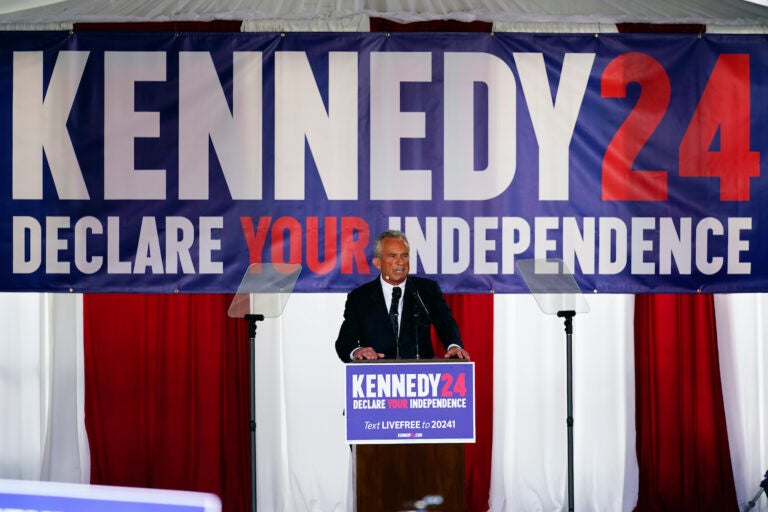
The summit featured prominent government figures including Health Secretary Robert F. Kennedy Jr and Vice-President JD Vance, who described the MAHA movement as "a critical part of our success in Washington." The event also drew officials from major corporations including Walmart and Google, as well as biotechnology firms such as Regeneron Pharmaceuticals. This diverse participation demonstrates the movement's rapid evolution from a loose network of Kennedy supporters to a significant political force with corporate backing.

Policy Focus and Institutional Critique
Throughout the nearly eight-hour summit, sessions covered a wide range of health topics including psychedelics, brain implants, and anti-aging therapies. A consistent theme emerged: criticism of established scientific and medical institutions. NIH director Jayanta Bhattacharya, speaking at the event, argued that the NIH has focused too heavily on incremental research rather than "disruptive" or "innovative" approaches. FDA chief Marty Makary similarly decried "groupthink that again and again led us astray," citing public health recommendations against saturated fats as an example of past errors.
Movement Philosophy and Approach
The MAHA movement positions itself as addressing what supporters call a chronic-disease epidemic in the United States. Supporters attribute this epidemic partly to corruption in the food and pharmaceutical industries. The movement advocates for lifestyle-based solutions including improved sleep habits, dietary supplements, and alternative approaches to conventional medicine. This philosophy represents a significant departure from traditional public health strategies that have dominated US policy for decades.
The summit's composition—featuring mixed-martial-arts promoter Dana White, comedian Russell Brand, and anti-aging entrepreneur Bryan Johnson, while excluding academic researchers and clinicians—further underscores the movement's unconventional approach to health policy. As former CDC director Robert Redfield noted at the event, "Bobby [Kennedy] has gotten industry to sit down with him," highlighting the unique coalition building that characterizes this new health policy direction.

The MAHA summit represents more than just a policy conference—it signals a fundamental rethinking of how the United States approaches public health. By bringing together government officials, corporate leaders, and alternative health advocates while excluding traditional medical and scientific voices, the event demonstrates the administration's commitment to challenging established health paradigms. As this movement continues to gain influence, its impact on US health policy and public health outcomes will be closely watched by observers both within and outside the traditional medical establishment.