Read on nature.com
The Critical Link Between Influenza and Cardiovascular Disease: Why Vaccination Is Essential
Influenza is often dismissed as a seasonal nuisance, but compelling scientific evidence reveals a dangerous connection to cardiovascular events like heart attacks and strokes. This article explores how the flu virus triggers a physiological storm that can precipitate cardiac crises, especially in vulnerable individuals. We examine the data showing a sixfold increase in heart attack risk post-infection and how vaccination acts as a proven cardiovascular intervention, reducing serious events by up to 45% in high-risk groups. Understanding this link is crucial for reframing public health messaging and improving persistently low vaccination rates worldwide.
When most people think of influenza, they imagine a few days of fever and body aches before a quick recovery. This perception of flu as a mere seasonal inconvenience is dangerously incomplete. A growing body of scientific evidence reveals a profound and potentially deadly connection between influenza infection and cardiovascular disease. This relationship transforms our understanding of flu from a respiratory illness to a significant cardiovascular risk factor, making vaccination not just a preventive measure against infection but a critical intervention for heart health.
The Physiological Connection: How Flu Triggers Cardiovascular Events
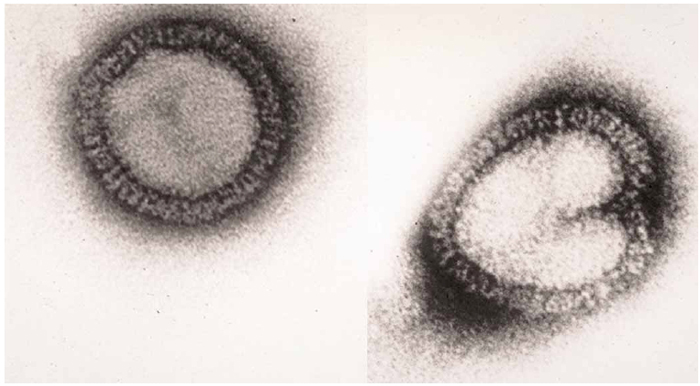
The link between influenza and cardiovascular conditions isn't coincidental but rooted in biological mechanisms. When the influenza virus invades the body, it triggers a powerful systemic inflammatory response that sends the immune system into overdrive. This inflammatory cascade has direct consequences for cardiovascular health. The response activates blood platelets, increasing the risk of blood clot formation that can block coronary arteries. Simultaneously, fever elevates heart rate and myocardial oxygen demand, while dehydration from illness adds further strain to an already stressed cardiovascular system.
This creates what clinicians describe as a "physiological storm" that can tip vulnerable individuals—particularly those with existing cardiovascular conditions—into acute crisis. The strain is especially dangerous during winter months when both flu infections and cardiovascular events naturally peak, creating a perfect storm for cardiac emergencies that often go unrecognized as flu-related complications.
The Compelling Evidence: Data That Demands Attention
Research findings on the flu-cardiovascular connection are both consistent and alarming. A landmark 2018 study published in the New England Journal of Medicine found that the risk of experiencing a heart attack jumps sixfold in the week following a confirmed influenza infection. This dramatic increase underscores the acute danger period immediately after infection when cardiovascular systems are most vulnerable.
Further evidence comes from a comprehensive study involving more than 80,000 adults hospitalized with influenza, which revealed that nearly one in eight experienced an acute cardiovascular event during their hospitalization. Perhaps most sobering is a 2023 global estimate suggesting that approximately 4% of heart-attack deaths among adults aged 50 and over can be attributed to influenza infections. This translates to roughly 300,000 preventable deaths worldwide through effective flu prevention strategies.
Vaccination as Cardiovascular Protection
The most compelling argument for influenza vaccination comes from its demonstrated cardiovascular benefits. Research shows that flu vaccination significantly reduces the risk of heart attacks, strokes, and cardiovascular mortality, particularly in high-risk individuals. A study involving approximately 9,000 adults found that those who received the flu vaccine were 34% less likely to experience serious cardiovascular events in the following year compared to unvaccinated individuals.
For people with recent cardiac issues, the protective benefits were even more pronounced, with vaccinated individuals experiencing a 45% lower risk of serious cardiovascular events. These findings fundamentally change how we should frame flu vaccination—not merely as protection against respiratory illness but as a proven cardiovascular intervention that should be integrated into standard cardiac care protocols.
Clinical Implications and Public Health Messaging
This evidence requires a fundamental shift in how healthcare professionals approach both influenza prevention and cardiovascular care. Clinicians should explicitly highlight the cardiovascular consequences of influenza during patient consultations, particularly when discussing prevention strategies with individuals at elevated cardiac risk. For people with heart disease, the flu vaccine should be presented as a clinical necessity rather than an optional preventive measure.
Public health messaging must evolve to accurately reflect vaccination's dual benefits. By framing the flu shot as a tool to prevent heart attacks and strokes, health authorities can address one of the persistent barriers to vaccination—the perception that it's only necessary for preventing respiratory symptoms. This reframing is especially urgent given current challenges to vaccine confidence and the need to improve persistently low vaccination rates worldwide.

Moving Forward: Integrating Prevention Strategies
The connection between influenza and cardiovascular disease demonstrates the false dichotomy between infectious and chronic disease management. These health challenges are deeply interconnected, and effective public health strategy requires addressing them as such. Healthcare systems must reject the notion that one must be prioritized over the other and instead develop integrated approaches that recognize their mutual influence.
Practical steps include routine influenza testing for patients presenting with cardiovascular events during flu season, incorporating vaccination status into cardiac risk assessments, and developing coordinated messaging between cardiology and infectious disease specialists. By bridging these traditionally separate domains, healthcare providers can offer more comprehensive protection for vulnerable populations.
Ultimately, understanding influenza's role in cardiovascular events transforms our approach to seasonal prevention. The flu vaccine emerges not as an optional precaution but as essential cardiovascular protection—a clinical intervention that saves lives by preventing both infection and its cardiac consequences. This perspective is crucial for improving vaccination rates and reducing the substantial burden of preventable cardiovascular mortality worldwide.