Nanodots: The Metal-Based Particles Selectively Killing Cancer Cells
Researchers from RMIT University have developed a novel cancer treatment approach using engineered metal-based nanodots that selectively destroy cancer cells while largely sparing healthy ones. These molybdenum oxide particles work by increasing oxidative stress within cancer cells to trigger their natural self-destruction process. Laboratory tests show promising selectivity, with cancer cells being eliminated at three times the rate of healthy cells. While still in early development, this technology represents a potential pathway toward more precise and gentler cancer therapies that could reduce the harmful side effects associated with current treatments.
Cancer treatment has long faced a fundamental challenge: how to eliminate malignant cells without causing significant damage to healthy tissue. Traditional therapies like chemotherapy and radiation often come with severe side effects because they lack sufficient selectivity. Now, researchers from RMIT University and international collaborators have developed a promising new approach using engineered metal-based particles called nanodots that show remarkable ability to target cancer cells specifically while leaving healthy cells largely unharmed.

The Science Behind Selective Cancer Cell Destruction
The nanodots are created from molybdenum oxide, a compound derived from the rare metal molybdenum commonly used in electronics and industrial applications. What makes these particles unique is their carefully engineered chemical structure. According to lead researcher Professor Jian Zhen Ou and Dr. Baoyue Zhang from RMIT's School of Engineering, precise modifications to the particles' composition cause them to release reactive oxygen molecules selectively within cancer cells.
"Cancer cells already live under higher stress than healthy ones," explains Dr. Zhang. "Our particles push that stress a little further—enough to trigger self-destruction in cancer cells, while healthy cells cope just fine." This approach takes advantage of a fundamental vulnerability in cancer cells: their already elevated stress levels make them more susceptible to additional oxidative pressure that can push them over the edge into programmed cell death.
Laboratory Results and Selectivity
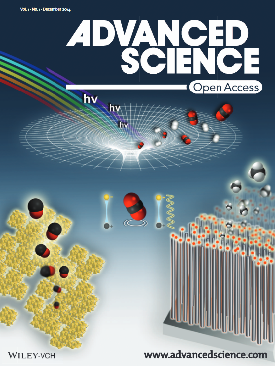
In laboratory experiments detailed in the study published in Advanced Science, the nanodots demonstrated significant selectivity. Over a 24-hour period, the particles killed cervical cancer cells at three times the rate observed in healthy cells. Notably, this effect occurred without requiring light activation, which distinguishes this technology from many similar approaches that depend on photodynamic therapy.
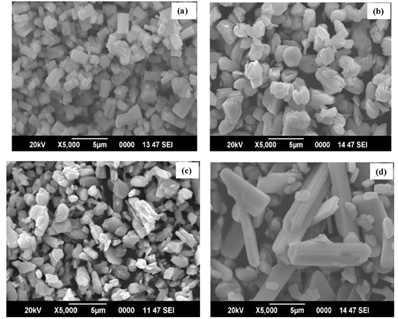
The researchers achieved this selective effect through precise chemical tuning. By adding minute amounts of hydrogen and ammonium to the molybdenum oxide, they altered how the particles manage electrons, enabling them to produce higher levels of reactive oxygen molecules specifically within cancer cell environments. These reactive oxygen species then push cancer cells into apoptosis—the body's natural, controlled process for removing damaged or malfunctioning cells.
Potential Advantages Over Current Treatments
This technology offers several potential advantages that could make it a valuable addition to the cancer treatment arsenal. First, the selective nature of the approach could significantly reduce the harmful side effects that plague current cancer therapies. Many existing treatments damage healthy tissue along with tumors, leading to complications that can compromise patient quality of life and treatment outcomes.
Second, the nanodots are made from a widely available metal oxide rather than costly or potentially toxic noble metals like gold or silver. This could make them more affordable to manufacture and potentially safer for clinical use. The particles also demonstrated impressive chemical activity in separate experiments, breaking down a blue dye by 90 percent in just 20 minutes even in complete darkness, highlighting their potent reactive capabilities.
Research Collaboration and Next Steps
The development of these nanodots represents an international collaborative effort. Researchers from multiple institutions contributed to the work, including scientists from The Florey Institute of Neuroscience and Mental Health in Melbourne, Southeast University, Hong Kong Baptist University, and Xidian University in China. The research was supported by the ARC Centre of Excellence in Optical Microcombs (COMBS).
While the laboratory results are promising, the researchers emphasize that this technology is still in its early stages. The work has only been tested in laboratory-grown cells and has not yet been studied in animal models or humans. The COMBS research team at RMIT is continuing to advance the technology with several planned next steps.
Future Development Pathways
The research team is focusing on several key areas to move this technology toward potential clinical application. They are developing targeted delivery systems that would ensure the particles activate only inside tumors, further enhancing their selectivity and safety profile. Additionally, they are working on methods to control the release of reactive oxygen species to prevent any potential damage to healthy tissue.
The researchers are also seeking partnerships with biotech and pharmaceutical companies to test the particles in animal models and develop scalable manufacturing methods. Organizations interested in collaborating with RMIT researchers can contact their research partnerships office to explore potential development pathways for this promising technology.
Broader Implications for Cancer Treatment
This research represents more than just another potential cancer treatment—it exemplifies a shift in approach toward therapies that work with biological systems rather than simply attacking them. By exploiting vulnerabilities already present in cancer cells, this strategy aligns with the growing trend in precision medicine that seeks to develop treatments tailored to specific biological contexts.
The development of these nanodots opens new possibilities for combination therapies as well. Future research might explore how these particles could work alongside existing treatments to enhance their effectiveness while reducing side effects. The selective stress-inducing mechanism might also prove useful against other conditions characterized by cellular stress imbalances.
As cancer treatment continues to evolve toward more targeted approaches, technologies like these molybdenum oxide nanodots offer hope for developing therapies that are not only more effective but also gentler on patients. While significant development work remains before this technology could reach clinical use, the fundamental approach—using engineered particles to selectively increase stress in cancer cells—represents a promising direction in the ongoing fight against cancer.