Read on nature.com
New Blood Test Study Reveals Surprising Alzheimer's Prevalence Rates
A groundbreaking study using blood-based biomarkers has provided new insights into the prevalence of Alzheimer's disease. By analyzing pTau217 levels in over 11,000 Norwegians, researchers found that approximately 10% of individuals over age 70 have Alzheimer's disease dementia. The research, published in Nature, revealed unexpected patterns, including higher-than-anticipated rates in the oldest age groups and significant variations from previous estimates based on different methodologies.
Alzheimer's disease represents one of the most significant public health challenges of our time, affecting millions worldwide. A groundbreaking new study published in Nature has utilized innovative blood-based testing to provide unprecedented insights into the true prevalence of this neurodegenerative condition. By combining biomarker analysis with clinical assessments in a large Norwegian population, researchers have uncovered surprising patterns that challenge previous epidemiological estimates and highlight the potential of new diagnostic approaches.

Study Methodology and Key Findings
The research team conducted their investigation using data from the Trøndelag Health (HUNT) study, a comprehensive prospective research project that has collected health information and biological samples from 250,000 Norwegians since 1984. For this specific analysis, researchers examined blood samples from 11,486 participants aged 58 and older, focusing on levels of phosphorylated tau protein at a specific site known as pTau217. This biomarker serves as a reliable proxy for amyloid plaque accumulation in the brain, a hallmark characteristic of Alzheimer's pathology.
By correlating pTau217 levels with cognitive assessments conducted on participants over age 70, the study revealed several important findings. Approximately 10% of individuals in this age group exhibited both cognitive impairment and elevated pTau217 levels, indicating Alzheimer's disease dementia. Another 10% showed mild cognitive impairment alongside high biomarker levels, while an additional 10% had elevated pTau217 without cognitive symptoms—a condition the researchers classified as preclinical Alzheimer's disease.
Surprising Demographic Patterns
The study uncovered unexpected patterns that differed significantly from previous epidemiological estimates. Most notably, researchers found that 25% of individuals aged 85–89 had both dementia and Alzheimer's pathology, a substantial increase from earlier estimates of approximately 7% for men and 13% for women in this age group among Western European populations. This finding suggests that Alzheimer's prevalence in the oldest age groups may be considerably higher than previously recognized.
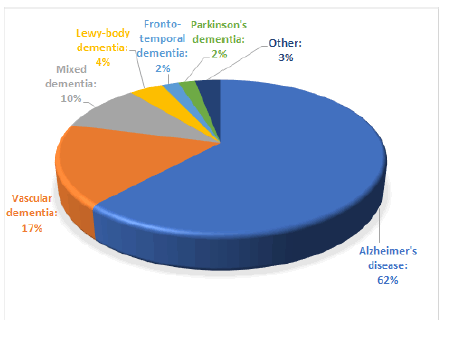
Conversely, the study revealed lower-than-expected rates of preclinical Alzheimer's in younger individuals. Only 8% of participants aged 70–74 showed elevated pTau217 without cognitive symptoms, compared to previous estimates of approximately 22%. These discrepancies likely reflect methodological differences between studies, particularly selection bias in earlier research that relied on brain scans requiring participant recruitment—a process that may have excluded individuals with more advanced dementia who were unable or unwilling to participate.
Implications for Alzheimer's Research and Diagnosis
The study demonstrates the significant potential of blood-based biomarkers for improving epidemiological understanding of Alzheimer's disease. As noted by Nicolas Villain, a neurologist at Sorbonne University in Paris who was not involved in the research, "This is very important work from a beautiful Norwegian study. The study shows that blood-based tools can improve epidemiological estimates of neurodegenerative disease."
However, researchers caution against premature widespread implementation of these tests as screening tools. Jason Karlawish, a geriatrician and co-director of the Penn Memory Center in Philadelphia, warns that "It is the kind of test that, in the wrong hands, could cause a lot of harm." The appropriate application of these biomarkers requires careful consideration of clinical context and interpretation thresholds, as different pTau217 cutoff levels can significantly impact prevalence estimates.
Educational Disparities and Future Directions
An additional important finding from the study relates to educational disparities in Alzheimer's pathology. Researchers discovered that individuals with lower education levels tended to have higher pTau217 levels, suggesting potential socioeconomic factors in disease development or detection. This finding aligns with broader research on cognitive reserve and the protective effects of education against dementia symptoms.

The study's authors emphasize that their findings represent an important step forward in understanding Alzheimer's epidemiology but also highlight areas requiring further investigation. The discrepancies between their results and previous estimates underscore the importance of methodological considerations in prevalence studies and the need for continued research using diverse populations and approaches.
As blood-based biomarkers for Alzheimer's continue to evolve and gain regulatory approval, their role in both clinical practice and epidemiological research will likely expand. This Norwegian study provides valuable evidence supporting their utility while also demonstrating the complexity of interpreting biomarker data in population-level analyses of neurodegenerative disease.

.jpg?sfvrsn=e59f647a_0&MaxWidth=600&MaxHeight=325&ScaleUp=false&Quality=High&Method=ResizeFitToAreaArguments&Signature=0F24AEFED6347CB2AE39DD073316E2064A9B4CBC)