CAQK Peptide: A Promising Non-Invasive Treatment for Traumatic Brain Injury
A groundbreaking discovery in neurology offers new hope for treating traumatic brain injury (TBI). Researchers have identified a four-amino acid peptide called CAQK that, when delivered intravenously, specifically targets injured brain tissue, reduces inflammation and cell death, and improves functional recovery in animal models. Published in EMBO Molecular Medicine, this research from Aivocode and the Spanish National Research Council demonstrates the peptide's effectiveness in both mice and pigs, whose brain structures are closer to humans. With no approved drugs currently available to stop the cascade of brain damage following trauma, CAQK represents a significant step toward the first non-invasive therapeutic for TBI, with researchers now preparing for early human clinical trials.
Traumatic brain injury (TBI) represents a major global health challenge, affecting an estimated 200 people per 100,000 each year through incidents like traffic accidents, falls, and workplace injuries. Current medical interventions focus primarily on patient stabilization—managing intracranial pressure and maintaining blood flow—but critically lack any approved pharmaceutical treatments to halt the damaging biological cascade of inflammation and cell death that follows the initial trauma. This therapeutic gap leaves millions of patients worldwide with limited recovery options and significant long-term disability. However, a recent scientific breakthrough offers a promising new direction. Researchers have discovered that a remarkably simple compound, a peptide consisting of just four amino acids called CAQK, can protect the brain after injury when administered through a standard intravenous (IV) line.

The Discovery and Mechanism of CAQK
The CAQK peptide was identified through advanced screening techniques, specifically peptide-phage display, which allows scientists to find molecules that bind to specific tissues. This research, led by the company Aivocode in collaboration with the Institute for Advanced Chemistry of Catalonia (IQAC) of the Spanish National Research Council (CSIC) and the University of California, Davis, builds upon foundational work published in 2016. Initially, CAQK was characterized as a "homing" vehicle capable of delivering other therapeutic agents directly to injured brain regions. The latest study, published in EMBO Molecular Medicine, reveals a more profound finding: CAQK itself possesses intrinsic therapeutic properties.
The peptide's power lies in its targeted action. Following a traumatic brain injury, certain glycoproteins—proteins attached to sugars—become abnormally abundant in the damaged extracellular matrix, the supportive structure surrounding brain cells. CAQK is uniquely attracted to these injury-specific proteins. When administered intravenously soon after trauma, the peptide travels through the bloodstream and accumulates precisely where the brain is injured, bypassing healthy tissue. This targeted delivery is a key advantage over broader, systemic treatments that can cause unwanted side effects.

Neuroprotective Effects Demonstrated in Animal Models
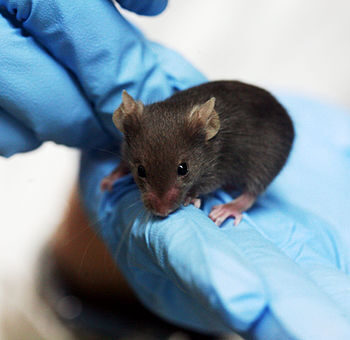
The therapeutic potential of CAQK has been rigorously tested in animal models, a critical step before human trials. In studies involving mice with moderate to severe TBI, intravenous administration of CAQK led to measurable neuroprotection. Researchers observed a significant reduction in the size of brain lesions compared to untreated control animals. At a cellular level, the treatment resulted in less cell death (necrosis) and a lower expression of inflammatory markers in the injured area, indicating that CAQK effectively calms the harmful neuroinflammation that contributes to secondary brain damage.
Perhaps most importantly, these biological improvements translated into better functional outcomes. Mice treated with CAQK showed notable improvement in behavioral and memory tests designed to assess recovery from brain injury. Furthermore, the studies reported no evident toxicity from the peptide, a crucial safety consideration for any prospective drug. To strengthen the translational relevance to humans, the research team also successfully tested CAQK in pigs, whose brain size, structure, and gyral complexity are much closer to humans than those of mice. The peptide demonstrated the same ability to target injured tissue in this larger animal model, bolstering confidence in its potential human applicability.
The Path Forward to Human Clinical Trials
The compelling preclinical data has set the stage for the next phase of development. According to the research team, Aivocode plans to seek permission from the U.S. Food and Drug Administration (FDA) to begin Phase I clinical trials in humans. These initial trials will primarily assess the safety and pharmacokinetics of CAQK in human subjects. The peptide's simple structure works in its favor for this transition; as a short, synthetic peptide, it is relatively easy and cost-effective to manufacture at scale while maintaining high purity and safety standards. Its small size also promotes good tissue penetration and is expected to be non-immunogenic, meaning it is unlikely to provoke a harmful immune response.
Dr. Pablo Scodeller, a researcher at IQAC-CSIC and co-author of the study, emphasized the significance of this approach: "What's exciting is that, in addition to proving highly effective, it's a very simple compound... Peptides with these characteristics show good tissue penetration and are non-immunogenic." The goal is to develop CAQK into the first non-invasive drug specifically designed to stop the progression of damage following a traumatic brain injury, moving beyond mere stabilization to active neuroprotection and repair.

Conclusion: A New Horizon in Brain Injury Treatment
The discovery of CAQK's neuroprotective properties marks a pivotal moment in the quest to treat traumatic brain injury. By offering a targeted, non-invasive, and intrinsically therapeutic option, this peptide addresses the core limitations of current care. While the journey from successful animal studies to an approved human drug is long and requires rigorous clinical validation, the foundational science is robust. The research published in EMBO Molecular Medicine provides a strong rationale for optimism. As preparations for human trials advance, CAQK stands as a beacon of hope for transforming the prognosis for millions of individuals who suffer brain trauma each year, potentially enabling better recovery and improved quality of life.