New Hope for Epilepsy: Clearing Aging Brain Cells Reduces Seizures and Improves Memory
A groundbreaking study from Georgetown University Medical Center reveals a novel link between temporal lobe epilepsy and the premature aging of specific brain cells. By removing these senescent glial cells in mice using repurposed drugs, researchers observed a dramatic 50% reduction in seizures, restored memory function, and complete protection from epilepsy in one-third of the animals. This research, published in Annals of Neurology, offers a promising new therapeutic avenue for the significant portion of epilepsy patients who do not respond to existing medications, potentially accelerating the path to human clinical trials.
Epilepsy, a neurological disorder characterized by recurrent seizures, affects millions worldwide, with temporal lobe epilepsy (TLE) being the most common form that is resistant to medication. For the one-third of patients who find no relief from current drugs, the search for new treatments is urgent. A pioneering study led by researchers at Georgetown University Medical Center has uncovered a surprising biological culprit behind TLE: the premature aging of supportive brain cells. Published in Annals of Neurology, the research demonstrates that clearing these aging cells can dramatically reduce seizures and restore cognitive function, opening a promising new frontier in epilepsy therapy.
The Discovery: Senescent Cells in the Epileptic Brain
The research team began by examining human brain tissue surgically removed from patients with drug-resistant TLE. When compared to brain tissue from individuals without epilepsy, they found a startling five-fold increase in senescent glial cells. Glial cells are the brain's support network, crucial for maintaining neuronal health and function, though they do not generate electrical signals themselves. This accumulation of aged, dysfunctional cells appears to be a hallmark of the epileptic brain, disrupting the delicate neural environment and potentially contributing to seizure activity and memory problems.
From Mice to Medicine: A Powerful Therapeutic Effect
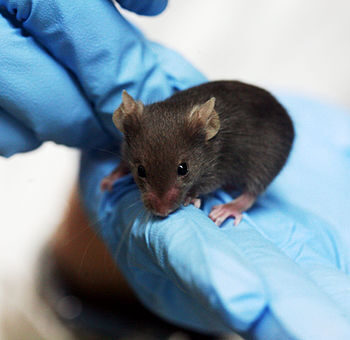
To test whether these aging cells were a cause or merely a consequence of epilepsy, the scientists turned to a mouse model of TLE. They confirmed that after a brain injury designed to trigger epilepsy, markers of cellular senescence surged. The critical experiment involved removing these senescent cells using both genetic techniques and a drug-based approach known as senotherapy. The results were striking. The treatment reduced the number of aging cells by approximately 50%. More importantly, the mice experienced fewer seizures, performed normally on memory tests, and about one-third were entirely protected from developing epilepsy after the initial injury.
The Treatment: Repurposing Known Drugs for Faster Translation
A key advantage of this new approach is the specific drug combination used: dasatinib and quercetin. Dasatinib is an FDA-approved targeted therapy for leukemia, and quercetin is a natural flavonoid found in many fruits and vegetables. As senior author Patrick A. Forcelli, Ph.D. notes, this combination is already being evaluated in clinical trials for other conditions, and dasatinib's established safety profile could significantly accelerate the path to testing in people with epilepsy. This strategy of drug repurposing bypasses many early-stage development hurdles, offering hope for a quicker transition from lab to clinic.
Broader Implications and Future Directions
The implications of this research extend beyond epilepsy. Cellular senescence in glial cells has also been linked to normal brain aging and neurodegenerative diseases like Alzheimer's. This connection suggests that senotherapy could have wide-ranging benefits for brain health. The Georgetown team is now exploring other repurposed drugs and investigating the critical time windows for intervention in epilepsy. The ultimate goal, as stated by the researchers, is to develop clinically useful treatments that minimize the need for invasive brain surgery and improve outcomes for the many patients currently living with uncontrolled seizures.
In conclusion, this study represents a paradigm shift in understanding and potentially treating temporal lobe epilepsy. By identifying and targeting senescent brain cells, researchers have unveiled a novel therapeutic strategy with profound effects on seizures and memory. The use of repurposed drugs with known safety profiles makes this discovery particularly translational, offering tangible hope for the significant population of patients for whom existing medications have failed. As this research progresses, it may not only change the landscape of epilepsy care but also illuminate new pathways for addressing broader challenges in brain aging and neurological disease.