Read on France 24
US Air Strikes Target ISIS Fighters Infiltrating Nigeria from Sahel
The Nigerian government has confirmed that US-backed air strikes targeted Islamic State group fighters attempting to enter Nigeria from the Sahel region. The operation, carried out on Thursday at Nigeria's request, utilized precision munitions against camps in Sokoto State. President Donald Trump announced the strikes, citing the group's targeting of Christians in the region. This joint action marks a significant development in security cooperation between Abuja and Washington as Islamist violence spreads southward.
The security landscape in West Africa witnessed a significant development as US-backed air strikes targeted Islamic State group fighters attempting to infiltrate Nigeria from the volatile Sahel region. The operation, conducted at the formal request of the Nigerian government, represents a notable escalation in international counter-terrorism cooperation in the region. This article examines the details of the strikes, the strategic implications for regional security, and the context of Nigeria's long-standing battle against Islamist insurgency.

Details of the Military Operation
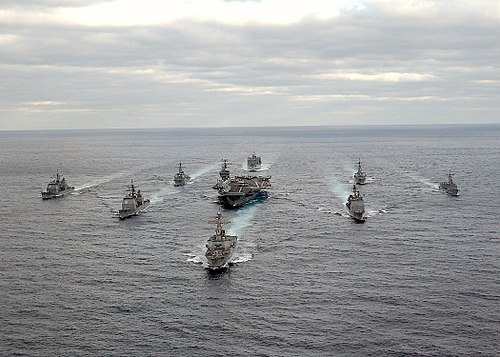
According to an official statement from Nigeria's information ministry, the air strikes were executed on Thursday, targeting two camps linked to the Islamic State (ISIS) in the Bauni forest of Sokoto State. The operation was approved by Nigerian President Bola Tinubu and launched from maritime platforms stationed in the Gulf of Guinea. The planning involved extensive intelligence gathering, operational planning, and reconnaissance to ensure precision.
Execution and Results
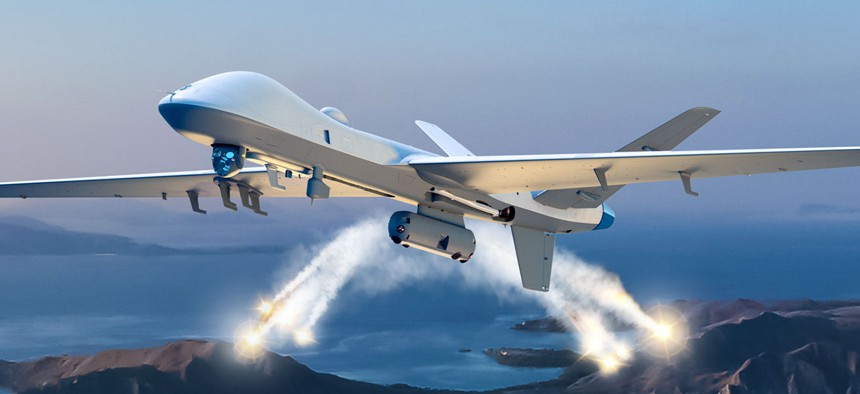
The Nigerian government detailed that the strikes deployed "a total of 16 GPS-guided precision munitions" using MQ-9 Reaper unmanned aerial platforms. The objective was to neutralize ISIS elements attempting to penetrate Nigeria from the Sahel corridor. Intelligence indicated these camps were being used by foreign Islamic State fighters collaborating with local affiliates to plan large-scale attacks within Nigeria. Officials reported no civilian casualties, although debris from the operation fell in two towns in Sokoto and neighboring Kwara states.
Political Announcements and Justifications
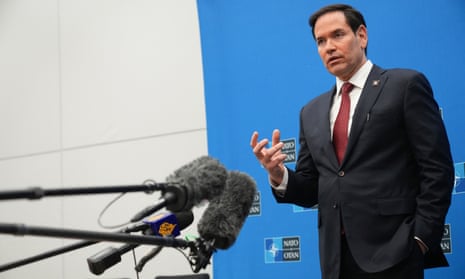
US President Donald Trump announced the operation on his social media platform, Truth Social, confirming the strikes were conducted at the request of Nigeria's government. He stated the militant group had been specifically targeting Christians in the region and described the operation as "numerous perfect strikes," adding a warning that there would be "more to come." This public announcement underscores the US administration's stance on the threat.
Nigerian Government's Stance
The Sokoto State authorities confirmed the strikes and urged residents to remain calm, asserting that "the ongoing operations are geared towards securing the state and ensuring the protection of lives and property." The federal government reiterated its "full commitment to the protection of lives and property" and vowed to take further action against transnational extremist networks operating in the region.
Strategic and Regional Security Implications
This operation marks a rare instance of joint military action between Abuja and Washington, highlighting a growing security partnership. It occurs against the backdrop of Islamist violence spreading south from the central Sahel countries into coastal West African nations. The presence of foreign ISIS fighters attempting to establish footholds in Nigeria signals an escalation in the transnational nature of the threat, moving beyond the domestic insurgency of Boko Haram and its factions.

Context of Nigeria's Insurgency
Nigeria has been battling Islamist insurgents for over a decade, primarily in its northeast. The conflict has been dominated by Boko Haram and the Islamic State West Africa Province (ISWAP). The targeting of foreign ISIS elements in the northwest suggests a worrying expansion of the conflict zone and the attempted merger of local militancy with international jihadist networks based in the Sahel. This development poses a complex challenge for Nigerian security forces already stretched across multiple fronts.
Conclusion
The US-backed air strikes in Sokoto State represent a proactive measure against a converging security threat. By targeting foreign ISIS fighters at the point of infiltration, Nigeria and its international partner aim to disrupt attack planning and prevent the further entrenchment of transnational terrorist networks. The success of this operation, measured by the reported neutralization of targets without civilian loss, sets a precedent for future cooperation. However, it also underscores the persistent and evolving nature of extremist violence in West Africa, demanding sustained intelligence-sharing, regional collaboration, and comprehensive security strategies to ensure long-term stability.