Read on the Guardian
US Pacific Strike and Venezuela Blockade: Escalating Tensions Under Trump
The US military's lethal strike on an alleged drug-trafficking vessel in the eastern Pacific, resulting in four fatalities, marks a significant escalation in regional tensions. This action, announced by Defense Secretary Pete Hegseth, comes just one day after former President Donald Trump ordered a total blockade of all sanctioned oil tankers entering and leaving Venezuela. The dual moves intensify pressure on the Maduro government, with Trump explicitly accusing Venezuela of seizing US oil assets and using petroleum revenues to fund illicit activities. This analysis examines the strategic implications, international reactions, and the underlying economic motivations driving this aggressive foreign policy posture.
The United States has significantly escalated its military and economic pressure on Venezuela through two consecutive, high-stakes actions. First, a lethal military strike targeted an alleged narcotics vessel in the eastern Pacific Ocean. Second, a comprehensive naval blockade was imposed on Venezuela's oil exports. These moves, occurring within 24 hours of each other, signal a hardening US stance and have profound implications for regional security, international law, and global energy markets.
The Pacific Strike: Tactics and Toll
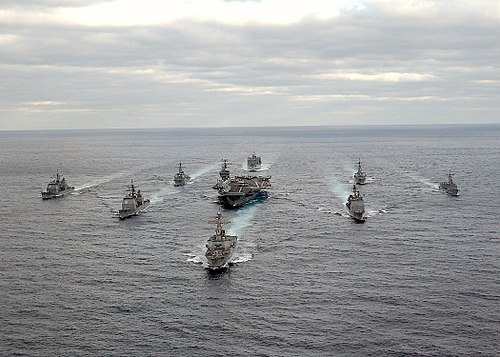
On Wednesday, US Defense Secretary Pete Hegseth confirmed a "lethal kinetic strike" against a vessel engaged in what the US military described as "narco-trafficking operations" in the eastern Pacific. The operation resulted in four fatalities. This incident is not isolated; it is part of a broader campaign initiated in September against boats allegedly involved in drug trafficking. According to reporting from The Guardian, this latest action brings the total death toll from this US campaign to 99 individuals. The strategic shift towards preemptive and lethal strikes in international waters represents a marked intensification of the so-called "war on drugs," moving beyond interdiction to targeted elimination.
The Venezuelan Oil Blockade: Economic Warfare
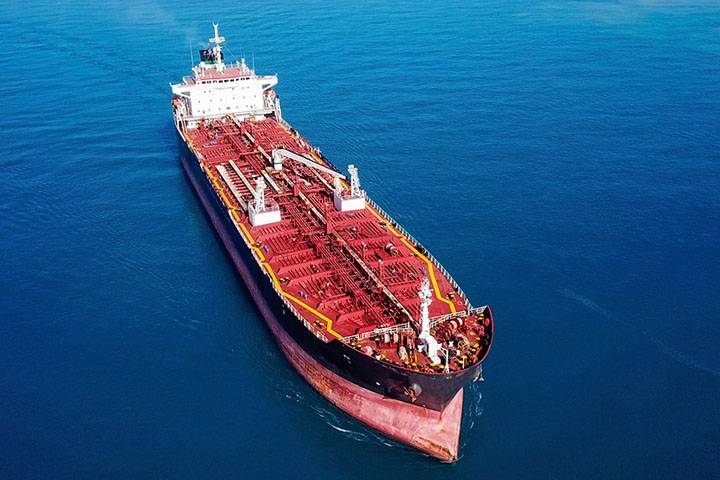
The military strike was immediately preceded by a major economic declaration. The Trump administration announced a total blockade of all sanctioned oil tankers attempting to enter or leave Venezuelan ports. This decision effectively seeks to strangle the primary revenue stream of the Venezuelan state, which possesses the world's largest proven oil reserves. President Trump framed the action as a response to Venezuela's alleged use of oil profits to fund drug trafficking and other criminal enterprises. However, he also explicitly tied it to historical grievances, stating, "You remember they took all of our energy rights. They took all of our oil not that long ago. And we want it back. They took it – they illegally took it," referencing the nationalization of US oil company assets under former President Hugo Chávez.
International Reactions and Diplomatic Fallout
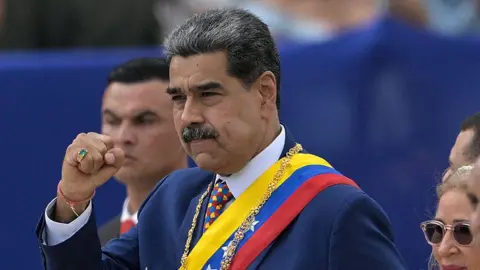
The US actions have triggered swift international responses. Venezuela's state oil company, PDVSA, defiantly asserted that export operations continue "normally," attempting to project business-as-usual despite the threat. President Nicolás Maduro held urgent talks with UN Secretary-General António Guterres, discussing the "escalation of threats" from Washington. China, a crucial buyer of Venezuelan crude, offered diplomatic support, with its foreign minister opposing "unilateral bullying" and affirming support for national sovereignty. Regionally, Mexican President Claudia Sheinbaum criticized the UN's perceived inaction and called for it to intervene to "prevent any bloodshed." Domestically, House Democrats, led by Gregory Meeks, argued the aggression was motivated by a desire to control Venezuelan oil, but their resolutions to require congressional authorization for further attacks were rejected by Republicans.
Strategic Motivations and Broader Context
Analyzing the twin announcements reveals a multifaceted strategy. Officially, the administration cites counter-narcotics as the core justification. The blockade is presented as a measure to cut off a key funding source for cartels. Yet, the comments from Trump and his aides suggest deeper economic and geopolitical aims. The reference to reclaiming "our oil" points to unresolved disputes over nationalized assets. Furthermore, reporting indicates that Trump's chief of staff, Susie Wiles, confirmed the campaign is part of an effort to oust Maduro, linking drug policy directly to regime change objectives. This conflation of issues—narco-trafficking, oil politics, and regime change—creates a complex and volatile situation with significant risks of miscalculation and escalation.
Conclusion: A Precarious Path Forward
The lethal strike in the Pacific and the oil blockade against Venezuela represent a dangerous new phase in US-Latin American relations. By combining military force with severe economic coercion, the US is applying maximum pressure on the Maduro government. While the stated goal is disrupting drug flows, the underlying drivers appear to be a mix of economic reclamation, energy competition, and political opposition. The international community is divided, with key nations like China backing Caracas and regional voices expressing alarm. The success of this high-risk strategy is uncertain, but its immediate consequences are clear: heightened tensions, increased humanitarian strain on Venezuela, and a testing of international legal norms regarding blockades and military engagements in international waters. The coming weeks will be critical in determining whether this pressure forces a political resolution or leads to further, potentially more direct, confrontation.