Syrian Government Deploys Troops to Coastal Cities After Deadly Alawite Protests
The Syrian government has deployed army units with tanks and armored vehicles to the coastal cities of Latakia and Tartous following deadly clashes during Alawite minority protests. At least four people were killed and 108 injured in the violence, which erupted as thousands of Alawites demonstrated against discrimination and violence following a mosque bombing in Homs. The deployment represents a significant challenge to President Ahmed al-Sharaa's fledgling government as it attempts to stabilize Syria after 14 years of civil war.
The Syrian government's deployment of military forces to the coastal cities of Latakia and Tartous marks a critical moment in the nation's fragile post-civil war transition. This military intervention comes in response to deadly clashes during protests by the Alawite religious minority, highlighting the persistent sectarian tensions and security challenges facing President Ahmed al-Sharaa's administration. The situation underscores the complex balancing act required to maintain stability while addressing legitimate grievances from Syria's diverse communities.
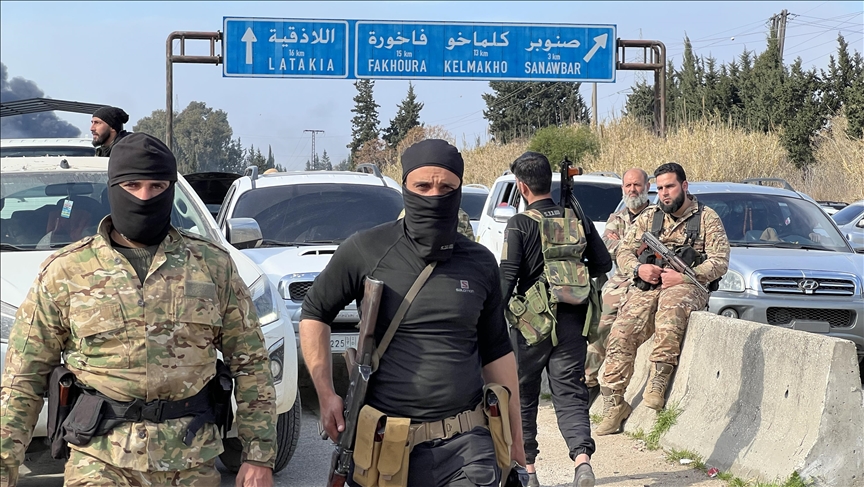
Military Deployment and Government Response
Syria's Ministry of Defence announced on December 29, 2025, that army units equipped with tanks and armored vehicles had entered the centers of Latakia and Tartous. According to official statements reported by Al Jazeera, this deployment was a direct response to attacks by "outlaw groups" against both civilians and security forces. The government's stated mission is to restore stability in these strategically important coastal cities, which have traditionally been strongholds of the Alawite community.
The Syrian state news agency SANA provided additional details, reporting that the violence was initiated by "remnants of the defunct regime" of former President Bashar al-Assad during protests in Latakia. This framing suggests the current government views the unrest as connected to loyalists of the previous administration rather than purely spontaneous civilian protest. The Ministry of Interior confirmed that a police officer was among those killed in the clashes, indicating the severity of the security situation.
Alawite Protests and Underlying Grievances
The military deployment followed large-scale protests by Syria's Alawite minority, who constitute approximately 12% of the population and have historically held significant political power, particularly under the al-Assad regime. Thousands of Alawites took to the streets across their heartland in central and coastal Syria on Sunday, December 29, 2025, protesting against what they perceive as ongoing violence and discrimination against their community.
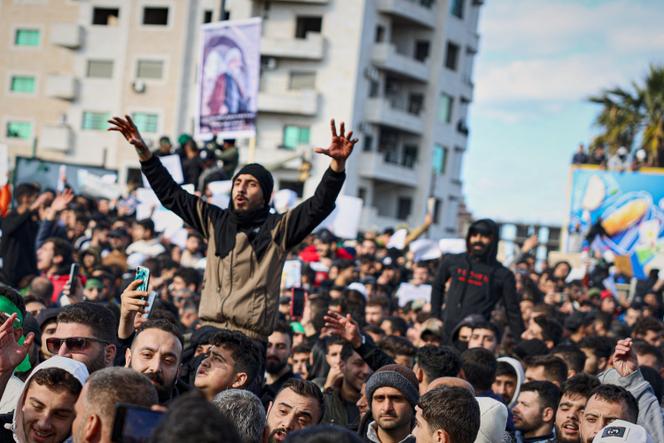
The protests were organized in response to a deadly bombing at an Alawite mosque in Homs on Friday, December 27, which killed eight people and was claimed by a Sunni group known as Saraya Ansar al-Sunna. This attack represented the latest in a series of violent incidents targeting the Alawite community since the fall of the al-Assad regime. Ghazal Ghazal, an Alawite spiritual leader living outside Syria, issued the call to protest, urging community members to "show the world that the Alawite community cannot be humiliated or marginalised."
Beyond immediate security concerns, protesters articulated specific political demands, most notably calling for the implementation of federalism—a system that would decentralize power from Damascus and grant greater autonomy to minority regions. Ali Hassan, one of the anti-government protesters, expressed the community's frustration: "We just want to sleep in peace and work in peace, and we want federalism. If this situation continues like this, then we want federalism. Why is it that every day or every other day, 10 of us are killed?"
Violence and Casualties
The protests turned violent as demonstrators clashed with pro-government counterprotesters and security forces. According to SANA reports, dozens of people were wounded by "stabbings, blows from stones, and gunfire targeting both security personnel and civilians." An Al Jazeera team on the ground confirmed that gunfire was directed at Syrian security forces at the Azhari roundabout in Latakia, while two security personnel were wounded in Tartous after unknown assailants threw a hand grenade at the al-Anaza police station in Baniyas.
The death toll from the clashes reached at least four people, with 108 injured, according to initial reports. The violence appears to have escalated when masked gunmen opened fire on security personnel, though the identity and affiliation of these attackers remains unclear. The presence of both anti-government protesters and pro-government demonstrators created a volatile environment that security forces struggled to control.
Political Context and Government Challenges
This latest turmoil presents a significant challenge to President Ahmed al-Sharaa's government, which has been working to stabilize Syria and reintegrate the country internationally after 14 years of devastating civil war. The government faces the difficult task of maintaining security while addressing legitimate minority grievances and preventing a return to widespread sectarian violence.

Pro-government voices have framed the protests as attempts to undermine national unity. Mohammad Bakkour, a counterprotester, expressed support for the government while criticizing the Alawite demonstrators: "We are here to support our new government, which from the very first day of liberation called for peace and for granting amnesty to criminals. The entire people are calling for one people and one homeland, but they do not want one people or one homeland—they want sectarianism, chaos, problems, and federalism for their personal interests."
The government's decision to deploy military forces rather than relying solely on police represents a significant escalation in its response to civil unrest. This approach reflects concerns about the potential for the protests to escalate into broader instability, particularly given Syria's recent history of civil conflict and the complex web of regional and international interests in the country.
Regional and International Implications
The situation in Latakia and Tartous has implications beyond Syria's borders. The coastal region is strategically important, containing Syria's main commercial ports and serving as a gateway to the Mediterranean. Any sustained instability in this area could impact regional trade and security dynamics. Additionally, the Alawite community's demands for federalism touch on broader questions about Syria's political structure and the balance between central authority and regional autonomy.
International observers will be closely monitoring the government's handling of the situation, particularly regarding human rights and proportional use of force. The deployment comes at a time when Syria is attempting to rebuild diplomatic and economic relationships with regional and international partners after years of isolation during the civil war.
Path Forward and Conclusion
The Syrian government faces critical decisions in responding to both the immediate security challenge and the underlying political grievances driving the protests. A purely military response risks further alienating the Alawite community and potentially fueling more violence, while failing to address security concerns could embolden extremist elements and undermine public confidence in the government's ability to maintain order.
The most sustainable path forward likely involves a combination of security measures to protect all communities from violence and political dialogue to address legitimate grievances. This might include considering forms of administrative decentralization that address minority concerns while maintaining national unity. The government's ability to navigate these complex challenges will significantly impact Syria's prospects for lasting stability and recovery after years of conflict.
As Syria continues its difficult transition from civil war to peacetime governance, incidents like the Latakia and Tartous protests serve as reminders of the deep-seated sectarian and political divisions that must be addressed for genuine national reconciliation. The government's response in the coming days and weeks will provide important indicators of whether Syria can move beyond its violent past toward a more inclusive and stable future.