Read on PBS News
Syria Mosque Bombing: Investigation Launched After Attack Kills Eight
A bombing at the Imam Ali ibn Abi Talib Mosque in Homs, Syria, during Friday prayers has resulted in at least eight fatalities and eighteen injuries. Syrian authorities have initiated a formal investigation, stating that preliminary findings suggest explosive devices were planted inside the mosque. The attack has drawn condemnation from local officials and neighboring countries, highlighting ongoing sectarian tensions and security challenges in the region as the country navigates a fragile post-conflict landscape.
A deadly bombing at a mosque in the Syrian city of Homs has prompted an official investigation by authorities, who are actively searching for the perpetrators. The attack, which occurred during Friday prayers, resulted in significant casualties and damage, underscoring the persistent instability in parts of the country. This article examines the details of the incident, the official response, and the broader context of sectarian tensions in Syria.
The Homs Mosque Bombing Incident
On Friday, December 26, 2025, an explosion rocked the Imam Ali ibn Abi Talib Mosque located in the Wadi al-Dhahab neighborhood of Homs. The area is predominantly inhabited by the Alawite minority. According to reports from Syria's state-run Arab News Agency (SANA), the attack killed at least eight people and wounded eighteen others. Images from the scene depicted a grim aftermath, with bloodstained carpets, structural damage to walls, shattered windows, and signs of fire.

Official Investigation and Response
Syrian authorities have launched a formal investigation into the bombing. A security source cited by SANA indicated that preliminary investigations point to explosive devices having been planted inside the mosque itself. In response, a security cordon was established around the site by the Interior Ministry as forensic work began.
Local and national officials were quick to condemn the violence. Statements framed the attack as a deliberate attempt to undermine security and destabilize the country. The Syrian Ministry of Foreign Affairs reiterated the state's "firm stance in combating terrorism in all its forms and manifestations." Similarly, the Information Minister stated on social media platform X that the goal of such attacks was to obstruct the path of the new state and erode civil peace.
Broader Context of Sectarian Tensions
The bombing did not occur in a vacuum. It comes amid a period of heightened tensions across several regions of Syria. Long-running sectarian, ethnic, and political divisions continue to pose significant challenges to national stability, even as large-scale combat has diminished. The Alawite community, to which former President Bashar Assad belongs, has faced crackdowns and violence since his fall and flight to Russia.
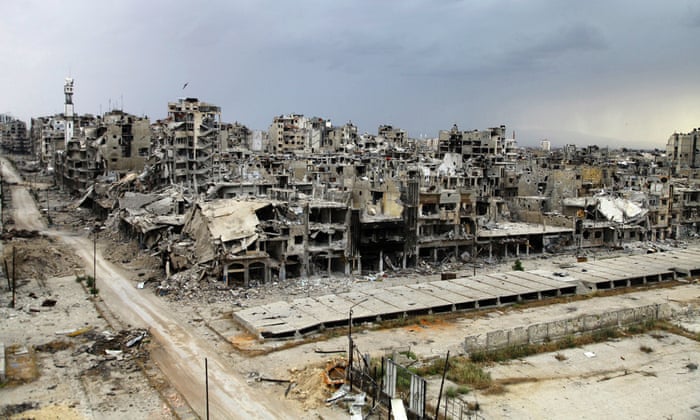
This incident is a stark reminder of the fragile security situation. In March of the same year, an ambush by Assad loyalists triggered days of violence that left hundreds dead, most of them Alawites. Furthermore, just days before the mosque attack, clashes erupted in Aleppo between government forces and Kurdish-led fighters, leading to a temporary ceasefire. These events illustrate the complex and volatile landscape Syrian authorities are navigating.
International Condemnation
The attack drew condemnation from Syria's neighbors, reflecting regional concerns over spillover effects and the broader fight against extremism. Saudi Arabia, Jordan, and Lebanon issued statements denouncing the bombing. Lebanese President Joseph Aoun specifically reaffirmed "Lebanon's support for Syria in its fight against terrorism." This regional solidarity highlights the shared interest in countering forces that threaten civil peace.
Conclusion and Path Forward
The bombing at the Imam Ali ibn Abi Talib Mosque is a tragic event that highlights the ongoing security and sectarian challenges within Syria. While authorities have initiated an investigation, identifying and apprehending the attackers will be a critical test for the state's security apparatus. The widespread condemnation from both domestic and international actors underscores the universal rejection of such sectarian violence. For Syria to move toward lasting stability, addressing these deep-rooted tensions and ensuring security for all communities remains an imperative and daunting task. The effectiveness of the current investigation will be a key indicator of the state's capacity to deliver on that imperative.