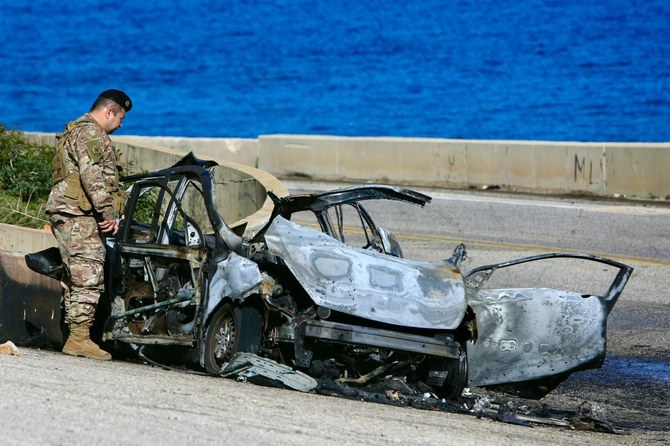
Read on France 24
Yemeni Separatists Accuse Saudi Arabia of Airstrikes Amid Regional Tensions
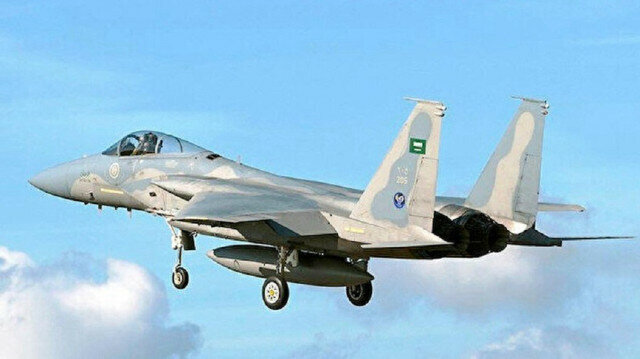
Yemen's Southern Transitional Council (STC) separatists have accused Saudi Arabia of conducting airstrikes against their positions in eastern Yemen on December 26, 2025. The allegations, which Riyadh has not acknowledged, highlight the complex and shifting alliances within the broader Yemeni conflict. This incident underscores the fragile nature of the Saudi-led coalition and raises questions about the future stability of southern Yemen. The development comes amid ongoing regional tensions and could potentially impact international diplomatic efforts to resolve the long-running civil war.
The geopolitical landscape of Yemen's civil war witnessed a significant development on December 26, 2025, as the Southern Transitional Council (STC), a key separatist faction, publicly accused its nominal ally, Saudi Arabia, of conducting airstrikes against its positions in eastern provinces. This accusation, reported by France 24, marks a serious rupture within the Saudi-led coalition that has been fighting Houthi rebels since 2015. The Saudi government has not officially acknowledged or commented on the claims, leaving a critical diplomatic and military question unanswered and threatening to further destabilize an already volatile region.

Background of the Southern Transitional Council
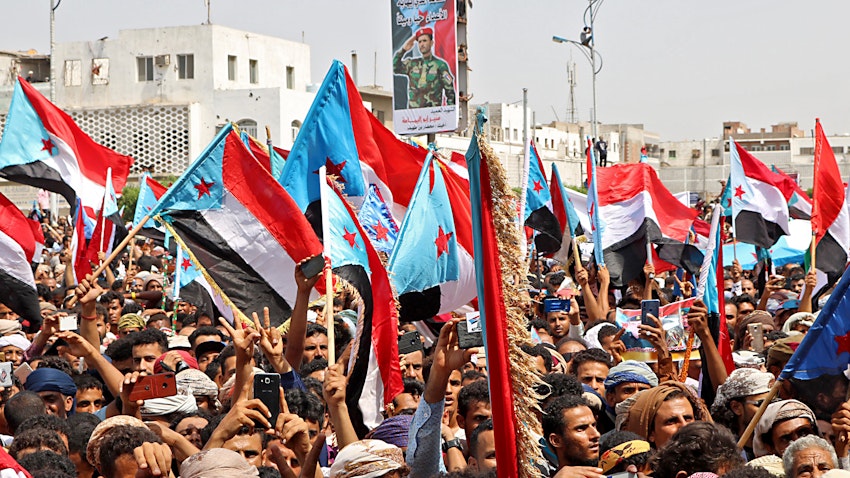
The Southern Transitional Council is a political and military organization that seeks the secession of southern Yemen and the re-establishment of the former independent state of South Yemen. Formally established in 2017, the STC has been a critical, if often contentious, partner within the Saudi-led coalition opposing the Iran-aligned Houthi movement. The alliance has always been one of convenience rather than shared ideology, with the STC leveraging Saudi support to advance its separatist goals while Riyadh utilized southern forces as ground troops in its campaign. This latest accusation suggests a severe breakdown in that fragile partnership, potentially driven by competing visions for Yemen's future post-conflict.
The Alleged Incident and Its Implications
According to the STC's statement, Saudi airstrikes targeted their military positions in the eastern part of the country. The specific locations and extent of damage were not detailed in the initial reports. The silence from Riyadh is a notable aspect of this incident. In past conflicts, the Saudi-led coalition has been quick to claim responsibility for strikes against Houthi targets, but its non-response to allegations from an allied faction is unusual. This could indicate either a denial of involvement, an internal policy debate, or a strategic calculation to avoid publicizing a rift. The incident immediately raises questions about command-and-control within the coalition and the potential for intra-alliance conflict, which would dramatically complicate the already multifaceted Yemeni war.
Regional and International Context
This development occurs within a broader context of shifting Middle Eastern alliances and ongoing efforts to broker a lasting peace in Yemen. Saudi Arabia has recently engaged in direct talks with Iran, the Houthis' main backer, aiming to de-escalate regional tensions. A fallout with the STC could weaken Saudi Arabia's negotiating position by reducing its influence over southern Yemen and potentially pushing southern separatists to seek other patrons. Furthermore, it complicates the efforts of the United Nations and international mediators who have struggled to bring all Yemeni factions to the table. A conflict within the anti-Houthi bloc could derail fragile ceasefire agreements and humanitarian aid corridors, exacerbating what the UN calls the world's worst humanitarian crisis.
Potential Outcomes and Future Scenarios
The path forward from this accusation is fraught with uncertainty. One scenario involves a private diplomatic resolution between Riyadh and the STC leadership, mending the rift to preserve a unified front against the Houthis. Alternatively, the relationship could continue to deteriorate, leading to open confrontation between former allies and the effective fragmentation of the anti-Houthi coalition. This would likely create a new front in the war, stretching military resources and causing further suffering for the civilian population caught in the crossfire. The incident also empowers other regional actors, potentially allowing the Houthis to exploit the division or encouraging other Gulf states to increase their influence with southern factions.
In conclusion, the accusation by Yemen's Southern Transitional Council against Saudi Arabia represents more than a mere military incident; it is a symptom of the deep and unresolved contradictions within the coalition fighting the Yemen war. The lack of a shared political endgame between Riyadh and its southern allies has now manifested in public recriminations. As reported by France 24, this event underscores the precarious and complex nature of the conflict. The international community must pay close attention to this rift, as its evolution will significantly impact the prospects for a comprehensive peace, the delivery of humanitarian aid, and the long-term stability of the Arabian Peninsula. The silence from Riyadh must soon be broken with clarity, or the risk of a wider, more fragmented conflict will grow exponentially.