Read on bbc.com
Israel-Hezbollah Ceasefire Plan: Key to Peace with Iran
A US-brokered partial ceasefire plan between Israel and Hezbollah is seen as a crucial step toward stabilizing the Middle East and advancing the peace process with Iran, despite ongoing clashes and high stakes for the region.
The recent acceptance of a US-proposed partial ceasefire plan by Israel and Hezbollah marks a significant, albeit fragile, development in the ongoing conflict that has drawn in regional powers, most notably Iran. While clashes continue on the ground, this diplomatic effort is widely regarded as a critical step toward de-escalation and a potential broader peace process with Tehran, which has long been a key backer of the Lebanese militia. The situation remains tense, with both sides issuing warnings and military actions persisting even after the announcement.
Understanding the Ceasefire Plan
According to reports from the BBC, US President Donald Trump confirmed that he had spoken to both Israeli Prime Minister Benjamin Netanyahu and representatives from Hezbollah, securing their agreement to a halt in hostilities. The plan, as outlined by Lebanon, requires Hezbollah to cease attacks on Israel, while Israel agrees not to strike the Lebanese capital, Beirut. However, Netanyahu has clarified that Israeli strikes on Beirut would resume if Hezbollah attacks Israeli cities or civilians, and that Israeli forces would continue operations in southern Lebanon. This has led to a precarious situation where the ceasefire is "largely holding" according to some sources, but violations have been reported on both sides.
Clashes Continue Despite Agreement
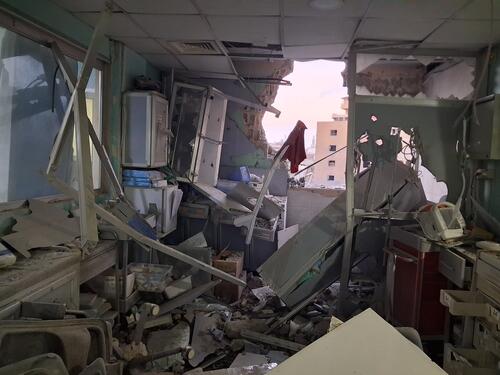
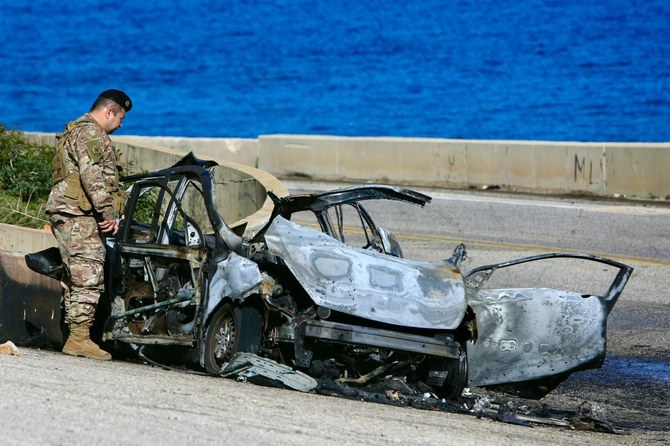
Since the announcement, Hezbollah has reported targeting Israeli tanks in southern Lebanese towns with missiles and shells, while the Israeli military intercepted projectiles fired from Lebanon. Lebanon's state-run National News Agency also reported Israeli strikes on several southern areas. This continued violence underscores the difficulty of implementing a lasting truce, especially while the underlying tensions with Iran remain unresolved.
The Iran Connection
The ceasefire plan in Lebanon is intrinsically linked to the broader US-Iran peace process. Iran has long provided Hezbollah with significant ideological, military, and financial backing, and has insisted that any agreement must include peace in Lebanon. Iranian Foreign Minister Abbas Araghchi stated that the US-Iran truce is "unequivocally a ceasefire on all fronts, including in Lebanon," warning that a violation on one front would constitute a violation on all fronts. This has heightened the stakes, as any major escalation in Lebanon could unravel the delicate diplomatic efforts with Tehran.
Regional and Global Implications
The conflict has already had severe consequences. At least 3,433 people have been killed in Lebanon since the start of the war, according to its health ministry. The war has also affected global energy markets, as the effective closure of the Strait of Hormuz due to US-Iran tensions has pushed up oil prices. Brent crude rose significantly following recent exchanges of strikes. Trump has indicated that negotiations with Iran are progressing at a "rapid pace," but no formal agreement has been reached yet.
The US has attempted to separate events in Lebanon from its negotiations with Iran, but the interconnected nature of the conflict means that a lasting peace in Lebanon is likely essential for any comprehensive deal with Tehran. The acceptance of the partial ceasefire plan is a positive step, but the coming days will be critical in determining whether it can hold and pave the way for a broader regional peace.