Read on bbc.com
Civilians Flee Beirut Suburbs After Netanyahu Orders Strikes on Hezbollah Stronghold
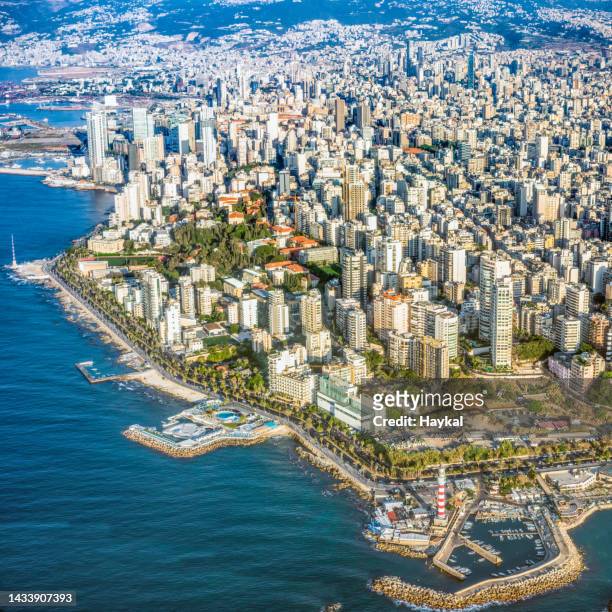
Thousands of civilians are fleeing the Dahieh suburbs of Beirut after Israeli Prime Minister Benjamin Netanyahu ordered strikes on the Hezbollah stronghold for its ongoing attacks on Israeli civilians. The mass evacuation, including families crammed into cars and on scooters, comes as the ceasefire between Israel and Hezbollah remains fragile and diplomatic efforts by the US to de-escalate the conflict face significant obstacles.
Thousands of civilians fled the southern suburbs of Beirut, known as Dahieh, on Monday after Israeli Prime Minister Benjamin Netanyahu ordered strikes on the Hezbollah stronghold in response to ongoing attacks on Israeli citizens. The mass exodus underscores the escalating conflict between Israel and the Iran-backed militant group, which has drawn Lebanon back into a devastating war despite a ceasefire agreement reached in April.

Netanyahu, speaking alongside Defense Minister Israel Katz, declared that "terror targets" in Dahieh would be struck due to Hezbollah's "repeated and ongoing violations of the ceasefire" and attacks on Israeli civilians and cities. Katz warned, "The Dahieh in Beirut is no different from the communities in northern Israel - if there is no calm in the north, there will be no calm in Beirut."
The Israeli military later issued an evacuation order for residents in the area, prompting families to hastily gather belongings and flee. Witnesses reported seeing families crammed into cars stuffed with suitcases and blankets, while some, including parents with young children, fled on single scooters. The roads out of the suburbs quickly became gridlocked as thousands sought safety in the mountains.
Escalation Amid Fragile Ceasefire
The conflict between Israel and Hezbollah escalated dramatically on March 2, when Hezbollah launched rockets into Israel in retaliation for an Israeli strike that killed Iran's supreme leader. This triggered a major Israeli air campaign across Lebanon and a ground invasion in the south, which has been expanding in recent weeks, even as strikes on Beirut have become less frequent. The recent order to target Dahieh marks a significant departure from the relative restraint exercised by Israel under US pressure since the ceasefire on April 16.
Diplomatic efforts by the US to broker a broader deal to end the war between Israel and Iran have struggled to gain traction. A US official stated that Secretary of State Marco Rubio proposed a plan for "gradual de-escalation" to Netanyahu and Lebanese President Joseph Aoun. The plan would involve Lebanese officials pressuring Hezbollah to halt attacks in exchange for Israel refraining from escalation in Beirut. However, the proposal has yet to be implemented.
Growing Humanitarian Toll
The human cost of the conflict continues to mount. At least 3,433 people have been killed in Lebanon since the war began, according to the country's health ministry, which does not distinguish between combatants and civilians. Israel reports 24 of its soldiers and four Israeli civilians have been killed over the same period. On Monday, Israeli strikes in southern Lebanon killed at least two people in the village of Zebdine and five others in Kfar Sir, while a strike near Jabal Amel hospital in Tyre killed two more and injured 23 patients and staff. Israeli media reported that one soldier was killed in combat by a drone attack in southern Lebanon.
In addition to the airstrikes, Israeli forces have expanded their ground presence in southern Lebanon. The capture of the 900-year-old Beaufort Castle after crossing the Litani River is seen as a symbolic and strategic victory, giving Israeli forces a commanding view of the region and potentially aiding efforts to counter Hezbollah attacks.
Hezbollah's Response and Diplomatic Stalemate
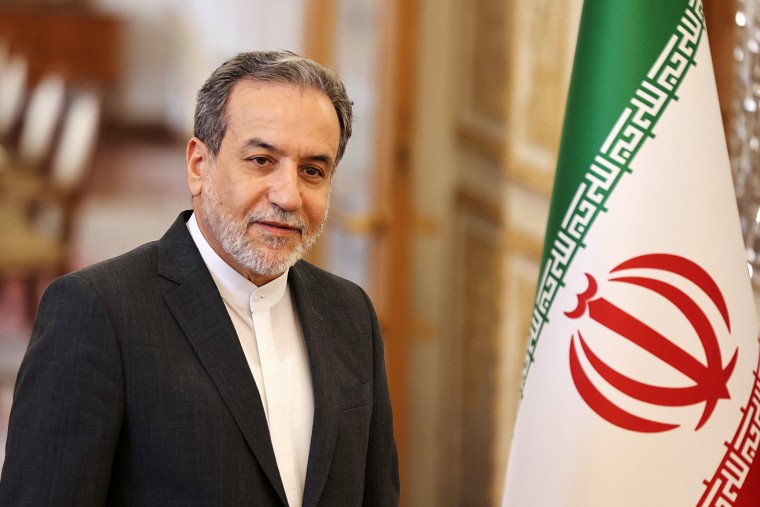
Hezbollah has responded by firing missiles and drones into Israel, including a salvo targeting military infrastructure in Tiberias. The group maintains it is retaliating against Israeli ceasefire violations. However, the group's attacks have not prevented Israel from advancing further into Lebanon. The diplomatic impasse is exacerbated by Iran's insistence that any ceasefire must include Lebanon. Iranian Foreign Minister Abbas Araghchi stated, "The ceasefire between Iran and the US is unequivocally a ceasefire on all fronts, including in Lebanon. Its violation on one front is a violation of the ceasefire on all fronts."
Despite the escalating violence, a senior Lebanese government official indicated the country is relying on US mediation to pressure Israel to curb its military actions. The official said, "We are trying our best, just to stop the killing of people," and described daily Israeli violations. A round of talks between Lebanon and Israel is still expected to take place in Washington this week, though the official acknowledged, "We don't have another choice. We have to go to the negotiation and put on the table that we want a ceasefire."
Growing War Fatigue and Criticism
While Hezbollah still draws strong support in its strongholds, there is growing war fatigue across Lebanon. Criticism is mounting against the group's decision to launch attacks in support of Iran, which many believe helped drag the country back into conflict. Simultaneously, anger is rising over Israel's expanding campaign, which includes daily airstrikes, large-scale displacement, and rising civilian casualties. Lebanese Prime Minister Nawaf Salam has accused Israel of pursuing a "scorched-earth" policy.

For now, there is little sign of a diplomatic breakthrough. Many Lebanese fear that Israel believes it holds the military advantage and intends to press it, with Netanyahu indicating that the offensive could widen and deepen in the coming days. The future of the region hangs in the balance as the international community watches to see whether US-led mediation can succeed in de-escalating the conflict and preventing further civilian casualties.