Read on PBS News
Understanding Trump's Board of Peace: $1 Billion for Permanent Membership
A new U.S.-led diplomatic initiative, President Donald Trump's Board of Peace, is inviting countries to join as founding members. A U.S. official confirms a significant financial structure: a $1 billion contribution secures a permanent seat, while a three-year appointment requires no financial commitment. The board aims to oversee the next phase in Gaza and potentially reshape global conflict resolution, emerging as a potential rival to traditional institutions like the U.N. Security Council. This article examines the board's structure, known invitees, and its implications for international diplomacy.
A significant new structure in international diplomacy is taking shape with the formation of President Donald Trump's 'Board of Peace.' According to a U.S. official speaking on condition of anonymity, the board's charter establishes a clear financial pathway for membership: a $1 billion contribution secures a country a permanent seat, while a three-year appointment carries no contribution requirement. This initiative, with its stated goal of overseeing the Gaza ceasefire's next steps, represents a bold attempt to create a new forum for global conflict resolution, potentially rivaling established institutions.

The Structure and Financial Model of the Board
The Board of Peace is not a traditional diplomatic body. Its founding charter, which has not been made public, introduces a tiered membership system directly tied to financial commitment. As reported by PBS NewsHour, the official confirmed that the substantial $1 billion fee for permanent membership is intended to fund the reconstruction of Gaza, linking the board's financing directly to its primary operational mandate. The alternative is a non-permanent, three-year seat offered without a financial contribution, creating a clear distinction between founding members based on their level of investment in the board's stated mission.
Known Invitations and Early Acceptances
The United States has extended invitations to a growing list of nations to become founding members. As of recent reports, at least eight more countries confirmed receiving invitations, joining others previously announced. Notable early acceptances include Hungary, whose Prime Minister Viktor Orbán is a staunch Trump ally in Europe, and Vietnam. Other countries that have acknowledged invitations include India, Australia, Jordan, Greece, Cyprus, and Pakistan. They join previously invited nations like Canada, Turkey, Egypt, and Argentina. The full, official list of members is expected to be announced imminently, likely during the World Economic Forum in Davos, Switzerland.

Mandate and Potential Global Role
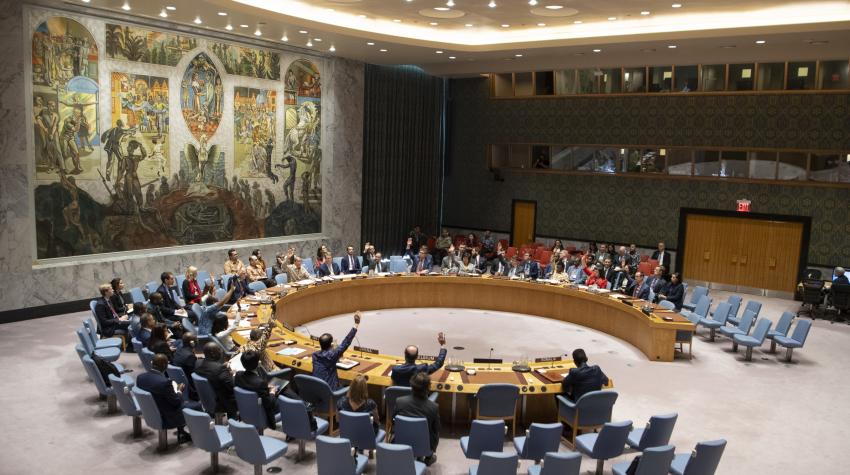
According to invitation letters sent to world leaders and posted on social media, the Board of Peace is designed to "embark on a bold new approach to resolving global conflict." Its immediate, concrete task is to oversee the challenging second phase of the Gaza ceasefire that began on October 10. This phase involves establishing a new Palestinian committee in Gaza, deploying an international security force, overseeing the disarmament of Hamas, and managing the territory's reconstruction. However, the board's described ambitions suggest a broader mandate in global affairs, positioning it as a potential alternative to the U.N. Security Council, which has been paralyzed by vetoes, including from the U.S., regarding Gaza.
The Executive Committee and Political Reactions
Operationalizing the board's vision will fall to an appointed executive committee. Its members include high-profile figures such as U.S. Secretary of State Rubio, Trump envoy Steve Witkoff, former British Prime Minister Tony Blair, World Bank President Ajay Banga, and Trump's son-in-law Jared Kushner. The committee also includes representatives from ceasefire monitor nations Qatar, Egypt, and Turkey. Notably, the formation of this committee has already sparked diplomatic friction. Israel issued a rare public criticism of its U.S. ally, stating the committee "was not coordinated with Israel and is contrary to its policy," highlighting the complex political landscape the new board must navigate.
Implications for International Diplomacy
The creation of the Board of Peace signals a shift toward ad-hoc, leadership-driven diplomatic frameworks outside traditional multilateral systems. By tying permanent membership to a major financial contribution specifically for Gaza reconstruction, the U.S. is attempting to directly link resource mobilization to a peace process. This model, if successful, could challenge the funding and operational models of established international bodies. However, its dependence on the initiative of a single administration and its controversial financial tiers raise questions about its long-term legitimacy, sustainability, and acceptance as a neutral arbiter in global conflicts beyond its initial Gaza focus.
In conclusion, President Trump's Board of Peace introduces a novel and contentious model into international relations. With its clear price tag for permanent influence and its aim to address specific conflicts where traditional institutions have stalled, the board is poised to become a significant, if controversial, new player on the global stage. Its effectiveness in managing the Gaza process and its potential expansion into a broader conflict-resolution body will be closely watched by allies and critics alike, testing the appetite for alternative global governance structures.