Read on France 24
Trump Announces Tariffs on Europe to Force Greenland Purchase
In a dramatic escalation of geopolitical tensions, former US President Donald Trump has announced a new wave of tariffs targeting eight European nations. The stated goal is to compel the United States to secure a deal for the "complete and total purchase" of Greenland, an autonomous Danish territory. The move has triggered a swift and unified rejection from European leaders, who warn of a dangerous downward spiral in transatlantic relations. This article analyzes the announcement, the targeted countries, and the potential consequences for international diplomacy and trade.
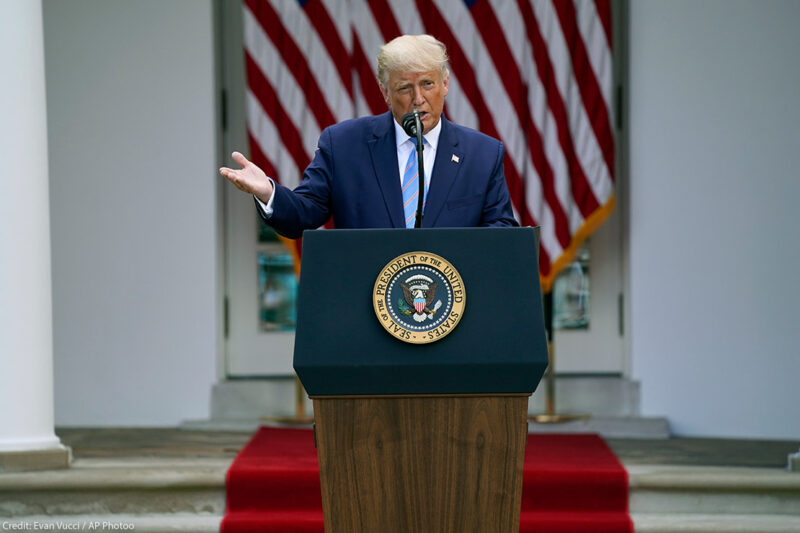
In a move that has sent shockwaves through the transatlantic alliance, former US President Donald Trump announced on Saturday a new economic strategy with a singular, audacious goal: the acquisition of Greenland. Leveraging trade policy as a tool of geopolitical coercion, Trump declared he would impose escalating tariffs on eight key European countries until the United States secures a deal for the "complete and total purchase" of the vast, mineral-rich Arctic territory. This unprecedented demand, targeting allies and challenging the sovereignty of Denmark and Greenland, has plunged US-European relations into a new crisis and raised profound questions about the future of international norms.
The Tariff Announcement and Its Targets
According to the announcement made on Trump's Truth Social platform, a 10% tariff will be imposed on February 1, 2026, on imports from eight specific European nations: Denmark, Norway, Sweden, France, Germany, Great Britain, the Netherlands, and Finland. The pressure is designed to ratchet up over time, with the tariffs scheduled to increase to a punitive 25% on June 1 of the same year. Trump stated these measures would remain in place "until a deal is reached for the United States to undertake the 'complete and total purchase' of Greenland." The selection of countries is not arbitrary; it specifically targets nations that, at Denmark's request, have recently deployed troops to Greenland, signaling a collective European commitment to the territory's security and current political status.
European and International Response
The reaction from European capitals was immediate, unified, and forceful. EU leaders Ursula von der Leyen and Antonio Costa issued a joint statement condemning the threat, warning it "would undermine transatlantic relations and risk a dangerous downward spiral." They emphasized that "Europe will remain united, coordinated, and committed to upholding its sovereignty." French President Emmanuel Macron labeled the tariff threats "unacceptable," stating that "no intimidation nor threat will influence us" and that Europeans would respond in a "united and coordinated manner."
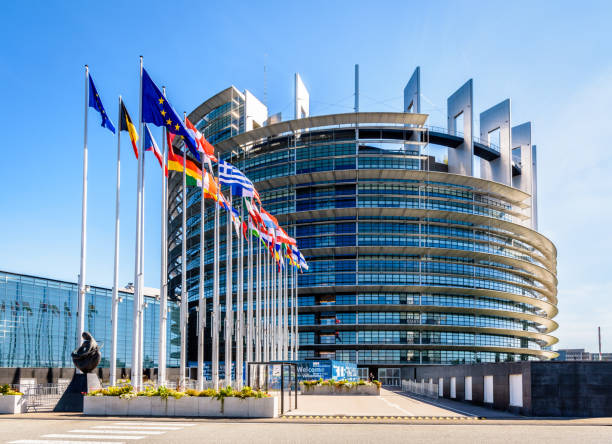
Swedish Prime Minister Ulf Kristersson firmly rejected the intimidation, asserting, "Only Denmark and Greenland decide questions that concern them." In a stark warning about the broader strategic implications, Spanish Prime Minister Pedro Sanchez suggested that any US use of force against Greenland "would be the death knell for NATO" and would embolden adversaries like Vladimir Putin. The EU's 27 ambassadors convened for an emergency meeting on Sunday to coordinate a response, underscoring the severity with which the bloc views this challenge.
The Greenland Perspective and Strategic Stakes
Central to this dispute is the will of Greenland's people, which appears overwhelmingly opposed to Trump's proposition. A January 2025 poll indicated that 85% of Greenland's population opposes joining the United States, with only 6% in favor. Naaja Nathanielsen, Greenland's Minister for Mineral Resources, expressed gratitude for the European support, stating she was "thankful and hopeful for diplomacy and allieship to prevail." Despite this clear local sentiment, Trump has repeatedly framed Greenland as vital to US national security due to its strategic location in the Arctic and its significant deposits of rare earth minerals and other resources, not ruling out the use of force to acquire it.
Analysis and Potential Consequences
This episode represents a significant escalation in using trade policy to pursue territorial acquisition, a tactic that breaches longstanding diplomatic protocols and respect for sovereignty. The demand treats an autonomous territory and its people as a commodity to be purchased, disregarding their right to self-determination. If implemented, the tariffs would disrupt billions in transatlantic trade, hurt businesses on both sides of the Atlantic, and likely trigger retaliatory measures from the EU, potentially sparking a trade war. Furthermore, it severely tests the NATO alliance by threatening economic punishment against member states for upholding their mutual security commitments.

The firm, collective response from Europe suggests a readiness to confront this pressure. However, the situation creates a volatile standoff with no clear off-ramp, as the US demand is fundamentally unacceptable to the directly involved parties and their allies. The crisis moves the geopolitical focus squarely to the Arctic, highlighting its growing strategic importance and the potential for conflict over its resources and shipping routes.
Conclusion
Donald Trump's announcement of tariffs to force the purchase of Greenland marks a dangerous new chapter in international relations, where economic coercion is openly wielded to challenge the sovereignty of allied nations. It has successfully galvanized a unified European defense of diplomatic norms and the principle of self-determination. The coming weeks will be critical in determining whether this threat escalates into a full-blown trade and diplomatic crisis or if diplomacy can find a way to de-escalate a situation built on an untenable premise. The stability of the transatlantic partnership and the rules-based international order may hinge on the outcome.