Trump's 'Board of Peace': From Gaza Ceasefire to a Global Conflict Resolution Body
Initially unveiled as part of a Gaza ceasefire agreement, President Donald Trump's 'Board of Peace' is evolving into a body with broader ambitions. Recent invitations to world leaders and an accompanying charter suggest a vision to address global conflicts beyond the Middle East. This article examines the board's expanded mandate, its proposed $1 billion membership fee for permanent status, the international reaction, and the complex dynamics between its Gaza-focused origins and its aspirational global role.
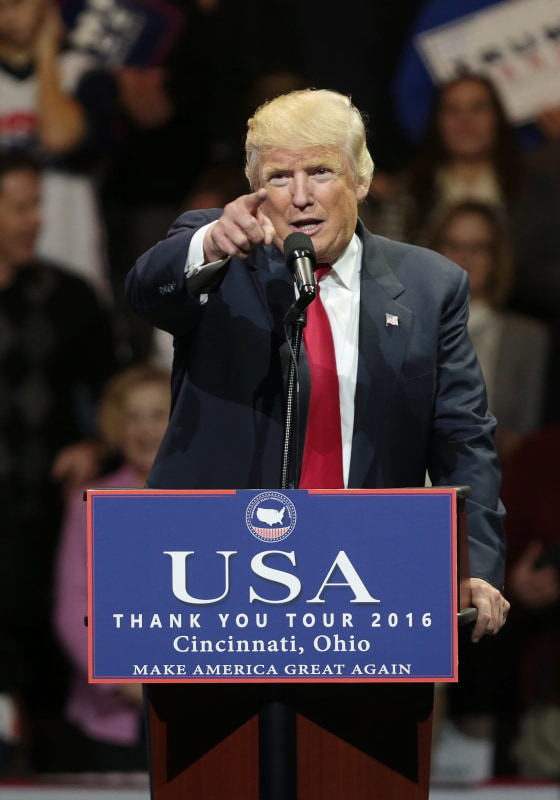
United States President Donald Trump's "Board of Peace," first announced as a mechanism within the Israel-Hamas ceasefire framework, is signaling a significant expansion of its mandate. According to reports, invitations sent to global leaders and an accompanying charter point to ambitions of creating a long-term international body designed to respond to conflicts worldwide. This shift from a Gaza-specific governance tool to a potential global peace institution represents a bold, and controversial, new foreign policy initiative from the Trump administration.
The Evolution of the Board's Mandate
The board was originally conceived as part of "phase two" of the ceasefire agreement aimed at ending the war in Gaza. Its initial, publicly stated purpose was to oversee "governance capacity-building, regional relations, reconstruction, investment attraction, large-scale funding, and capital mobilisation" within the Gaza Strip. However, documents and letters recently made public reveal a much wider scope.
In a letter to Argentinian President Javier Milei, posted to social media, Trump stated the board would seek to "solidify Peace in the Middle East" and simultaneously "embark on a bold new approach to resolving Global Conflict." An accompanying draft charter, sent to approximately 60 countries and seen by news agencies, frames the board as "an international organisation that seeks to promote stability, restore dependable and lawful governance, and secure enduring peace in areas affected or threatened by conflict." Notably, this charter does not directly reference Gaza, emphasizing instead a departure from failed institutional approaches.
Structure, Membership, and the $1 Billion Question
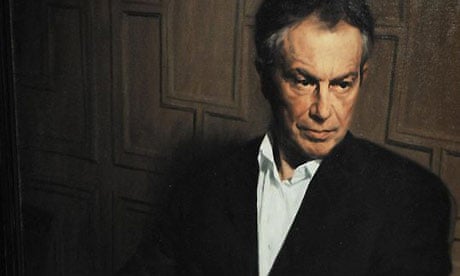
The board's structure appears multi-layered. A "Gaza Executive Board" has been established, including figures like former UK Prime Minister Tony Blair, Trump's son-in-law Jared Kushner, and representatives from Turkey, Qatar, the UAE, and the UN. This board oversees a Palestinian technocratic committee, the National Committee for the Administration of Gaza (NCAG), intended for day-to-day governance.
Separately, the wider "Board of Peace" is inviting heads of state and prominent figures. Confirmed invitees include Milei, Paraguay's Santiago Pena, Turkey's Recep Tayyip Erdogan, Egypt's Abdel Fattah el-Sisi, and European Commission President Ursula von der Leyen. Reports suggest the leaders of France, Germany, Australia, and Canada have also been invited.
A contentious element is the reported financial requirement. According to a Reuters review of the charter, countries are asked to contribute $1 billion in cash if they wish their membership to extend beyond an initial three-year period. The White House has clarified that there is no minimum fee to join but confirmed the $1 billion is for "permanent membership," framing it as a demonstration of "deep commitment to peace, security, and prosperity."
International Reactions and Geopolitical Tensions
The board's announcement and evolution have sparked mixed and often critical reactions. Within the Middle East, the initial exclusion of any Palestinian representatives from the main boards caused significant outrage. Simultaneously, Israeli Prime Minister Benjamin Netanyahu publicly stated that the composition of the Gaza Executive Board "was not coordinated with Israel and runs contrary to its policy," revealing tensions even with a close ally.
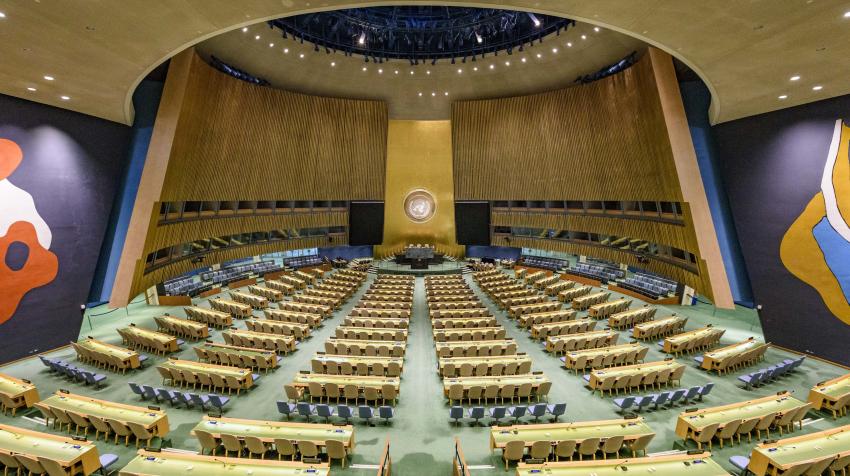
Diplomatically, the initiative has been met with skepticism. One diplomat, aware of the invitation details, described it to Reuters as a "'Trump United Nations' that ignores the fundamentals of the UN charter." This sentiment underscores concerns that the board could be perceived as a parallel institution challenging existing multilateral systems. A senior U.S. official acknowledged to The Associated Press that the expanded global role remains "aspirational," driven by Washington's repeated frustrations with the UN, but insisted the board is not intended to replace it.
Conclusion: A Bold Gambit with Uncertain Prospects
President Trump's Board of Peace represents a dual-track initiative: a concrete, if controversial, mechanism for post-war Gaza governance and an ambitious, loosely defined project for global conflict resolution. The $1 billion fee for permanent membership, the inclusion of wealthy financiers alongside politicians, and the direct appeal to national leaders outside traditional UN channels mark a distinct approach. Whether this board can effectively address the immediate crisis in Gaza while building credibility for a wider mandate remains highly uncertain. Its success will depend on navigating intense regional politics, securing genuine international buy-in beyond financial contributions, and defining a operational model that can deliver tangible results beyond its aspirational charter.