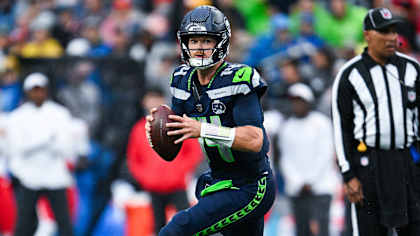
Josh Allen's Emotional Burden: Leadership and Accountability After Another Bills Playoff Heartbreak
In the wake of the Buffalo Bills' 33-30 overtime loss to the Denver Broncos in the AFC divisional round, quarterback Josh Allen displayed raw emotion, stating he felt he let his teammates down. This article examines the complex dynamics of leadership, accountability, and team support in professional sports, analyzing Allen's performance, the reactions from his coaches and teammates, and the psychological weight carried by franchise players after repeated postseason disappointments.
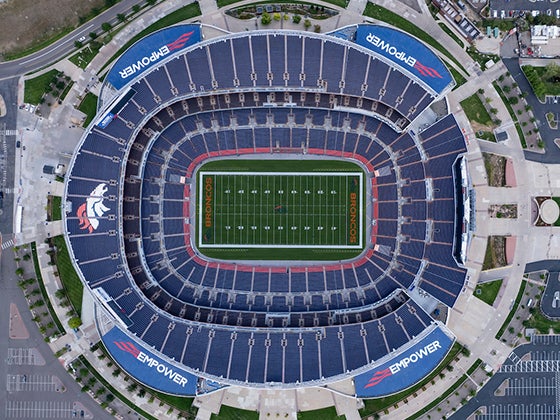
The scene in the bowels of Empower Field at Mile High Stadium was one of profound dejection. For 16 minutes after the final whistle of a crushing 33-30 overtime playoff loss, the lectern reserved for Buffalo Bills quarterback Josh Allen stood empty—a stark departure from his usual prompt postgame routine. When the reigning MVP finally appeared, his face was flushed, his eyes glistening with unshed tears, and his voice choked with emotion. "I feel like I let my teammates down tonight," Allen confessed to reporters, encapsulating the immense personal burden shouldered by a superstar athlete in the wake of collective failure. This moment, as detailed by ESPN, transcends a single game's outcome, offering a poignant case study in leadership, accountability, and the unyielding pressure of championship expectations in the NFL.

The Weight of Expectation and a Painful History
The loss to the Denver Broncos was not an isolated incident but another chapter in a recurring narrative of playoff frustration for the Buffalo Bills. The defeat marked the team's fourth divisional-round exit in five seasons, extending a Super Bowl drought that dates back to the early 1990s. This context is critical to understanding Allen's emotional state. As noted in the ESPN report, the Bills now hold the record for the most wins in a seven-season span (91, including playoffs) without a Super Bowl appearance—a statistic that hangs heavily over the franchise and its cornerstone player. Allen himself acknowledged the cumulative toll, stating, "It's been a long season. I hate how it ended, and that's going to stick with me for a long time." For an eight-year veteran who has delivered spectacular individual performances, the absence of the ultimate team prize becomes a defining, and perhaps haunting, aspect of his legacy.
A Performance Under the Microscope
Statistically, Allen's performance was a microcosm of his career—brilliantly productive yet punctuated by critical mistakes. He completed 25 of 39 passes for 283 yards and three touchdowns, adding 66 rushing yards. However, the game was ultimately decided by turnovers. Allen committed four: two lost fumbles and two interceptions. He was characteristically blunt in his self-assessment: "You can't win with five turnovers... when you shoot yourself in the foot like that, you don't deserve to win football games." One pivotal sequence involved a fumble just before halftime when the Bills, with no timeouts and 16 seconds left, opted for aggression instead of kneeling. The decision backfired, leading to a Broncos field goal. While Coach Sean McDermott supported the aggressive call, Allen shouldered the blame: "Just trying to be aggressive. I can't do that." This duality—the drive to make plays and the consequence of forced errors—is central to understanding Allen's game and his subsequent self-critique.
Unwavering Support from Teammates and Coaches
In stark contrast to Allen's self-reproach was the unanimous and vehement support from his teammates and coaches. This disconnect highlights a fundamental tenet of team sports: while the quarterback often bears the brunt of public scrutiny, victory and defeat are collective endeavors. Right tackle Spencer Brown's statement was unequivocal: "We know we wouldn't have a shot in hell to win a football game without him there." Coach Sean McDermott directly refuted the notion that the loss was on Allen: "No. It's not on [Allen]. We had opportunities, all of us, and I'm extremely proud of him. He's a tremendous person, tremendous leader, tremendous quarterback." Perhaps the most powerful reaction came from veteran wide receiver Brandin Cooks, who became emotional discussing Allen's burden. "He's been carrying us all year... He's the greatest quarterback in this league. Everybody else around him got to come up, be able to make plays," Cooks said, framing the loss as a failure of the supporting cast to alleviate pressure from their leader.
The Emotional Aftermath in the Locker Room
The raw emotion extended beyond the press conference into the team's private sanctum. The report describes Allen sitting at his locker, head down, visibly depleted, as teammates offered consolation. Left tackle Dion Dawkins was moved to tears when informed of Allen's "let down" comment, quietly反问 "He let us down?" before ending his interview. These moments reveal the deep bonds and shared pain within the team. They underscore that Allen's accountability, while perhaps overly harsh in the eyes of his peers, stems from a deep-seated loyalty and a profound desire to deliver for the men beside him. It is the burden of a captain who internalizes the fate of his crew.
Leadership Lessons from Adversity
The aftermath of this playoff loss provides compelling insights into modern athletic leadership. Allen's willingness to face the media in a state of vulnerability, to accept blame publicly, and to articulate his pain sets a powerful example. It demonstrates that leadership is not about projecting invincibility but about authentic connection and shared responsibility. His teammates' reactions confirm that this authenticity fosters immense loyalty and respect. Furthermore, the event sparks a necessary conversation about the sustainability of a team's structure when one player feels the overwhelming pressure to be the singular solution. Cooks' poignant reflection—"what can I have done to be able to alleviate some of that pressure from him"—points toward a potential organizational focus for the offseason: building a roster and system where the success is less predicated on weekly heroics from the quarterback.
Conclusion: The Path Forward
Josh Allen's emotional postgame reckoning is more than a soundbite; it is a window into the soul of a competitor grappling with the narrow margin between glory and heartbreak in professional sports. While the statistics will show another playoff loss and another offseason of "what ifs," the response within the Bills organization reveals a resilient culture built on mutual support. The challenge for Buffalo is to convert this shared pain into a renewed purpose. For Allen, the path forward involves balancing his relentless drive with the acceptance that some burdens are meant to be shared. As the Bills regroup, the image of their leader, red-eyed and accountable, will likely serve not as a symbol of defeat, but as a catalyst for the unity required to finally break through the barrier that has confined them for so long. The journey continues, and the weight of expectation, though heavy, is borne by many shoulders.