Read on the Guardian
The Deportation of Any Lucía López Belloza: A Case of Government Error and Immigration Policy
The Trump administration acknowledged a 'mistake' in court after deporting Any Lucía López Belloza, a 19-year-old college student, while she was attempting to fly home for Thanksgiving. Despite an emergency court order to halt her removal, Immigration and Customs Enforcement (ICE) flew her to Honduras, violating judicial directives. This case highlights critical issues within the U.S. immigration enforcement system, including procedural failures, the impact on individuals' lives, and the complex legal battles that follow such errors. The government's apology has done little to rectify the profound disruption caused to López Belloza's life and education.
The intersection of immigration enforcement and individual rights often produces complex and heartbreaking narratives. A recent case involving Any Lucía López Belloza, a 19-year-old college student, underscores how procedural errors within federal agencies can upend lives, even when the government subsequently acknowledges its mistakes. This incident, which occurred during the Trump administration, reveals systemic vulnerabilities and raises important questions about accountability, due process, and the human cost of immigration policy enforcement.
The Incident: Detention and Deportation
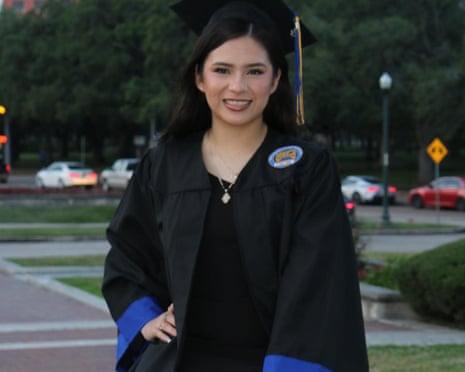
On November 20, Any Lucía López Belloza, a freshman at Babson College in Wellesley, Massachusetts, was detained at Boston's Logan International Airport. She was attempting to fly home to Austin, Texas, to surprise her family for Thanksgiving. Despite her lawful presence in the United States since her family emigrated from Honduras in 2014 when she was seven years old, she was taken into custody by Immigration and Customs Enforcement (ICE).
Two days later, on November 22, she was flown to Honduras. This removal occurred despite an emergency court order issued on November 21 by a federal judge, which explicitly directed the government to keep López Belloza within the United States for at least 72 hours to allow for proper legal proceedings. The violation of this judicial order became the central point of contention in subsequent court hearings.
Government Acknowledgment and Legal Arguments
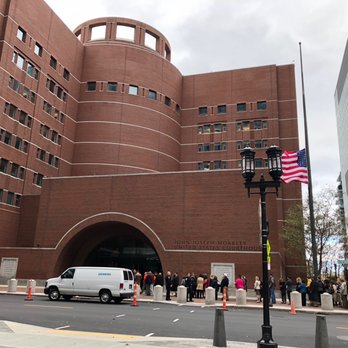
During a federal court hearing in Boston, the Trump administration, through Assistant U.S. Attorney Mark Sauter, offered a formal apology. Sauter stated, "On behalf of the government, we want to sincerely apologize," characterizing the employee's action as "an inadvertent mistake by one individual, not a willful act of violating a court order."
However, the government's legal position remained complex. It argued that the court lacked jurisdiction because López Belloza's lawyers filed their legal action several hours after she had already been transported to Texas, en route out of the country. Furthermore, prosecutors maintained that her deportation was technically lawful because an immigration judge had ordered the removal of López Belloza and her mother back in 2016, and the Board of Immigration Appeals had dismissed their appeal in 2017.
The Human Impact: Dreams Disrupted
For Any Lucía López Belloza, the government's error had profound personal consequences. In an interview with the Associated Press, she described the emotional journey from incredulity to despair as she was flown to Honduras. "I guess this is where my dreams are gone," she recalled thinking. She contrasted the opportunities in the United States, where she was pursuing a business degree with the hope of opening a tailoring shop with her father, with the limitations she perceived in Honduras. "In the United States, dreams are possible. You can make them happen," she said.
The mistake has fundamentally disrupted her life. She is currently staying with grandparents in Honduras and studying remotely, separated from her family in Texas and her academic community in Massachusetts. The psychological toll is significant; she stated, "Those hours I was detained, it was so horrible... Knowing that it was a mistake, it does hurt me."
Judicial Response and Ongoing Legal Battle
Federal Judge Richard Stearns presided over the case. While he appreciated the government's acknowledgment of error, calling it a "tragic" bureaucratic mistake, he appeared inclined not to hold the government in contempt, noting the violation did not seem intentional. He also questioned whether he had jurisdiction. "It might not be anybody's fault, but she was the victim of it," Stearns remarked, suggesting López Belloza might explore applying for a student visa to return.
Her lawyer, Todd Pomerleau, argued vigorously that her deportation violated the court order and deprived her of due process. "I was hoping the government would show some leniency and bring her back," he said. "They violated a court order." In response, Pomerleau filed papers asking the judge to order the government to formulate a plan to return his client to the United States, keeping the legal battle alive.
Systemic Implications and Conclusion
The case of Any Lucía López Belloza is not merely an isolated error but a symptom of broader systemic issues within U.S. immigration enforcement. The failure of an ICE officer to activate a system alerting others that a case was under judicial review points to potential gaps in training, communication protocols, and oversight. While the government apologized, its simultaneous defense of the deportation's underlying legality highlights the complex and often unforgiving nature of immigration law, where past orders can have lasting consequences.
This incident serves as a stark reminder of the immense power wielded by immigration authorities and the devastating impact mistakes can have on individuals and families. It underscores the critical need for robust safeguards, transparent accountability mechanisms, and a system that prioritizes due process and human dignity alongside enforcement. The apology, while a necessary first step, remains insufficient without concrete actions to rectify the harm done and prevent similar "tragic mistakes" in the future.