Winter Storms and Aid Restrictions Compound Gaza's Humanitarian Crisis
Severe winter storms have flooded thousands of tents and damaged already precarious shelters across the Gaza Strip, exacerbating the dire living conditions for displaced Palestinians. With over 90% of buildings destroyed in northern areas and critical infrastructure collapsed, heavy rains have led to sewage overflow and increased the risk of building collapses. This environmental catastrophe unfolds amid ongoing restrictions on the delivery of essential aid, including tents and mobile homes, leaving a population already devastated by war facing exposure, disease, and further loss of life.
The humanitarian crisis in Gaza has entered a perilous new phase as severe winter weather compounds the devastation of prolonged conflict. Heavy rains and high winds have lashed the enclave, flooding thousands of makeshift tents and threatening the structural integrity of partially destroyed buildings where displaced families seek refuge. This environmental emergency arrives amidst stringent restrictions on humanitarian aid, creating a catastrophic convergence of natural and man-made disasters that leaves the Palestinian population in Gaza increasingly vulnerable to exposure, disease, and further loss of life.
Storm Damage and Infrastructure Collapse
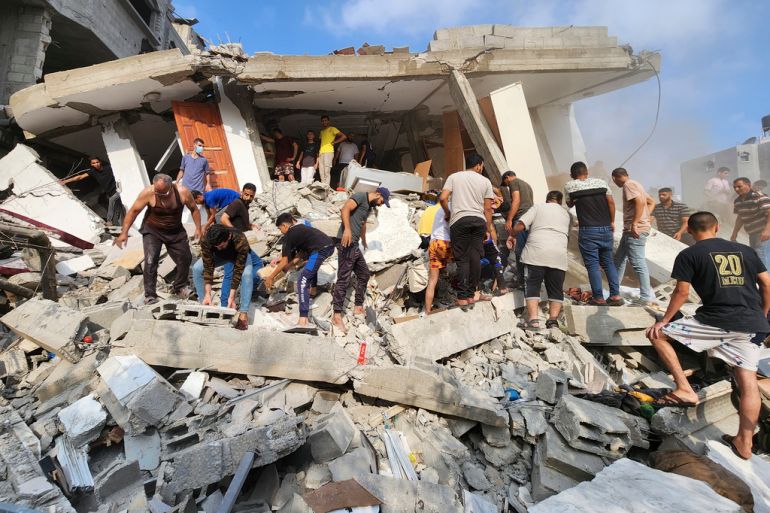
The recent winter storms have inflicted severe damage across Gaza, particularly in northern regions where destruction from military operations is most extensive. According to reports from Gaza Civil Defence, more than 53,000 displacement tents were partially or fully flooded, swept away by torrents, or torn apart by strong winds during the recent weather system. At least 13 buildings collapsed under the strain of the rains, adding to the already staggering toll of destroyed infrastructure.
Mazen al‑Najjar, the mayor of Jabalia, has highlighted the complete collapse of municipal infrastructure in northern Gaza, where more than 90% of buildings and streets have been destroyed. This systemic destruction means rainwater has nowhere to drain, causing streets to flood rapidly and sewage systems to overflow. The resulting contamination creates immediate public health risks for a population already struggling with limited access to clean water and medical care.

Precarious Living Conditions Worsen
For the hundreds of thousands of Palestinians displaced by conflict, the winter storms have transformed difficult living conditions into life-threatening situations. Many families have sought refuge in the remnants of buildings largely destroyed by military operations, structures that Gaza Civil Defence spokesman Mahmoud Basal warns pose "a grave danger" due to their instability during rain and wind. Residents report that the tents still standing offer little protection against the elements, leaving them exposed to cold, wet conditions that increase risks of hypothermia and respiratory illnesses.
The situation represents a significant deterioration since the ceasefire that took effect in October. Despite the reduction in active hostilities, living conditions have not improved meaningfully, with Israel continuing to limit the entry of aid trucks in violation of the humanitarian protocols established in the truce agreement. This restriction particularly affects the delivery of shelter materials, including tents and mobile homes that could provide temporary relief from the winter weather.
Humanitarian Response and International Calls
Local authorities and humanitarian organizations face overwhelming challenges in responding to the compounded crisis. Municipalities, civil defence teams, and both local and international aid groups are operating in an environment where, as Mayor al-Najjar notes, their efforts cannot "meet the great and growing need." The mayor has called for urgent international action, emphasizing the necessity of mobile homes as temporary relief, the establishment of safe camps, and the rapid rehabilitation of infrastructure and sewage networks.
These appeals highlight the gap between immediate needs and the available response capacity. The restrictions on aid entry have created bottlenecks that prevent essential materials from reaching those most vulnerable. Israel stands accused of operating a systemic ban or severe restrictions on the entry of tents and mobile homes specifically, despite their critical importance for survival during winter months. This policy leaves displaced Palestinians with deteriorating shelter options as weather conditions worsen.

Broader Context of Ongoing Crisis
The winter storms arrive after more than two years of conflict that has devastated Gaza's infrastructure and social fabric. The humanitarian catastrophe has left thousands bearing the brunt of displacement, destruction, and deprivation. The recent weather-related deaths—at least 14 people were killed in a winter storm last week—add to the tragic toll of a population already traumatized by loss.
This situation underscores how environmental factors can dramatically exacerbate humanitarian emergencies in conflict zones. When basic infrastructure is destroyed and humanitarian access is restricted, natural events like winter storms become magnified disasters. The flooding in Gaza represents not just a weather event but a symptom of broader systemic failures in protection and assistance for vulnerable populations during and after conflicts.
Conclusion: An Urgent Call for Action
The convergence of winter storms and aid restrictions in Gaza has created a humanitarian emergency within an emergency. Displaced Palestinians face exposure, disease, and further displacement as their already inadequate shelters fail against the elements. The international community faces both a moral and practical imperative to address this crisis through increased pressure for humanitarian access and accelerated delivery of appropriate shelter solutions.
Without immediate intervention, the winter months threaten to exact a heavy toll on a population that has already endured unimaginable suffering. The situation in Gaza serves as a stark reminder that the consequences of conflict extend far beyond direct violence, encompassing environmental vulnerabilities, infrastructure collapse, and bureaucratic barriers to lifesaving aid. Addressing these interconnected challenges requires a comprehensive approach that prioritizes human dignity and survival above political considerations.