Read on bbc.com
Syrian Refugees in Turkey: The Complex Decision to Return Home After Assad's Fall
Since the ousting of Bashar al-Assad in December 2024, over half a million Syrians have left Turkey to return to their homeland. This article explores the complex considerations facing the remaining Syrian refugee community in Turkey as they weigh the difficult decision of whether and when to return. Through interviews and analysis, we examine the push and pull factors, including economic challenges, security concerns, family reunification, and the practical realities of rebuilding a devastated nation under an interim government led by former Al Qaeda leader Ahmed Al Sharaa.
For the millions of Syrians who found refuge in Turkey during their country's devastating civil war, the fall of long-time dictator Bashar al-Assad in December 2024 presented both hope and uncertainty. More than half a million Syrians have already left Turkey since the regime change, but for those who remain, the decision to return involves complex calculations about security, economics, family, and the practical realities of rebuilding a shattered nation. This article examines the multifaceted considerations facing Syrian refugees in Turkey as they navigate this pivotal moment in their lives and the future of their homeland.
The Changing Landscape for Syrian Refugees in Turkey
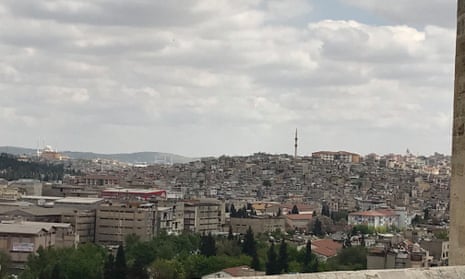
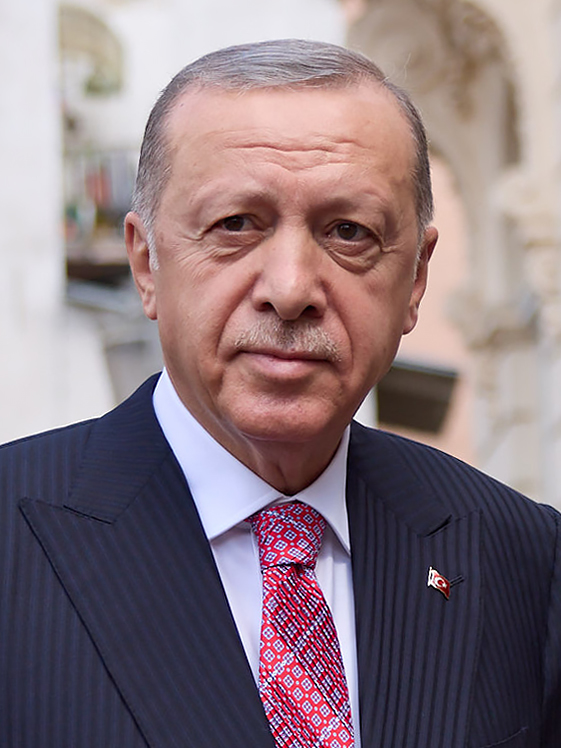
Turkey became the primary safe haven for Syrians fleeing the civil war that began in 2011, hosting more refugees than any other country with numbers reaching 3.5 million at their peak. This massive influx created political tensions and occasional xenophobic attacks within Turkish society. While Turkish President Recep Tayyip Erdogan, who backed the uprising against Assad, has insisted that no Syrian will be forced to leave, refugee advocates point to growing pressures beneath the surface. These include the ending of free medical care for Syrians from January 2025 and new government regulations making it more expensive for employers to hire Syrian workers.
According to Metin Corabatir, who heads the independent Turkish research centre on asylum and migration (IGAM), these policy changes "cast a shadow over how voluntary returns are." The temporary protection status granted to Syrians comes with significant restrictions, including limitations on movement between cities and difficulty obtaining work permits, leaving many in low-paid jobs and living on the margins of Turkish society.
Voices from the Syrian Community
The Pull of Homeland
For many younger Syrians like 18-year-old Ahmed, who fled Syria when he was five, the pull of home remains strong despite having few memories of the country. "I am impatient to get there," he told the BBC, while acknowledging the economic challenges: "I am trying to save money first, because wages in Syria are low." His optimism about Syria's future reflects a common sentiment among those eager to return: "Syria will be rebuilt and it will be like gold."

Practical Concerns and Family Considerations
Aya Mustafa, 32, represents those who want to return but face practical barriers. Her family home in Aleppo still stands but is occupied by others, and she worries about basic infrastructure and services. "We need the basics like electricity and water and jobs to survive there," she explains. Family considerations are paramount, especially for those with elderly relatives or children born in Turkey who don't speak Arabic. "Every day, every hour, we speak about this point," says Aya about the return decision within her community.
The Decision to Remain
Not all Syrians see return as viable. One Syrian father who runs an aid organization helping fellow refugees was adamant when asked about returning: "No, not for me and for my family." He cited problems with Syria's economy, security, education, and health system, expressing skepticism about the interim government's ability to manage the situation. "The security situation is very bad," he reported after visiting. "Every day there are killings." His family has developed contingency plans that don't include returning to Syria.
The Political Context and Future Uncertainties
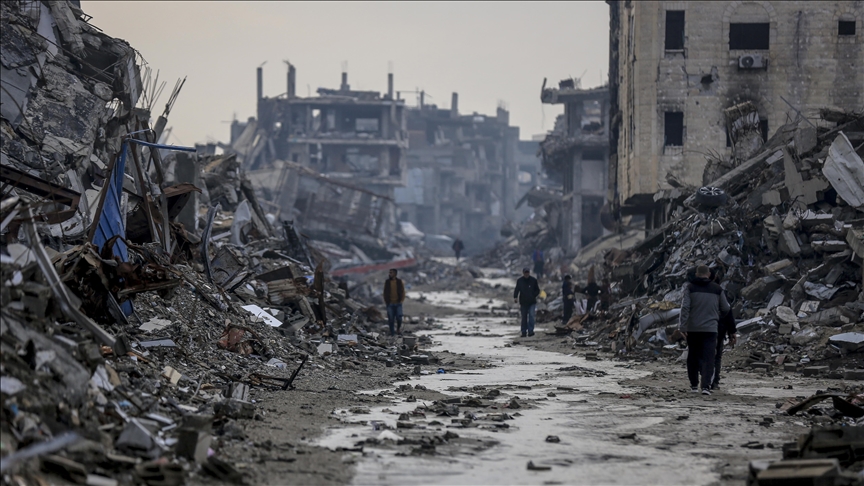
The interim government in Syria, led by former Al Qaeda leader Ahmed Al Sharaa who has worked to reinvent his image, faces monumental challenges in rebuilding a country devastated by more than a decade of conflict. The level of destruction in cities like Aleppo presents practical barriers to return, while security concerns persist despite the change in leadership.
In Turkey, upcoming presidential and parliamentary elections due by 2028 could further complicate the situation for Syrian refugees. According to migration expert Metin Corabatir, "Normally President Erdogan is their main protector... But if there is an election, and a political gain for the AKP [ruling party] to make, there might be some policy changes." He warns that elections could revive xenophobic rhetoric that featured in previous polls, noting that while such feelings "went to sleep... the infrastructure of this xenophobic attitude is still alive."
The Emotional Dimension of Return
For some, the emotional pull of homeland overrides practical concerns. Mahmud Sattouf, a 63-year-old teacher with Turkish citizenship, beams with excitement about returning to Syria with his wife and family. "We are returning because we love our country," he says. "It's a great joy. I can't describe it in words. As we say in English: 'East, west, home is best'." His optimism about rebuilding reflects a deep connection to place that transcends current difficulties.
Yet this emotional connection is tempered by painful realities for others. The Syrian aid worker speaks softly about his 80-year-old father in Damascus who hasn't seen his grandsons for 12 years and may never see them again—a poignant reminder of the human cost of displacement and the difficult choices families must make.
Conclusion: Navigating an Uncertain Future
The decision facing Syrian refugees in Turkey represents one of the most complex migration dilemmas of our time. While the fall of Assad has opened the possibility of return, practical realities—from economic instability and security concerns to family considerations and the challenges of rebuilding—make the decision far from straightforward. The varying perspectives within the Syrian community reflect different priorities, circumstances, and risk assessments.
As Turkey's policies evolve and Syria's interim government works to establish stability, Syrian refugees will continue to weigh their options carefully. For some, like Aya Mustafa, the belief remains strong that "that day will come" when return becomes possible. For others, Turkey or alternative destinations represent their future. What remains clear is that the path forward requires careful navigation of both practical realities and the deep emotional connections that bind people to their homeland, even after years of displacement.