Severe Weather Compounds Humanitarian Crisis in Gaza, Claiming Infant's Life
Severe winter storms have intensified the humanitarian catastrophe in Gaza, with hypothermia claiming the life of an infant and high winds causing further destruction to already vulnerable shelters. This extreme weather exacerbates the dire conditions faced by Palestinians displaced by the ongoing conflict, highlighting how environmental factors can become deadly weapons against a defenseless population. The situation underscores the urgent need for humanitarian aid and protective infrastructure to shield civilians from both conflict and the elements.
Severe winter storms have struck Gaza, compounding the already catastrophic humanitarian situation with deadly force. Reports confirm that hypothermia has claimed the life of another infant, while powerful winds have caused significant additional destruction, toppling walls onto tents and damaging unstable structures. This extreme weather event acts as a cruel multiplier of suffering for a population already rendered defenseless by prolonged conflict and siege, stripping away even the most basic protections from the elements.
The Immediate Impact of the Storm
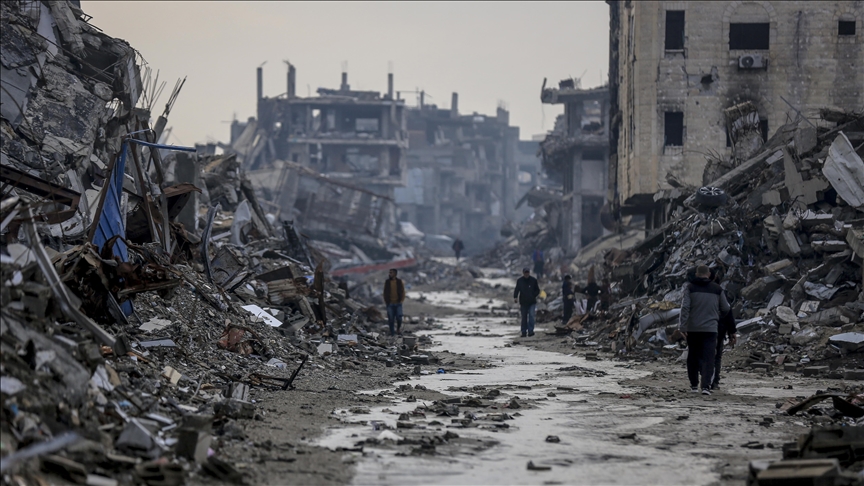
The recent severe weather system brought strong winds and cold temperatures to the Gaza Strip. These conditions proved immediately lethal for the most vulnerable. An infant succumbed to hypothermia, a direct consequence of exposure in inadequate shelter. Furthermore, high winds caused a wall to collapse onto a tent, illustrating the fragility of the makeshift shelters that hundreds of thousands of displaced Palestinians now call home. The storm also led to the collapse of a previously damaged building onto its residents, adding to the death toll and injury count from structural failures.
Weather as a Compound Crisis
In conflict zones with decimated infrastructure, extreme weather ceases to be merely a natural event and transforms into a secondary, deadly crisis. The storm's impact highlights this phenomenon starkly. Without robust housing, reliable heating, or proper medical facilities, a cold snap or a strong wind becomes a direct threat to life. The population's capacity to cope with environmental stressors has been systematically eroded by the destruction of homes, hospitals, and power grids, leaving them acutely vulnerable to weather extremes.

The Broader Humanitarian Context
This weather event cannot be viewed in isolation. It occurs within the context of what some reports describe as a genocidal war, which has left Palestinians with minimal defenses against any additional shock. The storm exacerbates shortages of food, clean water, and medical supplies, while also damaging the few remaining functional pieces of civilian infrastructure. The inability to prepare for or respond to such weather due to blockade restrictions and active hostilities turns a manageable natural event into a humanitarian disaster.
Urgent Needs and the Path Forward
The immediate priority is the provision of emergency winterization aid: reinforced tents, thermal blankets, heating fuel, and weather-appropriate clothing. Beyond immediate relief, there is a critical need for the establishment of safe shelters and the repair of infrastructure to provide basic protection. Ultimately, addressing the root cause—the ongoing conflict and siege—is essential to prevent weather and other environmental factors from continuing to act as weapons against the civilian population. The international community faces a pressing obligation to facilitate both emergency aid and a durable political solution.