 Read on cbsnews.com
Monsoon Havoc: Climate Change Intensifies Flooding Across Southeast Asia
Catastrophic monsoon flooding and landslides have claimed over 1,000 lives across Southeast Asia, with Indonesia and Sri Lanka bearing the brunt of the devastation. Triggered by extreme rainfall events that scientists link to climate change, the disaster has submerged villages, cut off communities, and overwhelmed national response efforts. This article examines the scale of the crisis, the immediate humanitarian challenges, and the broader implications of a warming planet on regional weather patterns.
The death toll from catastrophic monsoon flooding and landslides across Southeast Asia has climbed past 1,000, marking one of the region's deadliest natural disasters in recent years. Hardest-hit nations Indonesia and Sri Lanka have deployed military assets in desperate rescue and relief operations as entire communities remain isolated by floodwaters. Scientists point to climate change as a key driver behind the unprecedented intensity of the rainfall, signaling a new era of weather-related threats for vulnerable coastal and low-lying populations.
Scale of the Catastrophe
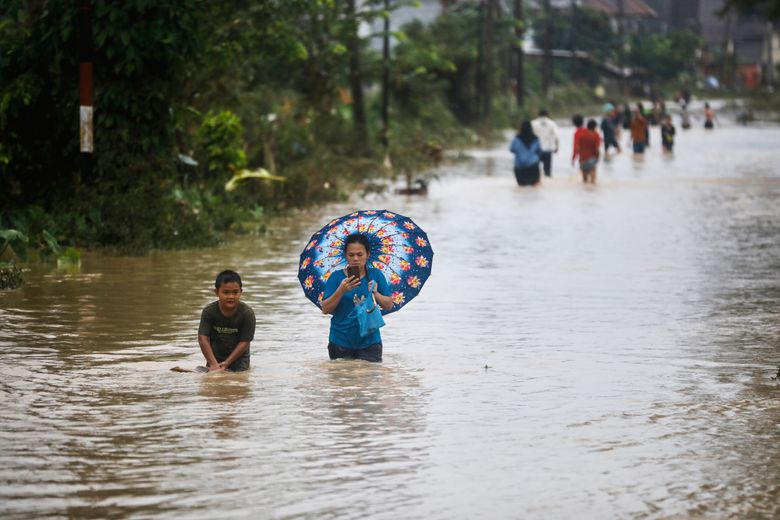
The disaster unfolded as separate weather systems dumped torrential, extended rainfall on Sri Lanka, Indonesia's Sumatra island, southern Thailand, and northern Malaysia. While the region is in its annual monsoon season, the scale and intensity of the event were far beyond normal seasonal patterns. In Indonesia, the death toll has reached at least 502, with more than 500 people still missing, making it the deadliest natural disaster in the country since the 2018 Sulawesi earthquake and tsunami. Sri Lankan officials reported at least 340 fatalities, with many more missing, describing the flooding as the "largest and most challenging natural disaster in our history."
Humanitarian Crisis and Response
The relentless rains transformed landscapes, leaving residents clinging to rooftops awaiting rescue by boat or helicopter. Critical infrastructure was severed, cutting off villages from essential aid. In Indonesia, President Prabowo Subianto visited North Sumatra, stating the government's priority was to "immediately send the necessary aid" to isolated areas. The Indonesian government has dispatched three warships carrying supplies and two hospital ships to the worst-affected zones. However, President Subianto has faced pressure to declare a national emergency and, unlike Sri Lanka, has not publicly called for international assistance.

In Sri Lanka, the situation prompted President Anura Kumara Dissanayake to declare a state of emergency. The government has actively called for international aid and utilized military helicopters to reach people stranded by flooding and landslides triggered by Cyclone Ditwah. In the capital, Colombo, floodwaters peaked overnight, allowing some businesses to reopen as waters began receding, revealing the full extent of the damage.
Climate Change as an Amplifying Force
Experts consistently highlight the role of climate change in exacerbating such extreme weather events. While monsoons are a seasonal feature, a warming atmosphere holds more moisture, leading to more intense and prolonged rainfall. Scientists say climate change is "producing more extreme rain events, and turbocharging storms across the planet." This event underscores the heightened vulnerability of Southeast Asian nations, where dense populations, poverty, and often inadequate infrastructure magnify the impact of natural disasters.
Voices from the Ground
The human cost is staggering. At an evacuation center in Indonesia's North Aceh, 28-year-old Misbahul Munir described walking through neck-deep water to check on his parents, only to find their home destroyed. "I have only the clothes I am wearing," he said. In Colombo, delivery driver Dinusha Sanjaya expressed shock at the rapid onset: "Every year we experience minor floods, but this is something else... It is not just the amount of water, but how quickly everything went under." These accounts reflect a disaster that unfolded with terrifying speed, leaving little time for preparation or evacuation.

Looking Ahead: Recovery and Resilience
The immediate focus remains on search, rescue, and delivering life-saving aid to cut-off communities. The long-term recovery will be arduous, involving rebuilding homes, restoring livelihoods, and repairing critical infrastructure. This disaster also forces a urgent reckoning with climate resilience. Nations must invest in improved early warning systems, flood defenses, urban planning, and disaster preparedness strategies. The tragic events of recent weeks serve as a stark warning that historical weather patterns are no longer a reliable guide for the future, demanding a fundamental shift in how vulnerable regions prepare for and respond to the escalating climate crisis.