Read on bbc.com
Spain Announces National Network of Climate Shelters to Combat Extreme Heat
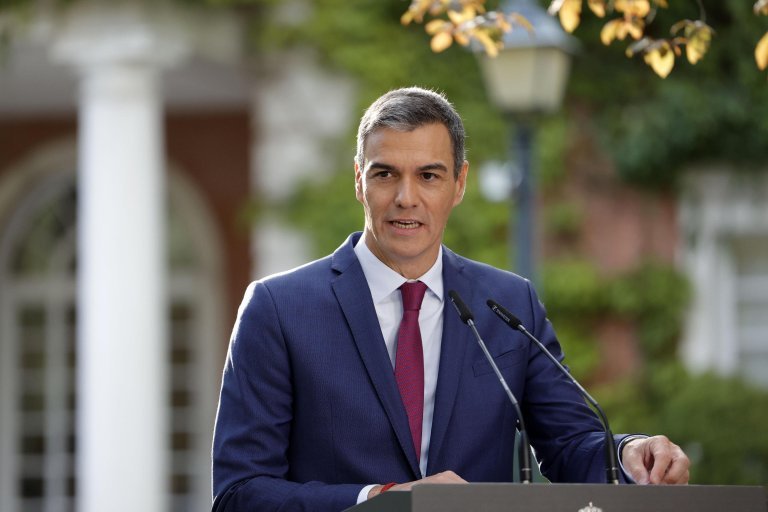
Spain's Prime Minister Pedro Sanchez has announced plans to establish a national network of climate shelters in public buildings across the country to provide refuge from intense heatwaves. The initiative comes in response to record-breaking temperatures during the 2025 summer, which included a 16-day heatwave with temperatures exceeding 45°C (113°F) and resulted in over 3,800 heat-related deaths. The government-funded shelters will prioritize areas most affected by extreme heat and will complement existing regional networks already operating in Catalonia, the Basque Country, and Murcia. This announcement forms part of a broader state pact addressing climate change impacts, including flood and fire prevention measures.
In a significant policy announcement addressing the escalating impacts of climate change, Spanish Prime Minister Pedro Sanchez has revealed plans to establish a comprehensive national network of climate shelters. These shelters, to be located in public buildings across Spain, will offer citizens refuge from increasingly intense and prolonged heatwaves, with the system slated to be operational before the next summer season. The announcement was made during a climate conference in Madrid, where Sanchez framed the initiative as a critical public health and safety measure in response to what he described as "the new normal" of devastating droughts and extended heat periods.
The Climate Emergency in Spain
Spain experienced its hottest summer on record in 2025, enduring three distinct heatwaves that pushed temperatures to unprecedented levels. According to data from the State Meteorological Agency (AEMET), a particularly severe 16-day heatwave in August saw temperatures consistently exceed 45°C (113°F) in multiple regions. The human toll of these extreme conditions has been substantial, with the Ministry of Health estimating more than 3,800 heat-related deaths during the summer of 2025—an alarming 88% increase compared to the previous year. These statistics underscore the urgent need for protective measures, particularly for vulnerable populations including older adults, infants, individuals with pre-existing health conditions, and those with limited economic resources.
Structure and Implementation of Climate Shelters
The national network of climate shelters will be established in public buildings strategically selected to maximize accessibility and coverage. Prime Minister Sanchez emphasized that government funding would be directed toward "areas that need them most, where the heat really hits people the hardest," indicating a targeted approach based on vulnerability mapping and heat exposure data. While specific building types haven't been detailed at the national level, existing regional networks provide a model: Barcelona's approximately 400 climate shelters are located in libraries, museums, sports facilities, and shopping malls. These spaces typically offer air conditioning, seating areas, and free drinking water—basic amenities that can significantly reduce heat-related health risks during extreme temperature events.

Integration with Existing Regional Networks
The national initiative will build upon and coordinate with climate shelter networks already established by several regional governments. Catalonia, the Basque Country, and Murcia have pioneered these systems, with Barcelona's network serving as a particularly well-developed example. The Catalan capital's approximately 400 shelters have operated successfully, demonstrating the feasibility and public benefit of such systems. The national rollout will presumably standardize certain aspects—such as minimum amenities, operating hours during heat alerts, and public signage—while allowing regional authorities to adapt implementation to local needs and existing infrastructure. This layered approach leverages local experience while ensuring broader geographic coverage and consistency in public health protection.
Broader Climate Change Response Framework
The climate shelter announcement forms part of a broader "state pact" on climate change that Sanchez presented to political stakeholders. The comprehensive proposal includes additional measures such as €20 million (£18 million; $24 million) designated for fire prevention plans in small towns and funding for flood prevention initiatives. Sanchez has explicitly framed this package as transcending political divisions, stating it is "not an electoral weapon... it is a shield for Spain." The proposals must still be brought before the Congress of Deputies, Spain's lower parliamentary house, and Sanchez has invited contributions from other political groups to strengthen the pact. This collaborative framing suggests recognition that climate adaptation requires sustained, cross-party commitment beyond electoral cycles.
Scientific Context and Future Implications
The Spanish government's initiative aligns with scientific consensus from the UN's Intergovernmental Panel on Climate Change, which confirms that heatwaves are becoming more frequent, intense, and prolonged due to human-caused climate change. The 2025 summer in Spain provided stark evidence of this trend, with not only record temperatures and heat-related deaths but also a devastating wildfire season that burned over 400,000 hectares. Climate shelters represent an adaptive measure within a broader necessity for both mitigation (reducing greenhouse gas emissions) and adaptation (preparing for unavoidable impacts). As Sanchez noted, some summers now feature "one long heatwave stretching from June through August" rather than discrete heat events, necessitating sustained responses rather than emergency-only measures.

Conclusion
Spain's plan to establish a national network of climate shelters represents a proactive, practical response to the escalating threat of extreme heat driven by climate change. By leveraging public buildings as refuges, the initiative addresses immediate public health risks while signaling governmental recognition of climate adaptation as essential infrastructure. The integration with existing regional networks, focus on vulnerable populations, and placement within a broader climate pact demonstrate a multifaceted approach. As heatwaves continue to intensify across Europe and globally, Spain's model may offer valuable lessons for other nations grappling with similar challenges, emphasizing that protecting citizens from climate impacts requires both immediate protective measures and long-term strategic planning.