From Fire to Flood: California's Post-Wildfire Mudslide Threat and Florida's Flamingo Return
A California resident faces a new danger after her home survived a wildfire: the looming threat of mudslides, highlighting the cascading environmental hazards in fire-scarred landscapes. Meanwhile, in a separate ecological story, flamingos are making a notable return to Florida's wetlands. This article explores the dual narratives of human resilience against natural disasters and the positive signs of wildlife recovery, examining the interconnected challenges and recoveries within our changing environment.
In the aftermath of a wildfire, the immediate danger may seem to have passed, but for many residents, a second, equally devastating threat often looms. This is the reality for a homeowner in Altadena, California, whose property survived the flames only to now face the peril of mudslides. Concurrently, a more hopeful environmental story is unfolding across the country, as flamingos are being spotted with increasing frequency in Florida. These two narratives—one of persistent vulnerability and one of ecological return—paint a complex picture of our relationship with a dynamic natural world.

The Cascading Threat: Mudslides After Wildfires
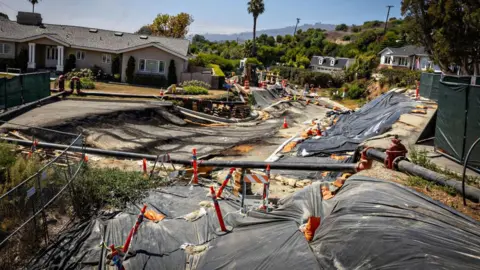
The situation in Altadena is a textbook example of a post-wildfire secondary disaster. When intense fires burn through vegetation, they destroy the root systems that hold soil in place. The fire can also alter the soil's composition, making it water-repellent. When subsequent rains fall, often in heavy winter storms, the water cannot penetrate the ground. Instead, it runs off rapidly, picking up ash, debris, and loose soil, transforming into destructive mudslides or debris flows that can bury homes, block roads, and claim lives.
For residents like the one in Altadena, surviving the fire is only the first hurdle. The following months require constant vigilance against weather forecasts. The psychological toll is significant, as the feeling of safety is delayed until the rainy season passes without incident. Communities in fire-prone areas must now plan for a two-stage disaster response: fire suppression followed by erosion and flood control.
Mitigation and Preparedness for Post-Fire Hazards
Addressing the mudslide threat requires proactive measures. Homeowners and local governments often employ tactics such as installing K-rails or sandbag barriers, planting fast-growing ground cover to stabilize soil, and constructing debris basins to catch flowing material. Public awareness campaigns are crucial to ensure residents understand evacuation orders for mudslide threats, which can come with little warning. This layered approach to disaster management highlights the need for long-term recovery planning that extends far beyond putting out the last ember.
A Hopeful Return: Flamingos in Florida
In stark contrast to the challenges in California, Florida is experiencing a welcome environmental phenomenon. Flamingos, once rare visitors, are being observed more regularly in the state's wetlands and coastal areas. This return is likely tied to a combination of factors, including conservation efforts, changing climate patterns, and the availability of suitable habitat. The presence of these iconic pink birds is a positive indicator for the health of Florida's aquatic ecosystems, which provide the brine shrimp and algae that flamingos filter from the water.
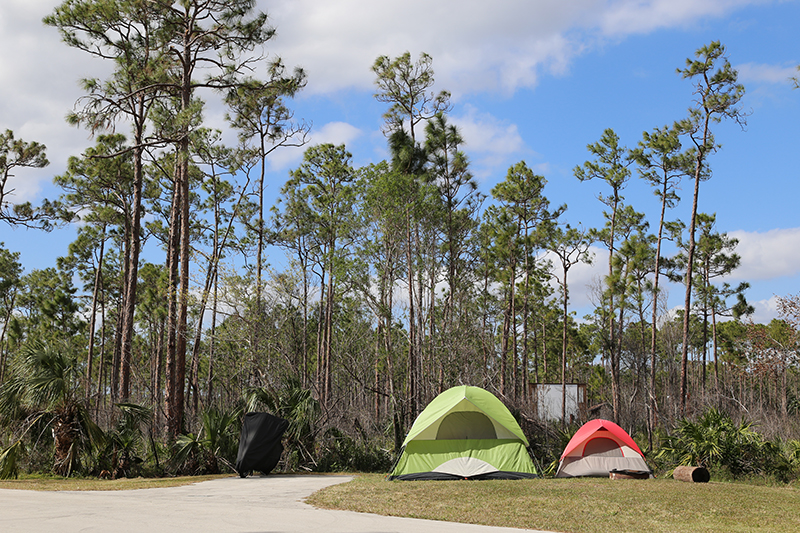
Their resurgence offers a moment of optimism and a reminder of nature's resilience when given a chance. It underscores the importance of protecting and restoring natural habitats, not only for the species that directly depend on them but for the cultural and aesthetic value they provide to people. Birdwatchers and nature enthusiasts have celebrated the sightings, which add to Florida's rich biodiversity.
Conclusion: Resilience and Recovery
The story from Altadena and the news from Florida represent two sides of our environmental reality. One illustrates the compounded vulnerabilities created by climate-linked disasters, where surviving one catastrophe merely sets the stage for the next. It calls for sophisticated, sustained community preparedness and infrastructure investment. The other story offers a glimpse of recovery and natural rebound, suggesting that with reduced pressures, wildlife can and does return. Together, they remind us that our interactions with the environment are complex, requiring both mitigation against its dangers and stewardship of its recoveries. The path forward involves building resilience against threats like mudslides while fostering the conditions for hopeful returns, like that of the flamingos.