Israel's Recognition of Somaliland Sparks International Condemnation
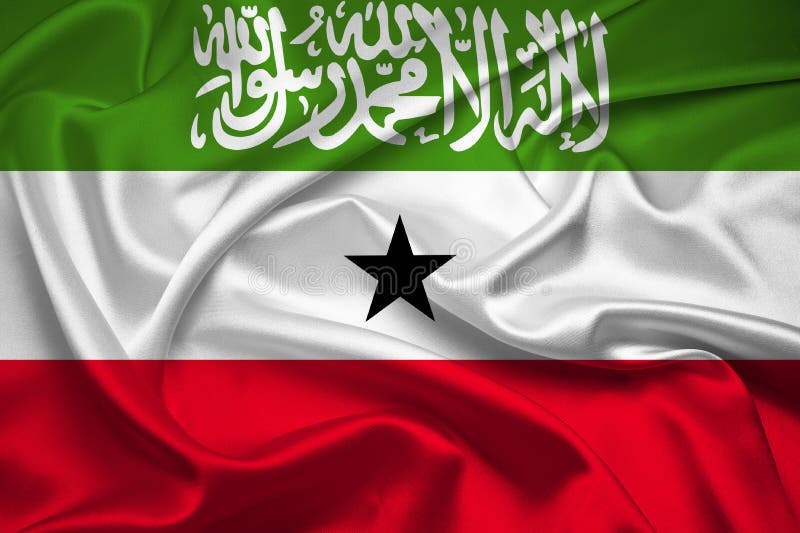
Israel's recent decision to formally recognize the breakaway region of Somaliland as an independent state has triggered widespread international criticism. This diplomatic move, ending over three decades of Somaliland's isolation, is viewed through the lens of regional geopolitics and strategic interests, particularly concerning the vital Bab al-Mandeb Strait. The recognition raises significant questions about sovereignty, international law, and the potential for further shifts in the Horn of Africa's political landscape.
In a significant and controversial diplomatic shift, Israel has extended formal recognition to Somaliland, a region that declared independence from Somalia in 1991. This decision, breaking over 30 years of near-universal international non-recognition for Somaliland, has been met with immediate and widespread condemnation from numerous states and international bodies. The move is not merely a bilateral gesture but a calculated geopolitical play with implications for regional security, maritime trade, and the fragile political equilibrium of the Horn of Africa.
Geopolitical Context and Strategic Motivations
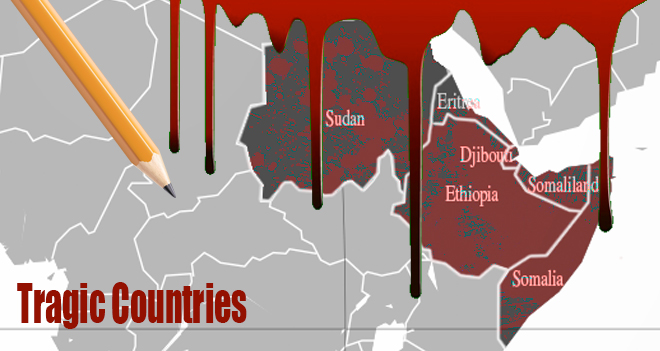
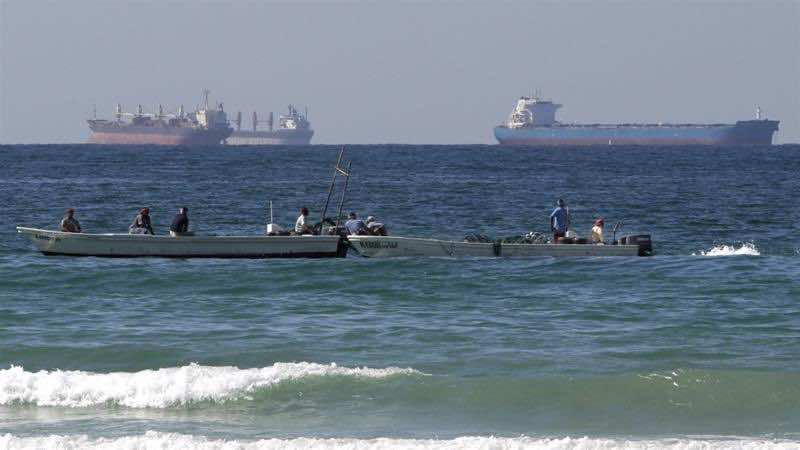
The recognition must be understood within the complex tapestry of Middle Eastern and African geopolitics. Israel's outreach to Somaliland is driven by tangible strategic interests, primarily centered on maritime security and intelligence gathering. As noted in analysis from Al Jazeera, Somaliland's location is of paramount importance. It sits adjacent to the Bab al-Mandeb Strait, a chokepoint through which an estimated one-third of global shipping passes en route to the Red Sea and the Suez Canal. Controlling or influencing this corridor is vital for energy security and naval operations.
For Israel, establishing a formal partnership with a governing entity in this location provides a potential foothold for monitoring maritime traffic, countering threats from hostile actors in the region, and securing its own trade routes. This aligns with Israel's broader strategy of building diplomatic and security ties with states across Africa and the Arabian Peninsula, often in opposition to Iranian influence and that of other regional rivals.
Sources of Widespread Condemnation
The international reaction has been sharply negative. The most vehement opposition comes from the Federal Government of Somalia, which maintains that Somaliland is an integral part of its sovereign territory. Mogadishu views Israel's recognition as a blatant violation of its sovereignty and a destabilizing act that undermines ongoing reconciliation efforts. The African Union (AU), which upholds the principle of the inviolability of colonial-era borders, is also likely to condemn the move, as it sets a precedent that could encourage other secessionist movements across the continent.
Furthermore, several Arab and Muslim-majority nations, which do not recognize Israel and support the Palestinian cause, have criticized the decision. They frame it as an attempt by Israel to gain influence in a Muslim-majority region and to further isolate Somalia. The broader international community, including major powers, is concerned about injecting a new flashpoint into an already volatile region, potentially exacerbating conflicts and complicating counter-piracy and counter-terrorism cooperation.
Implications and Future Scenarios
The immediate implication is a deepening of diplomatic fissures. Somalia has recalled its ambassador for consultations and is expected to lobby the AU, the Arab League, and the United Nations to reject Israel's move. A key question, as posed by analysts on Al Jazeera's Inside Story, is whether other nations will follow Israel's lead. While Somaliland has functioned as a de facto state with its own government, currency, and security forces, no UN member state had previously recognized it. Israel's action could encourage other countries with specific strategic or economic interests in the region to consider recognition, though most will likely remain cautious due to the potential backlash.
For Somaliland, recognition by Israel is a double-edged sword. It provides a major diplomatic victory and a break from isolation, potentially attracting investment and security cooperation. However, it also ties its fortunes closely to a globally controversial state, which may alienate potential partners in the Arab and Islamic world and complicate its relationship with neighboring African nations.
Conclusion
Israel's recognition of Somaliland is a high-stakes geopolitical maneuver that prioritizes strategic maritime interests over diplomatic convention. While it offers Somaliland a long-sought validation, it has ignited a firestorm of condemnation that underscores the enduring sensitivities surrounding territorial integrity in Africa and the Middle East. The move risks destabilizing the Horn of Africa, straining Israel's relations with the African Union, and provoking a strong reaction from Somalia and its allies. The coming months will reveal whether this represents an isolated bilateral shift or the beginning of a more significant realignment in the recognition of breakaway states, with profound consequences for international law and regional stability.