Russian Shelling of Sloviansk Kills One as Ukraine War Tensions Persist
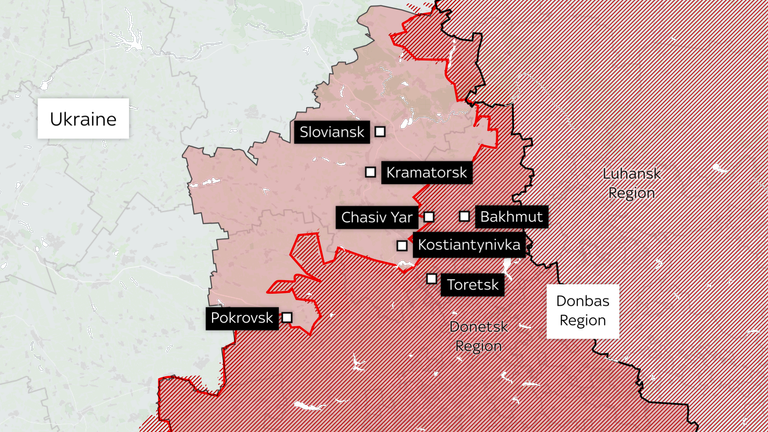
Russian forces shelled the eastern Ukrainian city of Sloviansk, resulting in at least one fatality and five injuries. This attack occurs amidst heightened geopolitical tensions, including recent talks between Ukrainian President Volodymyr Zelenskyy and US President Donald Trump, and Russian allegations of Ukrainian attempts to target President Vladimir Putin's residence. The incident underscores the ongoing volatility in the Donetsk region and the complex international dynamics surrounding ceasefire negotiations and military posturing in Europe.
The ongoing conflict in Ukraine witnessed another tragic episode as Russian artillery struck the city of Sloviansk in the Donetsk region. The attack, which resulted in at least one civilian death and five injuries, highlights the persistent violence in eastern Ukraine despite international diplomatic efforts. This incident occurs against a backdrop of significant geopolitical maneuvering, including high-stakes peace talks and escalating rhetoric between global powers.
Context of the Sloviansk Attack
The shelling of Sloviansk is not an isolated event but part of a broader pattern of military engagement in the Donbas. The city, a key urban center in Donetsk, has been a focal point of conflict since 2014. The recent attack underscores the fragile security situation on the ground, even as diplomatic channels are actively being pursued. The timing is particularly sensitive, following a meeting between Ukrainian President Volodymyr Zelenskyy and US President Donald Trump in Florida, where the future of US support and peace negotiations were discussed.
Geopolitical Reactions and Allegations
In the days preceding the Sloviansk attack, Russian officials made serious allegations that have further complicated the diplomatic landscape. Russia claimed that Ukraine attempted attacks on President Vladimir Putin's residence in the Novgorod region, allegations which Kyiv has firmly denied. Ukrainian officials characterized the claims as a pretext for Moscow to justify further military escalation and to derail peace negotiations. Russian Foreign Ministry spokesperson Maria Zakharova stated that “the response to Kyiv’s attacks will not be diplomatic”, signaling a potential hardening of Russia's negotiating position.
The US and International Stance
US President Donald Trump commented on the alleged attempt on Putin's residence, telling reporters he was “very angry” and that “I don’t like it. It’s not good.” He stated he was informed of the incident by Putin during a phone call. This development occurs as the Trump administration is actively pushing for a swift, albeit imperfect, plan to end the war, which reportedly includes conditions such as ensuring Ukraine never joins NATO and recognizing Russian control over occupied territories. Meanwhile, President Zelenskyy has been in communication with European allies, including German Chancellor Friedrich Merz and Latvian President Edgars Rinkevics, to update them on the outcomes of the Trump meeting and the state of peace talks.
Broader European Security Concerns
The war in Ukraine has triggered a fundamental reassessment of defense and recruitment strategies across Europe. Nations are grappling with how to bolster their military ranks in the face of perceived threats. As noted in recent reports, countries are adopting varied approaches:
- Germany has agreed on a new military service scheme with higher pay, aiming to increase troop numbers from 180,000 to 260,000.
- France plans to create a new voluntary youth military service by mid-2026, targeting 3,000 recruits initially.
- Poland is rolling out a large-scale voluntary military training programme aiming to train about 400,000 people in 2026.
These moves reflect a continent preparing for a prolonged period of strategic uncertainty, with Russian Foreign Minister Sergey Lavrov asserting that the West must “come to terms with the territorial realities on the ground.”
Path Forward and Conclusion
The attack on Sloviansk is a grim reminder that the human cost of the war continues to mount daily. While leaders engage in high-level diplomacy, the situation on the ground remains deadly for civilians. The path to a sustainable peace is fraught with challenges, including disputes over Ukraine's potential NATO membership, its neutral status, and the legitimacy of its government. With President Trump pressuring for a rapid settlement and European nations fortifying their defenses, the coming months will be critical in determining whether the conflict moves toward a negotiated end or enters a new, more volatile phase. The international community must balance the urgent need for a ceasefire with the imperative of upholding Ukraine's sovereignty and territorial integrity.