Read on bbc.com
Trump Administration Expands US Travel Ban to Include Five Nations and Palestinian Authority Passports
The Trump administration has announced a significant expansion of the US travel ban, imposing full entry restrictions on nationals from Burkina Faso, Mali, Niger, South Sudan, and Syria, as well as holders of Palestinian Authority-issued travel documents. Effective January 1, 2026, the policy is framed as a national security measure, citing concerns over foreign vetting systems, visa overstays, and a lack of cooperation on deportations. This marks the third iteration of the controversial ban, which continues to shape US immigration policy.
The landscape of US immigration policy has shifted once again with a significant expansion of the presidential travel ban. On December 17, 2025, the Trump administration announced it would impose full entry restrictions on nationals from five additional countries and individuals traveling on documents issued by the Palestinian Authority. This move, set to take effect on January 1, 2026, represents the latest chapter in a contentious policy first introduced in 2017, underscoring the administration's continued focus on stringent border controls and national security.

Scope of the Expanded Travel Restrictions
The newly announced policy imposes a full suspension of entry for individuals from Burkina Faso, Mali, Niger, South Sudan, and Syria. In a notable expansion, the ban also applies to "individuals travelling on Palestinian Authority issued or endorsed travel documents," as reported by the BBC. This is not merely an addition of new countries; the administration also moved Laos and Sierra Leone from a status of partial restrictions to the full ban list. Furthermore, partial restrictions—which typically limit certain visa categories—were placed on 15 other countries, including Nigeria, Tanzania, and Zimbabwe.
Rationale and National Security Justification
The White House stated the restrictions are intended "to protect the security of the United States." Officials provided a detailed rationale, pointing to systemic failures in screening and vetting systems overseas. According to the administration's assessment, the affected countries exhibit high visa overstay rates, unreliable civil documentation records, issues with corruption, the presence of terrorist activity, and a lack of cooperation in accepting their own nationals who are deported from the United States. The announcement was reportedly timed following the arrest of an Afghan national suspected in a shooting incident over the Thanksgiving weekend, which the White House cited to underscore its security concerns.
Policy Context and Historical Precedent
This expansion marks the third time President Trump has imposed a travel ban. The original 2017 order, often referred to as the "Muslim ban," sparked widespread protests and faced immediate legal challenges, eventually being upheld by the US Supreme Court in a narrow decision. The policy has evolved through several iterations, with countries being added or removed based on diplomatic negotiations and the administration's assessment of compliance. The White House has stated the new restrictions will remain in place until the affected countries demonstrate "credible improvements" in key areas such as identity management, information-sharing with US authorities, and cooperation on immigration enforcement.
Exceptions and Implementation Details
While the ban imposes broad restrictions, a number of key exceptions apply. It will not affect lawful permanent residents (green card holders), many existing visa holders, individuals with diplomatic visas, or athletes traveling to the US for major international sporting events. The administration also noted that case-by-case waivers would be available for individuals whose travel is deemed to be in the national interest or who can demonstrate exceptional circumstances. The policy is designed to be a flexible tool of diplomatic pressure as much as an immigration control measure.
Countries Subject to Full Entry Restrictions
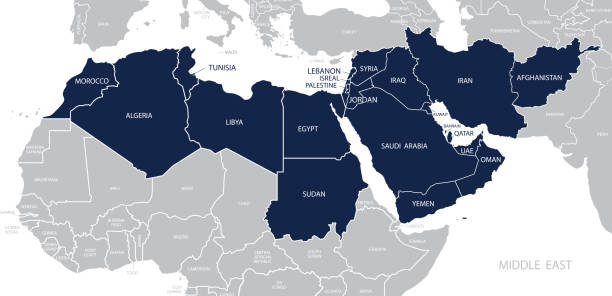
The updated list of countries under a full suspension of entry now includes: Afghanistan, Burkina Faso, Burma, Chad, Equatorial Guinea, Eritrea, Haiti, Iran, Laos, Libya, Mali, Niger, Republic of the Congo, Sierra Leone, Somalia, South Sudan, Sudan, Syria, and Yemen. The inclusion of Palestinian Authority document holders creates a unique, non-geographic category within the ban.
Conclusion and Broader Implications
The expansion of the travel ban reaffirms the Trump administration's commitment to a restrictive immigration framework centered on perceived national security threats. It continues a policy that has defined a significant aspect of US foreign and domestic policy for nearly a decade. The move will likely have immediate consequences for families, students, and business travelers from the affected regions, while also serving as a point of leverage in America's diplomatic relations. As with previous versions, this policy is poised to remain a focal point of political and legal debate surrounding the balance between security and openness in the United States.