Read on nature.com
A Glimpse into Nature's Archive: From Eddies to Earwigs
Nature's historical archive offers a fascinating window into the scientific curiosities and enduring questions of the past. A recent feature highlights two such moments: the poetic inquiry into the origins of eddies and the remarkable survival of an earwig within a vacuum tube. These archived snippets, while sometimes containing language or imagery that reflects their time, serve as important reminders of science's evolving narrative and the timeless wonder of natural phenomena. Exploring these archives connects current research with its historical roots, providing context and continuity to the scientific endeavor.
Scientific journals are not just repositories of current knowledge; they are living histories of inquiry, discovery, and sometimes, sheer curiosity. A recent feature from Nature's archive provides a compelling peek into this historical record, highlighting moments where poetry meets physics and resilience defies expectation. These archival glimpses, while products of their time, offer valuable perspective on the continuity of scientific questions and the enduring fascination with the natural world.
The Poetic Question of Eddies
The archive immortalizes a fundamental question about fluid dynamics in an unexpected form: verse. The inquiry into "where eddies come from" underscores how scientific curiosity has long been expressed through diverse mediums, including poetry. This blending of art and science reflects a historical approach to understanding complex natural phenomena, where descriptive and qualitative observations often paved the way for rigorous quantitative analysis. The very fact that this question was deemed worthy of poetic contemplation highlights its perceived importance and the mystery surrounding turbulent flow in earlier scientific periods.
A Test of Resilience: The Earwig in the Vacuum
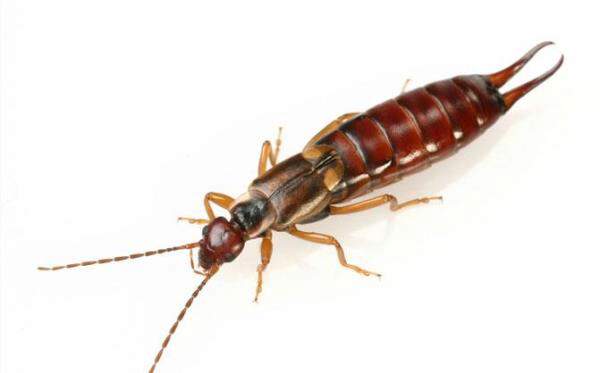
In a more peculiar note, the archive recounts the story of an earwig emerging "remarkably unscathed" from inside a vacuum tube. This anecdote, while perhaps seeming minor, touches on themes of organismal toughness and survival under extreme conditions—a precursor to modern studies in extremophiles and material science. The incident likely sparked discussions about the limits of biological endurance and the engineering of sealed environments, themes that remain relevant in fields from aerospace to pest control.
The Nature of the Scientific Archive
As noted in the source material from Nature, engaging with historical archives requires contextual awareness. The archive, by its nature, includes content that may not align with contemporary standards, offering a direct look at the language, priorities, and social context of past science. This does not diminish its value but rather enhances its role as an honest record of the scientific journey. It allows modern readers to trace the evolution of ideas, methodologies, and scientific communication, understanding today's knowledge as part of a longer, sometimes imperfect, narrative.
Why Historical Context Matters in Science
Exploring archives like Nature's is more than an academic exercise. It provides crucial context for current research, showing how questions are refined, methods are improved, and societal perspectives shift. It reminds us that science is a cumulative, self-correcting process built by generations of researchers. For students, educators, and practicing scientists, these historical touchstones can inspire new questions, offer humility, and create a deeper connection to the discipline's heritage.

In conclusion, the brief look into Nature's archive—from the poetic mystery of eddies to the hardy earwig—serves as a powerful reminder of science's rich tapestry. These stories connect the past and present, illustrating that the drive to understand and document the wonders of the natural world is a constant, even as our tools and sensitivities evolve. For anyone engaged in or simply curious about science, such archives are invaluable resources, offering both knowledge and a profound sense of continuity in the great human endeavor of discovery.