Your Social Circle's Genes May Shape Your Gut Health: New Research Reveals
Groundbreaking research on thousands of laboratory rats reveals a surprising connection: your gut microbiome is influenced not only by your own genetics but also by the genes of those you live with. The study, published in Nature Communications, demonstrates that certain genes promote specific gut bacteria that can spread through social contact. This 'indirect genetic effect' suggests that genetic influences on health may be significantly underestimated, as genes can shape the biology of others without exchanging DNA. The findings open new avenues for understanding the complex interplay between genetics, social environment, and human health.
The intricate ecosystem of microbes living in our digestive tract, known as the gut microbiome, has long been recognized as a crucial player in human health. While diet and environment are known major influencers, a landmark study published in Nature Communications reveals a more complex genetic story. Research led by scientists at the Centre for Genomic Regulation in Barcelona demonstrates that the genes of your social partners—roommates, family members, or close contacts—can significantly shape the bacterial communities in your own gut. This discovery of "indirect genetic effects" challenges our understanding of how genetics influence health and suggests a novel mechanism where genes affect others through microbial sharing.
The Study: Unraveling Genetics in a Controlled Environment
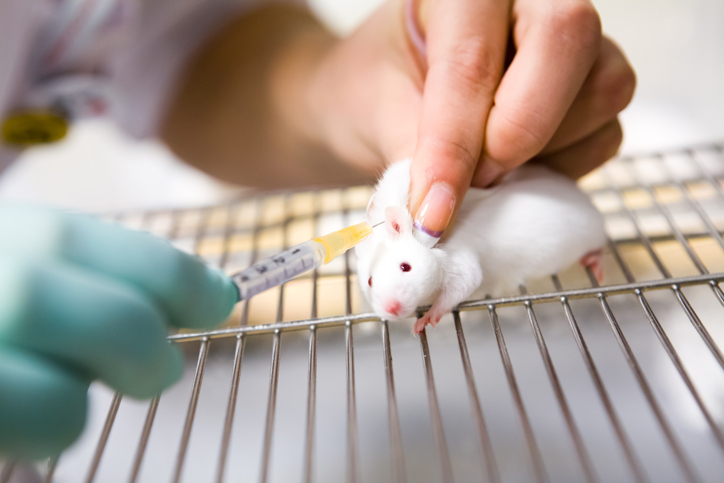
To overcome the challenges of separating genetic from environmental factors in human studies, researchers turned to a large-scale animal model. The team analyzed more than four thousand genetically unique rats housed in four separate cohorts across different facilities in the United States. Crucially, all rats were fed identical diets, allowing scientists to isolate genetic influences from dietary variables. By combining comprehensive genetic data with detailed microbiome profiles, the research aimed to identify consistent genetic links to gut bacteria across diverse living conditions.
Key Genetic Discoveries
The study successfully identified three specific genetic regions that consistently influenced gut bacteria across all rat cohorts, a significant finding given the historical difficulty in proving such links. The strongest association involved the gene St6galnac1, which modifies the gut's mucus lining by adding sugar molecules. This gene was linked to higher levels of Paraprevotella, a bacterium thought to feed on these sugars. A second genetic region contained several mucin genes responsible for building the gut's protective mucus layer and was associated with bacteria from the Firmicutes group. The third region included the Pip gene, which produces an antibacterial molecule, and was linked to bacteria from the Muribaculaceae family.

The Social Spread of Genetic Influence
The most revolutionary aspect of the research was the quantification of indirect genetic effects. The researchers developed a sophisticated computational model to distinguish between the influence of a rat's own genes on its microbiome and the influence of the genes of its cage mates. They discovered that the abundance of certain Muribaculaceae bacteria was shaped by both direct and indirect genetic pathways. This means that an individual's genes can promote specific microbes, which then spread to social partners, thereby affecting their gut ecology.
When these social transmission effects were incorporated into the statistical model, the estimated genetic influence on the identified gene-microbe links increased dramatically—by four to eight times. As senior author Dr. Amelie Baud noted in the study summary, "We've probably only uncovered the tip of the iceberg. These are the bacteria where the signal is strongest, but many more microbes could be affected." This suggests that traditional genetic studies, which ignore social transmission, may be vastly underestimating the true genetic contribution to microbiome composition.
Implications for Human Health and Disease
The implications of this research extend far beyond rodent biology. The rat gene St6galnac1 is functionally related to the human gene ST6GAL1, which has also been associated with Paraprevotella in previous research. This points to a potential shared biological mechanism across species where genes that modify the gut environment determine which microbial tenants thrive.
The study proposes several fascinating connections to human health. Paraprevotella has been shown to degrade digestive enzymes that viruses like SARS-CoV-2 use to infect host cells. This raises the hypothesis that genetic variation in ST6GAL1 could influence Paraprevotella levels and, consequently, an individual's susceptibility to viral infections, potentially explaining some cases of breakthrough COVID-19 in vaccinated individuals. Furthermore, the research suggests a possible link to IgA nephropathy, an autoimmune kidney disease, where Paraprevotella might alter gut antibodies that subsequently damage the kidneys.

Conclusion: Rethinking Genetics and Social Health
This research fundamentally alters our understanding of how genetics operate within a social context. It demonstrates that genes can exert influence beyond the individual, spreading their effects through microbial communities shared in close-contact environments. This has profound implications for population health studies, disease risk assessment, and our conception of heredity. If similar processes are confirmed in humans, it means that an individual's health may be partially shaped by the genetic makeup of their household, social circle, or community. The study underscores the deep interconnection between our biology and our social world, suggesting that health is not merely a personal trait but a shared characteristic influenced by the genes of those around us.