New Study Reveals Weight Loss Not Essential for Diabetes Prevention
A groundbreaking study from Tübingen researchers challenges conventional diabetes prevention wisdom, showing that prediabetic individuals who normalize blood sugar through healthy lifestyle changes—even without weight loss—can reduce their type 2 diabetes risk by 71%. The research emphasizes that improved fat distribution, particularly reduced abdominal fat, plays a more crucial role than the number on the scale. These findings could reshape clinical guidelines and offer new hope for millions struggling with prediabetes worldwide.
A paradigm shift is underway in diabetes prevention, as new research from the University Hospital of Tübingen reveals that weight loss may not be the essential component for reducing type 2 diabetes risk that medical professionals have long believed. The groundbreaking study demonstrates that normalizing blood sugar levels through healthy lifestyle interventions provides substantial protection against diabetes development, regardless of whether individuals lose weight.

Study Methodology and Key Findings
The comprehensive analysis involved over 1,100 study participants with prediabetes who underwent lifestyle interventions focused on healthy eating and increased physical activity. Remarkably, 234 participants either maintained their weight or gained weight during the one-year study period, yet approximately 22% of this group successfully normalized their blood sugar levels. When researchers tracked these individuals for up to nine additional years, they discovered a 71% reduction in type 2 diabetes incidence among those who achieved normal blood sugar without weight loss—nearly identical to the 73% risk reduction observed in participants who lost weight.
The Critical Role of Fat Distribution
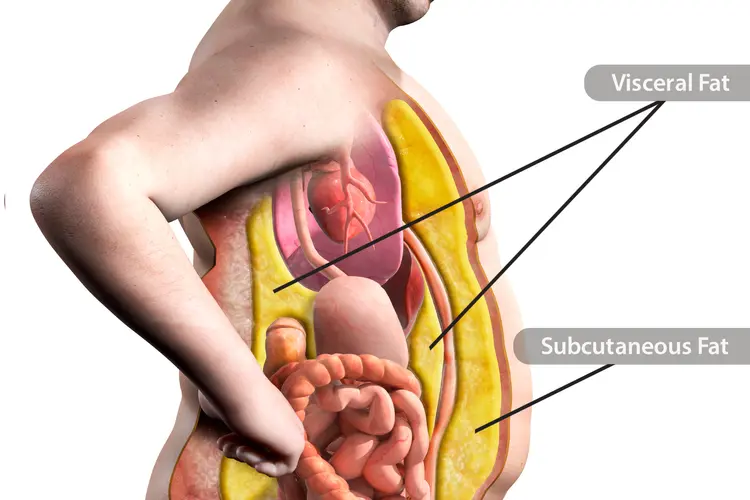
The research team from the German Center for Diabetes Research (DZD) identified fat distribution as the key factor explaining these surprising results. Specifically, they examined the relationship between visceral fat (the dangerous fat surrounding internal organs) and subcutaneous fat (the less harmful fat located just beneath the skin). Study participants who normalized their blood sugar without weight loss demonstrated improved fat distribution patterns, with significantly reduced abdominal fat compared to those whose blood sugar remained in the prediabetes range.
Clinical Implications and Future Guidelines
Professor Dr. Andreas Birkenfeld, the study leader and director of the Institute for Diabetes Research and Metabolic Diseases at Helmholtz Munich, emphasizes that "restoring a normal fasting blood sugar level is the most important goal in preventing type 2 diabetes and not necessarily the number on the scale." This research suggests that future clinical guidelines should incorporate target glycemic values alongside weight reduction targets, potentially making diabetes prevention more accessible to individuals who struggle with weight loss but can still adopt healthier lifestyle habits.
The findings offer hope for the millions of adults worldwide living with prediabetes—estimated to affect approximately one in ten adults, with actual numbers likely higher due to underdiagnosis. By shifting focus from weight-centric approaches to blood sugar normalization through sustainable lifestyle changes, healthcare providers may help more people avoid progressing to full-blown type 2 diabetes and its serious complications, including cardiovascular disease and cancer.