Trump Imposes New Sanctions on Russian Oil Companies Amid Ukraine Peace Efforts
President Trump has taken a significant step in his second term by imposing major new sanctions on Russia's two largest oil companies, Rosneft and Lukoil. The Treasury Department announced these measures, accusing Russia of not taking Trump's pursuit of peace in Ukraine seriously. These sanctions target Russia's primary revenue source and represent the first major sanctions imposed on Russia during Trump's current term, marking a notable shift in approach to the ongoing conflict.
In a significant policy shift, President Trump has imposed new sanctions on Russia's energy sector, targeting the country's two largest oil companies. This move represents the first major sanctions against Russia during Trump's second term and comes amid ongoing efforts to broker peace in Ukraine. The Treasury Department announced the sanctions specifically against Rosneft and Lukoil, accusing Russian President Vladimir Putin of not taking Trump's peace initiatives seriously.
Sanctions Target Russia's Economic Backbone
The sanctions specifically target Rosneft and Lukoil, Russia's two largest oil companies. This strategic move aims to impact Russia's primary revenue source, as oil and gas exports constitute the backbone of the Russian economy. By restricting these companies' ability to conduct international business, the sanctions are designed to reduce Russia's financial capacity to continue its military operations in Ukraine.
The Treasury Department's announcement makes it clear that these measures are a direct response to Russia's perceived lack of commitment to peace negotiations. The sanctions will make it more difficult for international banks to conduct business with these Russian energy giants and complicate insurance coverage for transactions involving these companies. This could lead to reduced Russian energy exports and potentially force Russia to lower prices for its oil and gas, further diminishing revenue.

Timing and Political Significance
The timing of these sanctions is particularly noteworthy, coming just days after President Trump met with Ukrainian President Volodymyr Zelenskyy in the Oval Office. During that meeting, Trump notably refused to provide long-range weapons to Ukraine and appeared to pressure Zelenskyy toward territorial concessions. The subsequent imposition of sanctions represents a complex diplomatic approach that combines pressure on both sides of the conflict.
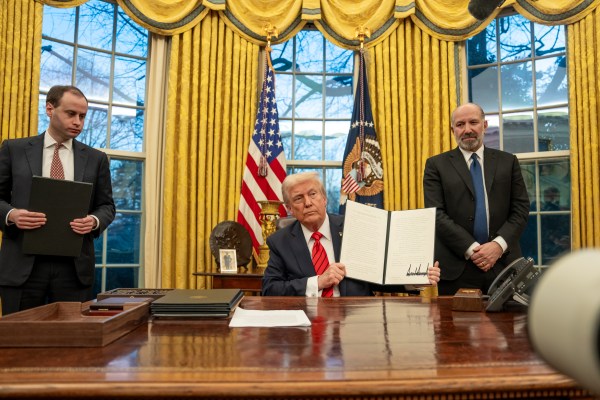
President Trump commented on the sanctions during an Oval Office appearance, stating, "Today is a very big day in terms of what we're doing. Look, these are tremendous sanctions. These are very big. Those are against their two big oil companies. I think they want peace. I think they both want peace at this point." This statement reflects the administration's positioning of the sanctions as a peace-enforcing measure rather than purely punitive action.
Broader Policy Context
The sanctions announcement coincides with other significant policy shifts regarding Ukraine. The Trump administration has recently lifted restrictions that previously limited Ukraine's ability to use Western weapons, including British and French systems, to strike targets inside Russia. This policy change, confirmed by U.S. officials following a Wall Street Journal report, enables Ukraine to utilize intelligence provided by the United States to target Russian oil and gas facilities.
This dual approach—imposing economic pressure on Russia while enabling Ukrainian defensive capabilities—represents a more assertive stance than previously demonstrated during Trump's second term. The administration's willingness to take these steps suggests a recalibration of its Ukraine strategy amid ongoing hostilities and failed peace initiatives.

Conclusion
The imposition of sanctions on Russia's major oil companies marks a significant development in the Trump administration's approach to the Ukraine conflict. By targeting Russia's primary revenue source, these measures represent the most substantial economic pressure applied to Russia during Trump's current term. The timing, following recent diplomatic engagements with Ukraine and amid ongoing military actions, suggests a strategic attempt to leverage economic tools to advance peace negotiations. As the conflict approaches its fourth year, these sanctions signal a potentially new phase in U.S. involvement and diplomatic efforts to resolve the ongoing crisis.