Read on PBS News
China Sanctions U.S. Defense Firms Over $10 Billion Taiwan Arms Sale
China has imposed sanctions on 20 U.S. defense companies and 10 executives in response to a major American arms-sale package to Taiwan valued at over $10 billion. The move, which includes asset freezes and business bans, underscores the escalating tensions between Washington and Beijing over the self-ruled island, which China claims as its own territory. This article examines the details of the sanctions, the geopolitical context of the U.S.-Taiwan defense relationship, and the potential implications for one of the world's most critical diplomatic flashpoints.
The announcement of a significant U.S. arms-sale package to Taiwan has triggered a sharp diplomatic and economic response from China, marking a new escalation in the long-standing tensions over the island's status. In retaliation for the proposed $10 billion weapons deal, Beijing has imposed comprehensive sanctions against major American defense contractors and their executives, freezing assets and banning business dealings within China. This confrontation highlights the Taiwan question as a central, volatile issue in U.S.-China relations, with both sides demonstrating a firm commitment to their respective positions.
The Sanctions: Scope and Targets
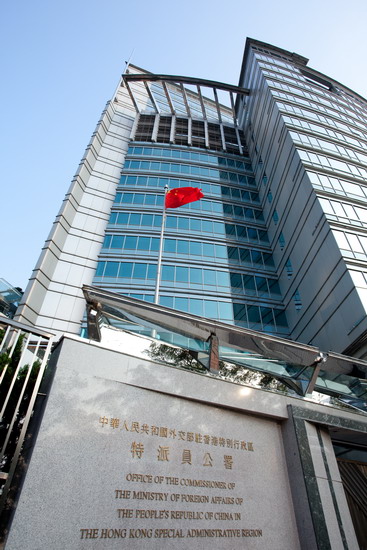
On December 26, 2025, the Chinese foreign ministry announced sanctions against 20 U.S. defense-related companies and 10 of their executives. The measures, as reported by the Associated Press, involve freezing the companies' assets within China and prohibiting both individuals and organizations from engaging in any business or transactions with them. This represents a direct punitive action aimed at the American defense industrial base.
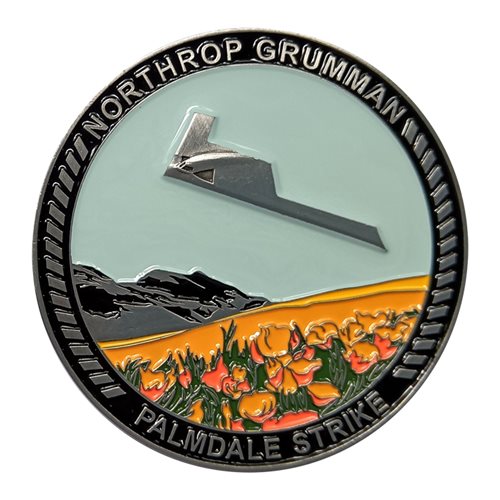
The sanctioned entities include prominent names in the U.S. defense sector. Northrop Grumman Systems Corporation, L3Harris Maritime Services, and Boeing's operations in St. Louis were specifically named. Among the executives targeted is Palmer Luckey, the founder of defense technology firm Anduril Industries. These individuals are now barred from entering China and conducting business there, with their assets in the country subject to seizure.
The Catalyst: The U.S. Arms-Sale Package
The sanctions are a direct response to the U.S. State Department's notification to Congress regarding a potential arms-sale package to Taiwan. Valued at more than $10 billion, the package has drawn what the Chinese foreign ministry termed an "angry response." If approved by the American Congress, this would constitute the largest-ever U.S. weapons transfer to Taiwan.
China's position is unequivocal: it claims sovereignty over Taiwan and insists the island must eventually come under Beijing's control. The Chinese government views any foreign arms sales to Taiwan as a severe violation of its core interests and a breach of diplomatic understandings with the United States. In its statement, the ministry emphasized that "the Taiwan question is at the very core of China's core interests and the first red line that must not be crossed in China-U.S. relations." It further warned that "any company or individual who engages in arms sales to Taiwan will pay the price for the wrongdoing."
Geopolitical Context and Rising Tensions
Taiwan remains a major flashpoint in U.S.-China relations, with many analysts concerned it could erupt into a military conflict between the two global powers. The United States operates under the Taiwan Relations Act and other federal laws, which create an obligation to provide Taiwan with the means to defend itself. This policy of supporting Taiwan's self-defense capability has become increasingly contentious as China's military power and regional assertiveness have grown.
In recent years, China's People's Liberation Army has significantly increased its operational presence around Taiwan. This includes holding near-daily joint drills with warships and fighter jets in the skies and waters adjacent to the island, actions seen as both a show of force and a rehearsal for potential conflict. The U.S. arms sales are interpreted by Beijing as emboldening pro-independence sentiments in Taiwan and undermining the prospect of peaceful reunification.

Broader Implications for U.S.-China Relations
The sanctions over Taiwan add another layer of strain to an already complex bilateral relationship. Ties between Washington and Beijing are already fraught with disputes over trade practices, technology competition, and human rights issues. The defense sanctions signal a willingness by China to employ economic statecraft as a tool to punish perceived infringements on its sovereignty, directly targeting corporate entities involved.
For the sanctioned U.S. companies, the immediate impact may be limited if their direct business with China is minimal. However, the action sets a precedent and could deter future engagement or complicate global supply chains. Diplomatically, the move underscores the diminishing room for maneuver on the Taiwan issue. The Chinese foreign ministry's statement urging the U.S. to stop "the dangerous moves of arming Taiwan" reflects a hardening stance, leaving little apparent space for compromise on this fundamental principle.
Conclusion
China's sanctions against U.S. defense firms represent a calibrated but firm retaliation against American military support for Taiwan. By targeting specific companies and executives, Beijing aims to create tangible consequences for actions it deems hostile to its national unity. This episode reinforces that Taiwan remains the most sensitive and potentially destabilizing issue in U.S.-China relations. As both powers continue to navigate their strategic rivalry, the risk of miscalculation around Taiwan persists, with economic measures like sanctions becoming a key instrument in this high-stakes geopolitical contest. The path forward requires careful diplomacy to manage tensions, but the latest developments suggest the red lines are becoming brighter and the penalties for crossing them, more severe.