US Drastically Cuts UN Humanitarian Aid to $2 Billion, Marking a Major Policy Shift
The United States has announced a dramatic reduction in its United Nations humanitarian assistance, committing only $2 billion for the coming period. This represents a sharp decline from contributions of up to $17 billion in recent years, signaling a profound shift in U.S. foreign aid policy under the Trump administration. The new funding will be directed as a targeted pool for specific crises, initially focusing on 17 countries, while excluding others like Afghanistan and Palestine. This move has sparked widespread concern among aid agencies about the dire humanitarian consequences for millions of vulnerable people worldwide.
The landscape of global humanitarian aid is undergoing a seismic shift, with the United States announcing a drastic reduction in its financial contributions to United Nations relief efforts. The new commitment of just $2 billion marks a stark departure from America's traditional role as the UN's leading funder, where contributions recently reached as high as $17 billion annually. This policy change, driven by the Trump administration's demand for reforms and a downsized role in foreign aid, is set to have profound implications for millions of people facing crises around the world.
The Scale of the Reduction
The announced $2 billion commitment represents a fraction of previous U.S. funding levels. According to U.S. officials, America has provided up to $17 billion in UN humanitarian assistance in recent years, with approximately $8 to $10 billion of that coming from voluntary contributions. The new funding model creates a targeted pool that can be directed at specific countries or crises, rather than the broader, more comprehensive funding approach of the past.
Targeted Approach and Exclusions
The $2 billion pool will initially target 17 specific countries, including Bangladesh, the Democratic Republic of the Congo, Haiti, Syria, and Ukraine. Notably absent from this list are Afghanistan and Palestine. Officials indicate that Palestine will be covered by funds included in President Trump's yet-to-be-completed Gaza plan, while Afghanistan's exclusion represents a significant change in U.S. humanitarian priorities.
Broader Context of Western Funding Cuts
This U.S. reduction occurs within a broader trend of Western countries pulling back from international humanitarian commitments. Earlier this month, the UN launched a 2026 appeal for $23 billion—only half of what it estimates is needed—as the extent of Western funding losses became clear. The UN had previously warned in June that it would be forced to enact substantial program reductions amid what it described as "the deepest funding cuts ever" to the international aid sector.
Administrative Rationale and UN Response
A senior U.S. official, speaking anonymously to The Associated Press, explained that the $2 billion is part of a broader plan that will see the UN Office for the Coordination of Humanitarian Affairs (OCHA) "control the spigot" of funds. The Trump administration wants to see "more consolidated leadership authority" among UN agencies. Despite previous criticisms of international "apathy" toward ballooning humanitarian needs, OCHA chief Tom Fletcher appeared to praise the $2 billion deal, telling the AP that the U.S. is "demonstrating that it is a humanitarian superpower."
Humanitarian Consequences and Warnings
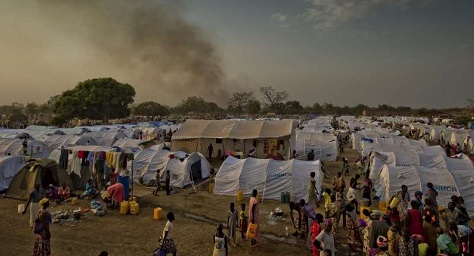
The reduction in U.S. funding comes amid sharp criticism from humanitarian organizations about the dramatic aid reductions under the Trump administration. Critics warn that these cuts are already leading to increased deaths and hunger as millions around the world lose access to shelter, sustenance, and other essential aid. The fallout has been particularly swift across the Middle East, South Asia, and Africa.
In July, the UN High Commissioner for Refugees (UNHCR) reported that more than 11 million refugees would lose access to aid. At that time, the agency had received just 23 percent of its $10.6 billion budget and expected an overall budget of only $3.5 billion by year's end to meet the needs of 122 million people. Specific consequences include the risk of collapsing basic services for Rohingya refugees in Bangladesh and the expected suspension of education for more than 230,000 Rohingya children.

Broader Systemic Impact
The Trump administration has effectively dismantled the U.S.'s primary platform for foreign aid, the U.S. Agency for International Development (USAID), while calling upon UN agencies to "adapt, shrink or die" in response to its approach. Other Western countries, including Germany, have also slashed their funding contributions. The cumulative effect has created what aid agencies describe as a perfect storm of reduced resources amid growing global needs.
The same month that UNHCR issued its warning, the UN predicted a surge in HIV/AIDS deaths by 2029 due to funding withdrawals. Meanwhile, the French charity Doctors Without Borders reported that more than 650 children had died from malnutrition in Nigeria as a direct result of international aid cuts. These examples illustrate the human cost of the funding reductions that are now being institutionalized through the new $2 billion commitment.
Conclusion: A New Era in Humanitarian Aid
The U.S. decision to reduce UN humanitarian assistance to $2 billion represents more than just a budgetary adjustment—it signals a fundamental rethinking of America's role in global humanitarian efforts. While the targeted approach may allow for more strategic allocation of resources, the dramatic reduction in overall funding raises serious concerns about the international community's ability to respond to growing humanitarian crises. As Western countries continue to pull back from traditional funding roles, the UN and humanitarian organizations face unprecedented challenges in meeting the needs of vulnerable populations worldwide. The coming years will test whether this new model of targeted, reduced funding can effectively address global humanitarian needs or whether it will lead to further suffering and instability in crisis-affected regions.