The Saltshaker Habit: New Research Reveals Gender Differences in Salt Consumption Among Older Adults
A large study published in *Frontiers in Public Health* analyzed data from over 8,300 older adults in Brazil to explore who is most likely to add extra salt at the table. The researchers found that men are more frequent salt-adders than women, but women's salt-shaking behavior is closely tied to lifestyle factors such as diet and urban living. These findings offer important insights for tailoring public health campaigns to reduce sodium intake and its associated health risks, including high blood pressure, heart disease, and cognitive decline.
For centuries, salt has been an essential part of the human diet, used both to enhance flavor and preserve food. Yet, in modern times, excessive salt consumption has become a significant public health concern. A new study published in Frontiers in Public Health sheds light on a surprising and persistent habit among older adults in Brazil: adding extra salt at the table.

The study, which analyzed survey data from over 8,300 Brazilians aged 60 and older, found that this habit is more common among men, but women's salt-adding behavior appears to be more strongly influenced by their overall lifestyle and diet. These gender-specific patterns could have important implications for designing more effective public health strategies.
Gender and Salt-Adding Habits: Key Findings
The researchers, led by Dr. Flávia Brito and Dr. Débora Santos from Rio de Janeiro State University, discovered that 12.7% of men reported routinely adding salt to their meals, compared with 9.4% of women. While this difference is notable, the factors driving the habit varied significantly between the sexes.
Men: Predictors Were Few and Direct
Among men, the study identified only two key factors associated with adding extra salt. Men who were following a special diet to manage high blood pressure were less than half as likely to add salt compared to those who were not. Additionally, men living alone were 62% more likely to add salt than those living with others. This suggests that for men, the habit may be less about dietary awareness and more about routine or circumstance.
Women: A Complex Picture Tied to Diet and Lifestyle
For women, the patterns were more intricate. Those who were not following a diet for high blood pressure had 68% higher odds of adding extra salt. Interestingly, women living in urban areas were twice as likely to add salt as those in rural settings. The same increased likelihood was observed among women who frequently consumed ultra-processed foods.
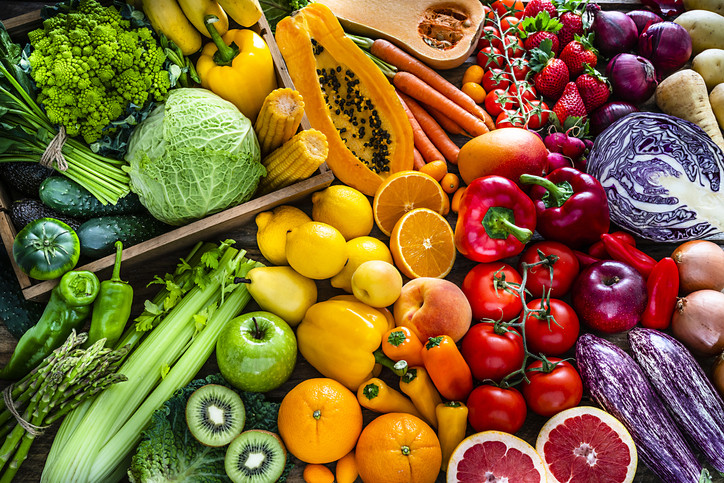
Conversely, women who regularly ate fruits were 81% less likely to add salt, and those who commonly consumed vegetables were 40% less likely to do so. These findings indicate that women's salt-adding behavior is embedded in a broader pattern of dietary choices and lifestyle factors, including their environment and overall nutritional quality.
Health Implications of Excessive Salt Intake
The World Health Organization recommends that adults consume no more than five grams of salt per day, yet many exceed this limit. While most dietary salt comes from processed and prepared foods, adding salt at the table still contributes between 6% and 20% of total intake. Over time, high sodium consumption can lead to serious health issues, including high blood pressure, heart disease, kidney disease, and accelerated cognitive decline.
Understanding who is adding extra salt and why is a critical step toward reducing these risks. The study's authors emphasize that their findings do not establish cause-and-effect relationships, and self-reported data may carry inaccuracies. However, the patterns are clear enough to inform public health messaging.
Practical Strategies for Reducing Salt Intake
The researchers suggest that public health campaigns should be tailored to different groups. For men, the focus might be on breaking the routine habit, perhaps by limiting the presence of saltshakers on the table. For women, the approach could involve promoting overall dietary quality, such as encouraging fruit and vegetable consumption and reducing ultra-processed foods.
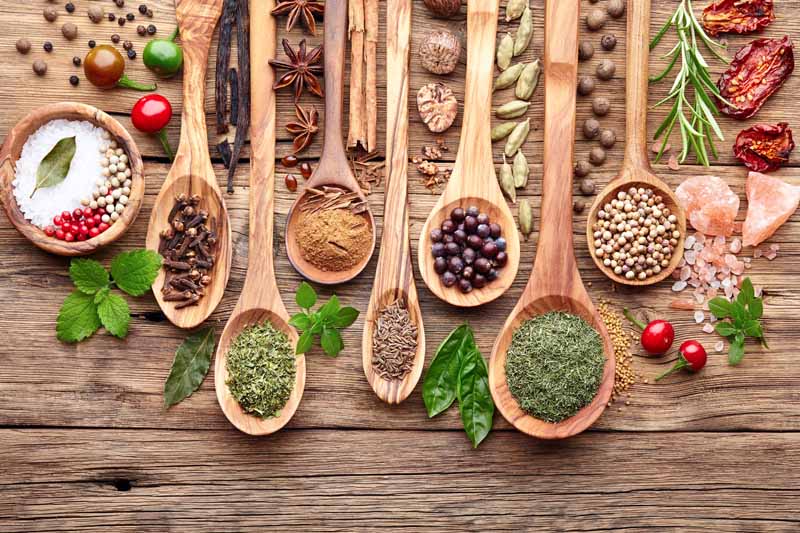
"The use of herbs and natural seasonings as alternatives to salt or culinary techniques such as using the acidity of citrus fruits may help reduce discretionary salt use while maintaining food palatability," concluded co-author Dr. Débora Santos.
Simple changes, like removing the saltshaker from the table or substituting salt with herbs, spices, or citrus zest, can make a meaningful difference. These strategies are not only effective but also help preserve the enjoyment of food.
Broader Implications for Public Health
The study reinforces the need for a multi-faceted approach to reducing salt consumption. Beyond individual habits, the researchers point to the importance of reducing sodium levels in industrialized and ultra-processed foods, which are major contributors to overall intake. Public health policies that target both the food industry and individual behavior are essential.
Because salt-adding behavior varies by gender and lifestyle, tailored interventions can be more effective. For example, community programs might offer workshops on salt-free cooking techniques for women, while public awareness campaigns could target men with messages about heart health and the risks of routine salt addition.
As the global population ages, understanding these nuanced habits becomes increasingly important. With the World Health Organization's guidelines in mind, encouraging older adults to reduce their salt intake could have a substantial impact on public health, reducing the burden of chronic diseases and supporting healthier aging.
Conclusion
This study from Brazil offers a compelling look into the everyday habit of adding salt to food. While men appear to be more frequent salt-adders, women's behavior is more deeply intertwined with their overall diet and lifestyle. By recognizing these differences, public health campaigns can become more targeted and effective, helping people make small but meaningful changes to protect their health. Whether through removing the saltshaker from the dining table or embracing fresh herbs and citrus, reducing salt intake is a simple step with profound benefits.