Read on the Guardian
WHO Calls for Community Cooperation to Contain Ebola Outbreak in DRC
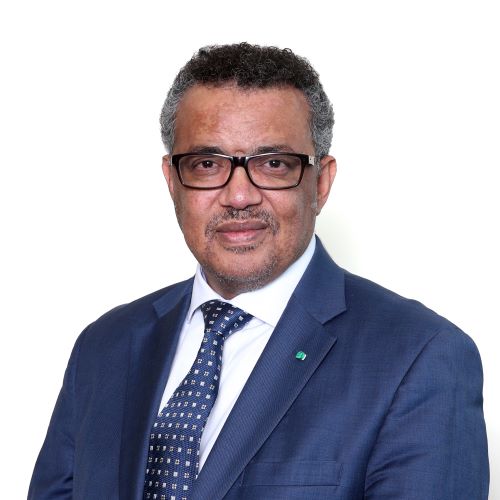
The World Health Organization has urged community cooperation to contain the Ebola outbreak in the Democratic Republic of Congo, following protests against medical protocols for handling victims' bodies. WHO Director General Tedros Adhanom Ghebreyesus made the appeal during a visit to eastern Congo, emphasizing that containing the virus is a shared responsibility. The outbreak, caused by the Bundibugyo virus strain, has recorded over 900 suspected cases and 200 suspected deaths in the DRC, with confirmed cases also reported in neighboring Uganda. Health officials face challenges including armed conflict in the Ituri region and community resistance to burial protocols.
The World Health Organization has emphasized that community cooperation is essential to containing the Ebola outbreak in the Democratic Republic of Congo. During a recent visit to eastern Congo, WHO Director General Tedros Adhanom Ghebreyesus made a direct appeal to local communities, stating that fighting the virus is "everybody's business." This call comes after protests in Ituri province against stringent medical protocols for handling victims' bodies, which some residents say violate local burial rites. These tensions have been linked to at least three attacks against health centers in the region.
The current outbreak is driven by the Bundibugyo virus strain, for which there is no available vaccine. However, as Ghebreyesus noted, infected individuals can recover if they seek medical support early. "If you come to health facilities when you have symptoms, you can get the support and recover, so the key is to come forward as early as possible and to get the necessary support," he said. This message was reinforced during the opening of a new treatment centre in Bunia, the capital of Ituri province, which is at the epicenter of the outbreak.
Current Status of the Outbreak
According to WHO data, the organization has recorded 906 suspected cases and 223 suspected deaths in the DRC. Confirmed cases have increased to 282, with 42 deaths, following 19 new positive test results. Neighboring Uganda has also been affected, with authorities there confirming nine cases and one death. The outbreak has been declared a Public Health Emergency of International Concern by the WHO, marking the 17th recorded Ebola epidemic in the country since the disease was first identified there in 1976.

Health officials have reported some positive developments. Five patients had recently recovered, with four others scheduled for discharge. The WHO chief confirmed that patients are responding to supportive care when they present early. However, the medical charity Médecins Sans Frontières has warned that the disease's spread is "deeply alarming," with deputy director Alan Gonzalez stating that "never before had so many cases been recorded so soon." MSF teams are "witnessing a response that has not yet caught up to the rapid spread of the epidemic."
Challenges in Containment Efforts
The outbreak response faces multiple challenges. Fighting between rival armed groups in the mineral-rich Ituri region has complicated relief efforts, prompting Ghebreyesus to call for a ceasefire. "No cause, no conflict, no grievance is worth condemning innocent people to death from a preventable disease," he said. Additionally, health workers have complained about a lack of basic supplies such as masks.
International Response
International support is beginning to arrive. Medical aid donated by the European Union reached Ituri last week, and the United States announced an additional $80 million in aid, raising its total commitment to $112 million. The Africa Centres for Disease Control and Prevention has stressed that national incident systems must be activated rapidly and that investments in pandemic preparedness must become permanent. Jean Kaseya, the director general of Africa CDC, emphasized that "Africa’s response to Ebola must be defined by Africa itself," and that international support is most effective when it aligns with African strategies and institutions.
Global Monitoring
The outbreak has prompted monitoring efforts beyond Africa. Brazilian health authorities reported that they were monitoring two patients for possible Ebola infection in São Paulo and Rio de Janeiro. A 37-year-old man from DRC exhibiting symptoms was investigated, while a man from Uganda with viral symptoms later tested negative for the virus but remained in isolation until the investigation was completed. These cases highlight the global concern surrounding the outbreak and the need for continued vigilance in international health security systems.
The WHO's call for community cooperation remains central to containing the outbreak. With no vaccine available for the current strain, public trust, early detection, and supportive care are the primary tools available to health authorities. The coming weeks will be critical in determining whether enhanced international support and community engagement can effectively curb the spread of the disease.