Ethiopians Head to Polls Amid Widespread Disenfranchisement
Ethiopia’s 2026 parliamentary and regional elections have begun, with Prime Minister Abiy Ahmed’s party expected to secure a decisive victory. However, the process has been marred by serious concerns: millions of citizens in conflict-affected regions have been barred from voting, while critics accuse the government of cracking down on political opponents and centralizing power.
Ethiopians have begun casting their ballots in parliamentary and regional elections, a process that is widely expected to extend Prime Minister Abiy Ahmed’s already firm grip on power. The vote, held on June 1, 2026, comes amid significant controversy, as millions of citizens in conflict-hit regions have been excluded from participating. Critics argue that the election is neither free nor fair, pointing to the jailing of opposition figures and the systematic disenfranchisement of voters in areas affected by ongoing conflict.
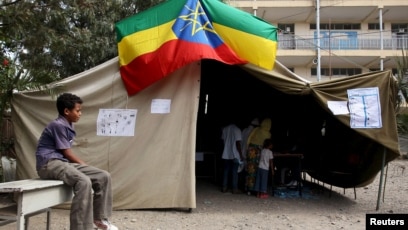
The elections are seen as a key test for Ethiopia's political stability, which has been severely tested in recent years by internal conflicts, particularly in the Tigray, Amhara, and Oromia regions. Prime Minister Abiy Ahmed’s party is projected to win by a landslide, an outcome that many observers attribute not only to popularity but also to the suppression of political opposition and the significant restrictions on voter participation.
Disenfranchisement and Political Concerns
The most critical issue surrounding this election is the large-scale exclusion of voters. Millions of Ethiopians living in regions beset by conflict and political instability have been effectively barred from voting. This disenfranchisement has drawn sharp criticism from human rights organizations and international observers, who argue that it undermines the legitimacy of the entire electoral process.

Critics accuse Prime Minister Abiy Ahmed’s administration of using the security situation as a pretext to silence dissent and consolidate power. The jailing of prominent opposition leaders and the restriction of political activities have raised alarm bells about the state of democracy in the country. These actions, according to analysts, are part of a broader strategy to centralize authority and eliminate any credible challenge to the ruling party’s dominance.
Implications for Ethiopia's Future
The outcome of these elections will have profound implications for Ethiopia’s future trajectory. A landslide victory for the prime minister’s party, achieved under a cloud of disenfranchisement and political suppression, is likely to exacerbate existing tensions and further entrench the political crisis. The international community, including the African Union and Western governments, is closely watching the situation, with many urging a more inclusive and transparent political process.

While the election results are not yet official, the pattern of exclusion and repression raises fundamental questions about the future of democratic governance in Ethiopia. As the country navigates these turbulent waters, the need for genuine dialogue, inclusive political participation, and respect for human rights has never been more urgent.
The world now waits to see whether the 2026 elections will serve as a step toward stability and democracy in Ethiopia, or whether they will further entrench a cycle of conflict and authoritarian rule.