Read on PBS News
Counterprogramming Pride Month: Republican Governors Proclaim Conservative Alternatives
In June 2026, several Republican governors issued proclamations for alternative titles like Nuclear Family Month, Strong Families Month, and Fidelity Month, directly countering the widely recognized Pride Month. This article examines the motivations, political context, and cultural impact of these conservative rebranding efforts. The analysis covers the actions of governors in Alabama, Arkansas, Indiana, Tennessee, and Utah, as well as the legislative push for Fidelity Month in other GOP-controlled states. It also explores the perspectives of conservative supporters who view this as reclaiming the culture and LGBTQ+ advocates who see it as an attack on visibility and acceptance.
June is widely recognized as Pride Month, a time for celebrating the LGBTQ+ community with parades, festivals, and events that commemorate the Stonewall riots and promote equality. However, in a notable shift for 2026, a handful of Republican governors have used their executive power to bestow alternative titles on the month, a move both supporters and opponents view as deliberate counterprogramming. These proclamations, which include designations like Nuclear Family Month, Strong Families Month, and Fidelity Month, aim to refocus June on conservative values related to family, faith, and country. This article provides a professional analysis of the motivations behind these proclamations, the political landscape surrounding them, and the reactions they have generated from various stakeholders.
The Proclamations and Their Specifics
The alternative proclamations share a common thread of emphasizing traditional family structures and values, but each has its own distinct focus. In Indiana and Tennessee, Republican governors rebranded June as Nuclear Family Month, specifically celebrating units made up of "one husband, one wife and any biological, adopted or fostered children." This definition explicitly excludes other family structures, such as those headed by single parents or same-sex couples, making it a direct ideological statement.
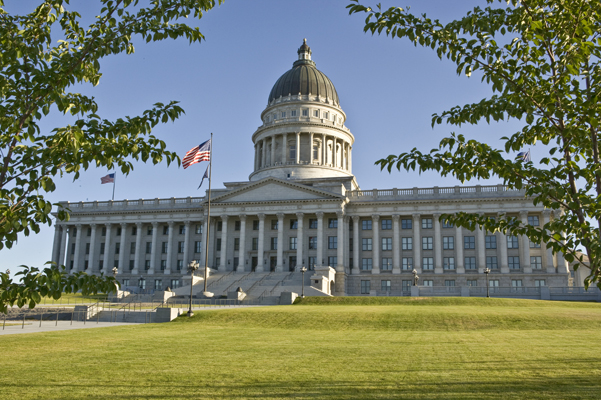
Alabama Governor Kay Ivey declared June as "Strong Families Month," timing the proclamation to coincide with Father's Day. Her proclamation went further in its language, stating that fathers are "the head of the household" and that "homes led by a father and mother provide children with the structure and discipline necessary to succeed throughout life." This framing reinforces a specific patriarchal and heteronormative view of family dynamics. Governors in Utah and Arkansas, meanwhile, proclaimed June as "Fidelity Month," a designation that emphasizes fidelity to faith, country, and family, without explicitly defining the composition of those families.
The Intentional Timing and Political Messaging
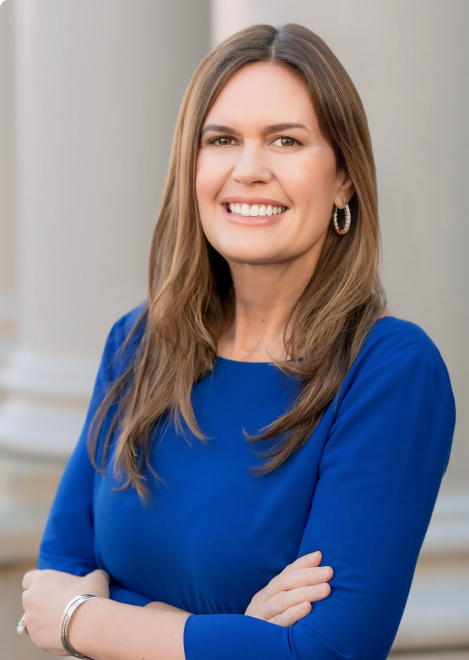
The timing of these proclamations is seen as a key element of their purpose. Arkansas Governor Sarah Huckabee Sanders' office openly acknowledged this by posting on X (formerly Twitter) that the proclamation was a way for "Another Red State [to] Counter-Program Pride Month." The governors have largely avoided directly answering questions from the Associated Press about why their proclamations are all set in June, but the intent is widely interpreted as a strategic effort to shift the cultural narrative during a month traditionally associated with LGBTQ+ celebration. This is not an isolated action; Republican lawmakers in at least four other GOP-controlled states have introduced legislation this year calling for June to be Fidelity Month, indicating a coordinated push within conservative circles.
The intellectual backing for the Fidelity Month concept comes from Robert P. George, a Princeton University professor of jurisprudence who is a prominent conservative thought leader. His organization, which is pushing the concept, has framed it as a matter of cultural contestation. George told the National Catholic Register in 2023 that "nobody gets a monopoly on a particular day or a particular month," suggesting that Pride Month's cultural dominance can and should be challenged. A poll released this week found that a two-decade-long increase in acceptance of same-sex marriages and relationships has flattened, largely because more Republicans oppose them, providing a backdrop for these actions.
Political and Cultural Reactions
The conservative proclamations have elicited strong reactions from both supporters and opponents. Supporters, like Kevin Roberts, president of the conservative Heritage Foundation, view the measures as a necessary "cultural reset." He argued that Pride celebrations "were going so far as to make it difficult to celebrate traditional marriage." Conservative activist Lakie Derrick, who authored the Tennessee resolution, described the effort as "reclaiming the culture," stating that Pride Month "goes against" American values. This perspective frames the alternative proclamations not as an attack on LGBTQ+ people but as a defense of a particular set of values and institutions.

On the other hand, LGBTQ+ advocates and organizations see the proclamations as a direct challenge. Marina Lowe of Equality Utah argued that Pride Month is not the antithesis of values like faith and family, noting that many LGBTQ+ people also hold those values. "I don't think that these positions need to be in conflict with one another," she said. Jordan Braxton, co-president of USA Prides, stated emphatically, "You can call it whatever you want, but one thing you're not going to do is take away our pride or take away our joy." The actions of the governors are seen as an attempt to diminish the visibility and recognition of the LGBTQ+ community, echoing the origins of Pride itself. Josh Coleman, president of Central Alabama Pride, reflected this view, saying, "It's not lost upon LGBTQ people when elected leaders don't recognize or value the visibility of the community."
Local actions mirror the state-level counterprogramming. In Wenatchee, Washington, a school's Turning Point USA chapter secured Family Month banners on light poles that had previously displayed rainbow flags during June. This prompted a local gay rights group, Out NCW, to respond by buying two billboards and distributing yard signs in support of Pride, illustrating the grassroots nature of the cultural contest.
Historical Context and Significance
Pride Month celebrations began in 1970 to mark the first anniversary of the violent police raid on the Stonewall Inn, a New York City gay bar, and have since expanded globally. Every Democratic president since Bill Clinton in 1999 has signed a Pride proclamation each year, while no Republican president has. Last year, President Donald Trump's Education Department declared June to be Title IX Month, using it to open investigations into schools permitting transgender students to use bathrooms or locker rooms aligning with their gender identities. This year's actions by Republican governors represent a continuation and escalation of efforts to use June as a platform for conservative policy and cultural messaging.
One of the few Republican governors who has previously proclaimed Pride is Utah's Spencer Cox, who did so in 2021, 2022, and 2023. In 2024, he deemed June a "Month of Bridge Building" before switching to Fidelity Month this year, marking a significant shift away from recognition of the LGBTQ+ community. This individual transition underscores the broader political and cultural trends influencing these decisions.
Conclusion
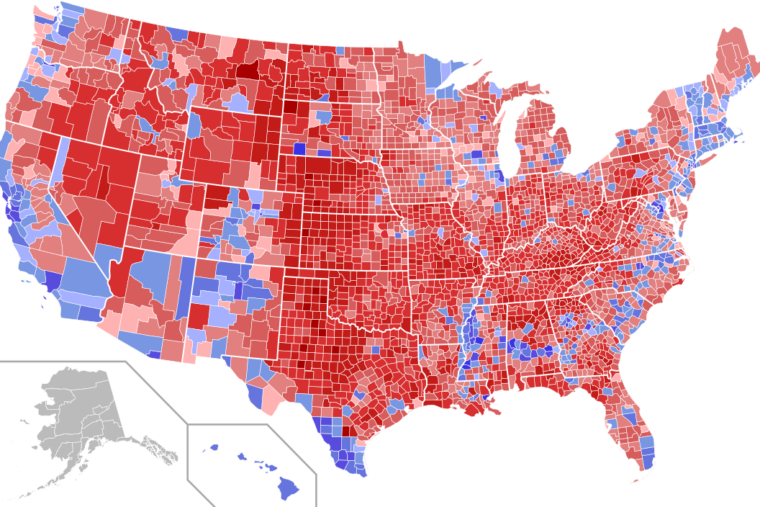
The decision by several Republican governors to proclaim alternative titles for June represents a calculated political and cultural move to directly counter Pride Month. By focusing on traditional family structures, fidelity, and faith, these proclamations aim to reclaim a month that has become a powerful symbol for the LGBTQ+ rights movement. While supporters see it as necessary cultural reset, opponents perceive it as an attack on visibility and acceptance. This year's actions, including legislative efforts in other states and local grassroots responses, signal that the ideological battle over the meaning of June is likely to continue, reinforcing existing political divisions and sparking further debate about the role of government in shaping cultural narratives.