Essential Posture Correction Solutions for Modern Desk Workers
Poor posture from prolonged desk work and phone use can lead to chronic pain and health issues. This comprehensive guide explores effective posture correction tools and techniques, from adjustable braces and supportive bras to tech wearables and DIY solutions. Learn how to train your body for better alignment through consistent practice and proper ergonomic setup. Discover the most effective approaches to combat slouching and develop lasting muscle memory for improved posture.
In today's digital age, many of us spend hours hunched over desks and phones, leading to poor posture that can cause chronic pain and long-term health issues. Fortunately, there are numerous effective solutions available to help you straighten up and develop better posture habits. This guide explores the most practical and effective posture correction tools and techniques that can make a real difference in your daily life.
Understanding Posture Correctors
Posture correctors aren't magic fixes for poor posture, but rather training tools that help develop muscle memory for better alignment. The secret to success with any posture corrector is consistency—your transformation won't happen overnight. These devices work by offering gentle reminders to sit or stand more mindfully, rather than forcing your body into unnatural positions.
How Posture Correctors Actually Work
According to experts, posture correctors function like training wheels for your muscles. They guide your body toward better alignment and then let your muscles take over the work. As physician Matthew Smith of Northwestern University Feinberg School of Medicine explains, "I would compare it to when you were a kid and your mom poked you to sit up straight at the dinner table. The goal is not to wear this forever. The goal is to be able to change your posture on your own from here on out."
Top Posture Correction Solutions
Based on extensive testing and user experiences, several posture correction tools have proven particularly effective for different needs and preferences.
Traditional Posture Braces
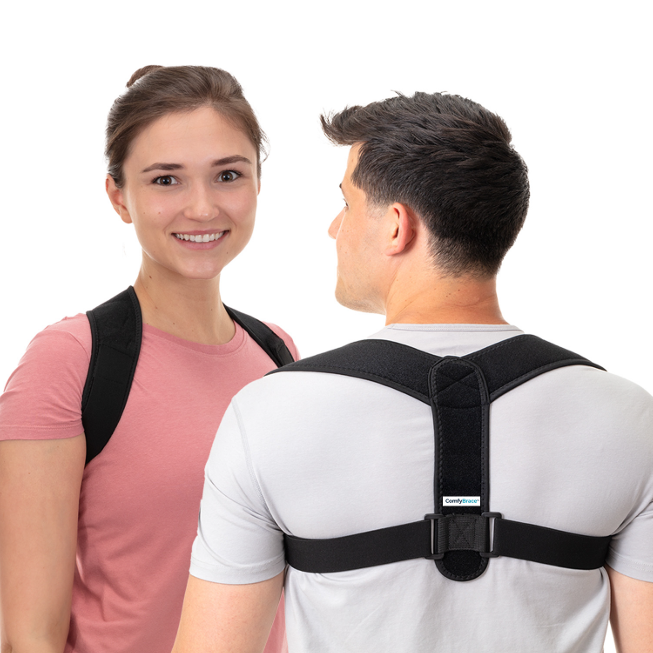
The ComfyBrace Adjustable Posture Corrector stands out as an excellent overall choice. This orthopedic brace features adjustable straps and stretchy, breathable neoprene fabric designed to fit most body types. It's particularly effective for pulling shoulders back and down, helping combat the forward shoulder roll common among desk workers. For those seeking an alternative, the BackEmbrace Posture Corrector offers similar benefits with a split-strap design that provides better contouring to the body.
Supportive Posture Bras
For those preferring a more discreet solution, posture-correcting bras offer both support and alignment benefits. The Etalon Posture Bra features six adjustable straps that distribute weight evenly across your back and shoulders, doubling as a high-support sports bra. Similarly, the Forme Power Bra, designed by an orthopedic surgeon, provides excellent posture support while remaining comfortable enough for daily wear.

Tech-Enhanced Wearables
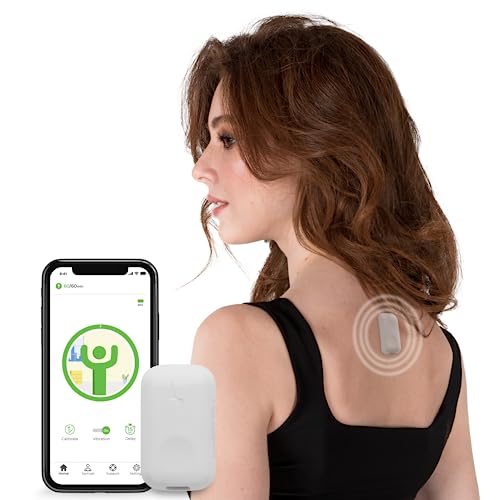
The Upright Go S Lite Posture Corrector Trainer represents the technological approach to posture correction. This small wearable device sticks to your upper back and vibrates when you hunch over for too long, functioning like a gentle tap on the shoulder. Through its companion app, you can track your slouching habits and adjust vibration intensity, making it an excellent tool for developing awareness of your posture throughout the day.
DIY and Alternative Solutions
Not all effective posture solutions require specialized equipment. Simple, accessible alternatives can provide significant benefits.
Yoga Strap Method
A simple yoga strap can serve as an effective temporary posture brace. As recommended by yoga teacher Kathryn Budig, wrap the strap around your back at the base of your shoulder blades, bring each end over your shoulders, crisscross them behind you to form an X shape, then bring the straps to the front and buckle. This DIY approach provides gentle shoulder retraction and can be particularly helpful during yoga practice or short periods of desk work.
Ergonomic Workspace Setup
Improving your workspace ergonomics represents one of the most fundamental approaches to better posture. The Branch Adjustable Laptop Stand allows for proper screen positioning, while adding an external monitor with separate keyboard and mouse enables even better alignment. For those with larger budgets, standing desks and quality ergonomic chairs can transform your working posture entirely.
Practical Implementation Tips
Success with posture correction requires more than just wearing devices—it demands a comprehensive approach to body awareness and habit formation.
Consistency Over Duration
Most posture correctors are designed for short-term use rather than all-day wear. Wearing them for extended periods can actually weaken your core muscles by making your body reliant on external support. As Dr. Smith recommends, "I would only pop it on for a few minutes here and there as a reminder." Start with just 5-10 minutes daily and gradually increase as your body adapts.
Complementary Exercises
Posture correctors work best when combined with strengthening exercises. Yoga, in particular, has been shown to significantly improve posture through its focus on alignment and core strength. When practiced consistently, yoga can help you sit and stand taller almost instinctively. Core-strengthening exercises like planks and chest presses, along with simple morning stretches, can also work wonders for your posture.
Safety Considerations
While most posture correctors are safe for general use, certain precautions ensure you get the best results without risking injury.
If you experience severe neck or lower back pain, or have conditions like kyphosis or scoliosis, always consult a healthcare professional before trying any at-home remedies. Overly rigid correctors that hold you in place can be counterproductive, as they may prevent your muscles from doing the necessary work to strengthen and support proper alignment naturally.
By combining the right tools with consistent practice and proper ergonomics, you can effectively combat the effects of prolonged sitting and develop lasting improvements to your posture. Remember that the ultimate goal isn't dependency on devices, but developing the muscle memory and body awareness to maintain good posture independently.