Understanding the Correction: How Genome Instability Triggers Bowel Inflammation via Gut Stem Cell Death
A recent author correction for a pivotal Nature study clarifies key figures but reinforces the groundbreaking discovery linking genome instability to inflammatory bowel disease. The research demonstrates that DNA damage in intestinal stem cells triggers a specific form of programmed cell death called necroptosis, which subsequently initiates a cascade of bowel inflammation. This article explains the significance of the corrected findings, the mechanism involved, and what it means for our understanding of chronic gut conditions.
Scientific progress relies on accuracy and transparency, a principle underscored by a recent author correction published in Nature. The correction pertains to a landmark 2020 study titled "Gut stem cell necroptosis by genome instability triggers bowel inflammation," which established a crucial mechanistic link between cellular DNA damage and the onset of inflammatory bowel diseases (IBD). While the correction addresses minor errors in figure panels, it in no way alters the study's core, transformative conclusion: genomic instability within intestinal stem cells is a direct trigger for bowel inflammation through the pathway of necroptosis. This article delves into the science behind this finding and explores its implications for future research and therapeutic strategies.
The Core Discovery: From Genome Instability to Inflammation
The original research, conducted by a team from Xiamen University and other Chinese institutions, uncovered a novel sequence of events leading to chronic gut inflammation. The process begins with genome instability—errors or damage in the DNA of intestinal epithelial stem cells. These stem cells are responsible for continuously renewing the lining of the gut. When their DNA is compromised, it doesn't always lead to standard cell death (apoptosis). Instead, the study found it can activate necroptosis, a more inflammatory form of programmed cell death.
Unlike apoptosis, which is a clean, controlled process, necroptosis causes cells to rupture, releasing their internal contents. This acts as a danger signal, alerting the immune system and triggering a potent inflammatory response in the surrounding bowel tissue. This mechanism provides a direct biological explanation for how intrinsic cellular damage can evolve into the widespread inflammation characteristic of conditions like Crohn's disease and ulcerative colitis.
Details of the Author Correction
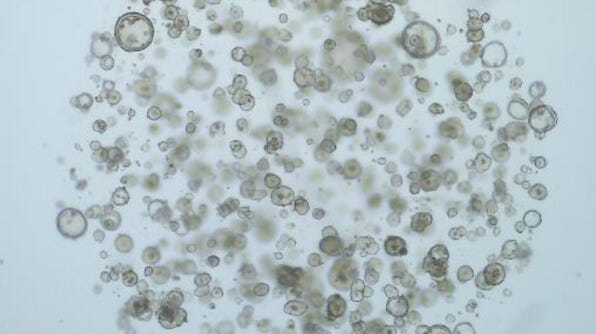
The author correction, published in March 2026, addresses specific, inadvertent errors in the visual data presented in the original paper. As detailed in the corrigendum, these included a duplicated panel in one figure and mislabeled organoid groups in another. The researchers have provided the original, uncorrected panels in a supplementary document for full transparency.
Critically, the publication states unequivocally that "These corrections do not alter the interpretation or conclusions of the study." The authors thanked the vigilant reader who identified the issues, reinforcing the collaborative and self-correcting nature of scientific publishing. This process strengthens the paper's credibility by ensuring its foundational data is accurately represented.

Implications for Medical Research and Treatment
This research shifts the paradigm for understanding inflammatory bowel disease. Traditionally, IBD has been viewed primarily as an immune system disorder or a reaction to gut bacteria. This study introduces genome instability in stem cells as a potent initiating factor. It suggests that therapeutic strategies could aim to protect gut stem cell DNA or inhibit the necroptosis pathway to prevent inflammation before it starts.
By identifying necroptosis as the key link, the study points to specific molecular targets for drug development. Pharmaceuticals that block necroptosis could potentially halt the inflammatory cascade, offering a new class of treatments for patients who do not respond to current immunosuppressive therapies. Furthermore, it highlights the importance of factors that cause genome instability, such as environmental toxins or metabolic stress, in IBD risk.
Conclusion: A Correction That Confirms a Pathway
The author correction for "Gut stem cell necroptosis by genome instability triggers bowel inflammation" is a routine but important step in upholding scientific integrity. It allows the robust conclusions of the research to stand on fully corrected data. The study itself remains a cornerstone piece of evidence, elegantly connecting the dots between DNA damage, a specific cell death mechanism, and chronic inflammatory disease. As research continues to build on this foundation, it holds significant promise for unlocking new preventive and therapeutic approaches for the millions affected by inflammatory bowel diseases worldwide.