Medical Breakthrough: 'External Lungs' Sustain Man for 48 Hours, Enabling Life-Saving Transplant
A groundbreaking medical achievement has been reported where an external, artificial-lung system successfully kept a patient alive for 48 hours without his own lungs, bridging the critical gap until a donor organ became available for transplant. This innovative technology represents a significant leap forward in critical care and transplant medicine, offering a potential lifeline for patients with end-stage lung failure. The procedure, detailed in a recent Nature article, demonstrates the feasibility of temporary, extracorporeal life support as a bridge to transplantation, opening new possibilities for treating severe respiratory conditions.
In a remarkable feat of medical engineering, doctors have successfully used an external, artificial-lung system to sustain a patient's life for 48 hours while he awaited a life-saving transplant. This groundbreaking procedure, recently detailed in Nature, represents a significant advancement in critical care medicine and offers new hope for patients with end-stage lung disease who face the agonizing wait for donor organs.

The Medical Breakthrough Explained
The external lung system, technically known as an extracorporeal membrane oxygenation (ECMO) device with specialized modifications, functioned as temporary replacement lungs for the patient. During the 48-hour period, the patient's own diseased lungs were effectively bypassed while the artificial system oxygenated his blood and removed carbon dioxide. This technological bridge allowed medical teams to maintain the patient's vital functions until a suitable donor lung became available for transplantation.
How the External Lung System Works
The system operates by removing blood from the patient's body, oxygenating it through a synthetic membrane, and then returning it to the circulatory system. Unlike conventional ECMO systems used for shorter periods, this specialized configuration was optimized for extended use as a bridge to transplantation. The technology represents an evolution of existing life-support systems, with improvements in biocompatibility, clotting prevention, and oxygenation efficiency that enabled the unprecedented 48-hour duration.

Clinical Significance and Implications
This achievement has profound implications for transplant medicine and critical care. Patients with end-stage lung disease often deteriorate rapidly while waiting for donor organs, with many succumbing to their illness before transplantation becomes possible. The ability to sustain patients for extended periods without functional lungs could significantly increase transplant success rates by providing a stable bridge to surgery.
Expanding Treatment Windows
The 48-hour window demonstrated in this case substantially expands the treatment possibilities for critically ill patients. This extended timeframe allows for better donor-recipient matching, transportation of organs over greater distances, and preparation of patients who might otherwise be too unstable for transplantation. The technology could potentially be refined to support patients for even longer periods, though current limitations include infection risks and blood clotting complications associated with prolonged extracorporeal circulation.
Future Directions and Research
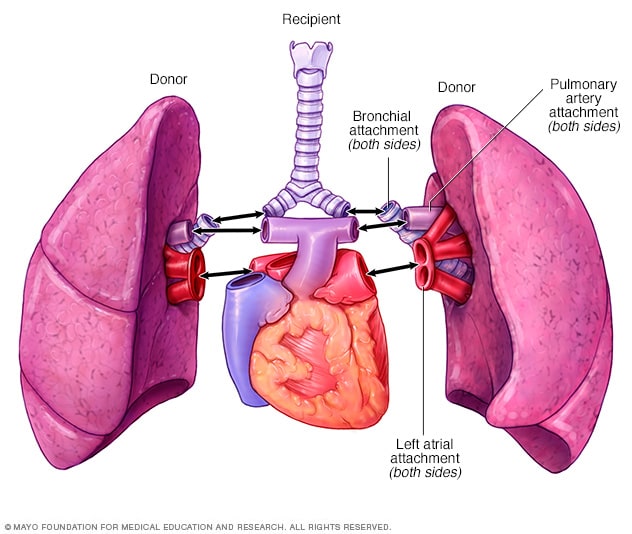
While this single case represents a significant proof of concept, researchers emphasize that further development and clinical trials are needed before such systems become widely available. The Nature article highlights ongoing research into improving the biocompatibility of artificial lung membranes, reducing clotting risks, and developing more portable systems that could be used outside intensive care units. Future iterations might incorporate biological components or stem-cell derived tissues to create more physiological artificial lungs.
Conclusion
The successful use of external lungs to sustain a patient for 48 hours until transplantation marks a watershed moment in medical technology. This breakthrough demonstrates the potential of advanced life-support systems to bridge critical gaps in transplant medicine, offering new hope to patients with end-stage lung disease. As research continues and technology improves, such systems may become standard tools in the transplant surgeon's arsenal, potentially saving countless lives by extending the window for life-saving interventions. The medical community will be watching closely as this technology develops, with the potential to revolutionize how we approach critical respiratory failure and organ transplantation.