Read on nature.com
48 Hours Without Lungs: How an Artificial Organ Sustained Life for a Transplant
In a landmark medical achievement, a 33-year-old man survived for 48 hours without his natural lungs, sustained entirely by an external artificial-lung system. This breakthrough procedure, developed by a specialized medical team, successfully bridged the critical gap until a suitable donor for a double lung transplant was secured. The case represents a significant advancement in extracorporeal life support and offers new hope for patients with end-stage lung failure who face life-threatening waits for donor organs. This article explores the implications of this medical milestone for the future of transplant medicine and critical care.
In the high-stakes world of organ transplantation, time is the most critical and scarcest resource. A recent, extraordinary case has pushed the boundaries of what is medically possible: a 33-year-old man survived for two full days without his natural lungs, kept alive by an external artificial-lung system until he could receive a life-saving double lung transplant. This procedure, detailed in a report by Nature, marks a pivotal moment in critical care and transplant medicine, demonstrating a novel bridge-to-transplant strategy for patients with irreversible lung failure.
The Medical Breakthrough: An External Lifeline
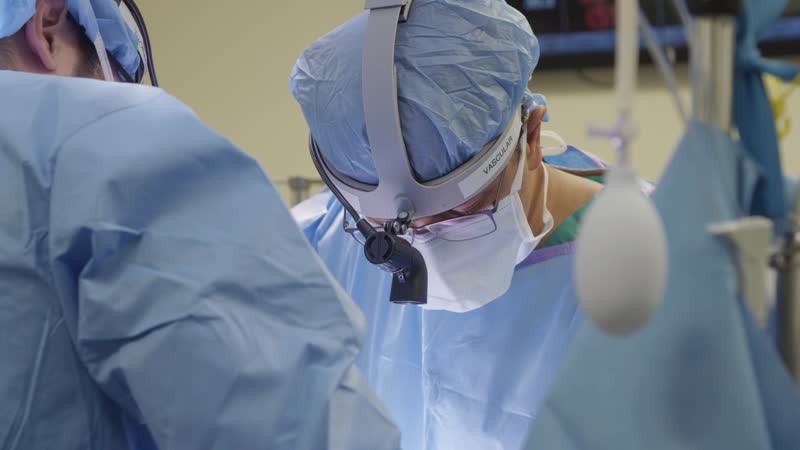
The core of this achievement was the development and deployment of a specialized external artificial-lung system. When a patient's lungs are so severely damaged that they cannot oxygenate blood, traditional mechanical ventilation often fails. This system acts as an external gas exchanger, removing carbon dioxide and infusing oxygen directly into the patient's bloodstream, effectively taking over the function of the biological lungs entirely. For this patient, the system was not an assistive device but a complete replacement, allowing surgeons to remove both diseased lungs—a procedure known as a total pneumonectomy—while sustaining the patient's life.
Implications for Transplant Medicine
This case has profound implications for the field of organ transplantation, particularly for lung transplants. The most significant barrier to successful transplantation is the availability of suitable donor organs. Patients on the waiting list often deteriorate or die before an organ becomes available. This artificial-lung system creates a new category of "bridge-to-transplant" technology. It can stabilize the sickest patients, buying precious time for donor organ matching and procurement. Furthermore, by removing the source of severe infection or inflammation (the diseased lungs), the system may improve a patient's overall condition, potentially leading to better outcomes post-transplant.
The Future of Artificial Organs and Critical Care
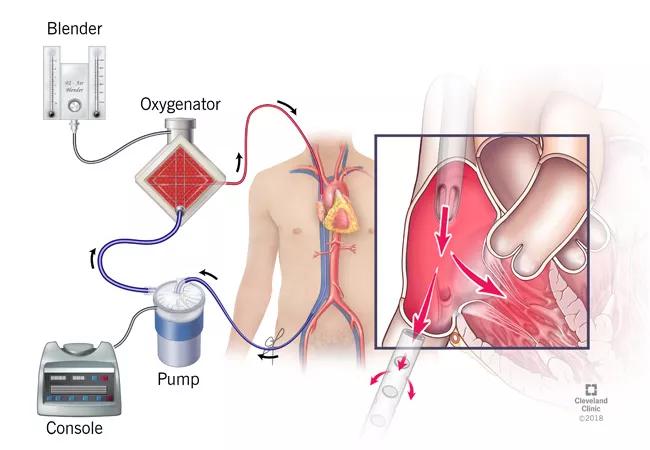
While devices like ECMO (Extracorporeal Membrane Oxygenation) have been used for decades to support heart and lung function, this case represents a more extreme and dedicated application. It points toward a future where temporary, sophisticated artificial organs could become a standard tool in managing end-stage organ failure. The success of this 48-hour support period opens the door for research into longer-term artificial organ support, which could alleviate some pressure on transplant waiting lists. It also highlights the interdisciplinary collaboration required between transplant surgeons, critical care specialists, and biomedical engineers to pioneer such life-saving interventions.
Conclusion: A New Paradigm of Hope
The story of the man who lived 48 hours without lungs is more than a medical curiosity; it is a beacon of innovation in the face of dire need. It proves the concept that advanced artificial organ technology can serve as a vital, temporary substitute, creating a stable platform from which a permanent transplant can be successfully performed. As research continues, such systems may become more refined, portable, and accessible, offering a crucial lifeline to thousands of patients awaiting transplants worldwide. This milestone reinforces the relentless progress of medical science in its quest to extend and improve human life against formidable odds.