Breakthrough Sepsis Drug Shows Promise in Phase II Clinical Trial
A novel carbohydrate-based drug developed by Australian researchers has shown significant promise in reducing sepsis severity in a Phase II clinical trial involving 180 patients. The treatment, STC3141, works by counteracting the body's dangerous immune overreaction that leads to organ failure. With no specific anti-sepsis therapy currently available, these findings represent a major advancement in critical care medicine. Researchers are now preparing for Phase III trials, potentially bringing the first targeted sepsis treatment to market within years.
Sepsis, a life-threatening condition triggered by the body's extreme response to infection, has long represented one of the most critical challenges in modern medicine. Characterized by a cascade of immune responses that can lead to tissue damage, organ failure, and death, sepsis claims millions of lives globally each year despite advances in supportive care. The absence of a specific, targeted therapy has left clinicians with limited options, primarily focusing on antibiotics, fluids, and managing symptoms. Now, a groundbreaking development from Australian researchers offers new hope. A Phase II clinical trial of a novel carbohydrate-based drug has demonstrated promising results in reducing sepsis severity, marking a potential paradigm shift in how this deadly condition is treated.

The STC3141 Drug and Its Mechanism of Action
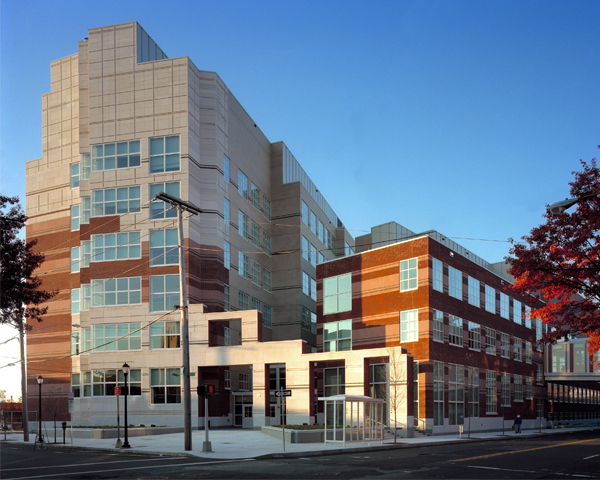
The experimental treatment, designated STC3141, represents a collaborative effort between Distinguished Professor Mark von Itzstein AO and his team at Griffith University's Institute for Biomedicine and Glycomics, and Professor Christopher Parish and his team at The Australian National University. Unlike conventional approaches that primarily address the underlying infection, STC3141 targets the destructive immune response itself. The drug is a small-molecule, carbohydrate-based therapy designed to counteract a major biological molecule release that occurs during sepsis. This process, known to drive widespread inflammation and organ damage, is directly addressed by the drug's mechanism.
During the Phase II trial, STC3141 was administered to patients via intravenous infusion through a cannula. The treatment's design aims not merely to manage symptoms but to potentially reverse organ damage—a fundamental shift from current supportive care strategies. As Professor von Itzstein explained in the ScienceDaily report, "The trial met the key endpoints to indicate the drug candidate was successful in reducing sepsis in humans." This success suggests the drug effectively calms the dangerous immune overreaction that defines sepsis progression.

Understanding the Sepsis Challenge
Sepsis develops when the body's immune system, while fighting an infection, spirals out of control and begins attacking the body's own tissues and organs. This dysregulated response can lead to septic shock, multiple organ failure, and death, particularly when not recognized and managed promptly. The condition represents a leading cause of mortality and long-term disability in hospitals worldwide, creating what researchers describe as a major unmet medical need. The global impact is staggering, with millions affected annually, yet until now, medical science has lacked a specific anti-sepsis therapy that directly interrupts the pathological immune cascade.
The Phase II trial, conducted by Grand Pharmaceutical Group Limited (Grand Pharma) in China, involved 180 patients diagnosed with sepsis. The positive outcomes from this study are particularly significant given the historical difficulty in developing effective sepsis treatments. Many previous candidates have failed in clinical trials, often because they targeted single components of the complex sepsis response. STC3141's novel approach of addressing a broader mechanism of immune dysregulation may explain its preliminary success.
The Path Forward: From Phase II to Market
With the Phase II trial completed successfully, the research team and Grand Pharma now plan to advance STC3141 into Phase III clinical trials. This next stage will involve larger patient populations to further evaluate the drug's effectiveness, safety profile, and optimal dosing regimens. Phase III trials represent the final step before regulatory approval, making this transition a critical milestone. Professor von Itzstein expressed cautious optimism about the timeline, stating, "It's hoped we could see the treatment reach the market in a handful years, potentially saving millions of lives."
The potential impact of an approved sepsis-specific therapy cannot be overstated. For healthcare systems worldwide, it could mean reduced mortality rates, shorter hospital stays, decreased long-term disability from sepsis survivors, and lower overall treatment costs. Professor Paul Clarke, Executive Director of the Institute for Biomedicine and Glycomics, highlighted the translational nature of this research, noting that the institute focuses on delivering "real and immediate impacts both in Australia, and globally to transform lives."

Conclusion: A New Horizon in Critical Care
The promising results from the STC3141 Phase II trial represent more than just another drug candidate—they signal a potential turning point in the battle against sepsis. By targeting the immune overreaction rather than just the infection, this carbohydrate-based therapy addresses the fundamental pathology of sepsis in a way previous treatments have not. As researchers prepare for Phase III trials, the medical community watches with anticipation. If successful, STC3141 could become the first specific anti-sepsis therapy available to clinicians, fundamentally changing the standard of care for one of medicine's most deadly conditions and offering hope where previously there was little.