The Technological Evolution of Curling: From Scottish Stones to Smart Brooms
Curling, often described as a hybrid of chess and bocce, is undergoing a quiet technological revolution ahead of the 2026 Winter Olympics. While the sport maintains its traditional Scottish granite stones, modern advancements in equipment—from sensor-laden brooms to specialized footwear—are transforming how athletes compete. This article explores the cutting-edge gear that's enhancing performance on the ice, including carbon fiber brooms with thousands of configurations and shoes with interchangeable grip systems that give curlers unprecedented control and precision.
As the 2026 Winter Olympics approach, curling is poised to captivate audiences once again with its unique blend of strategy, precision, and surprising athleticism. While the sport's fundamentals remain rooted in tradition—sliding granite stones across a sheet of ice toward a target—a technological evolution is quietly transforming the equipment used by elite competitors. This revolution in gear spans from the stones themselves to the brooms and footwear that give curlers their competitive edge, blending centuries-old materials with modern engineering.
The Timeless Scottish Stones
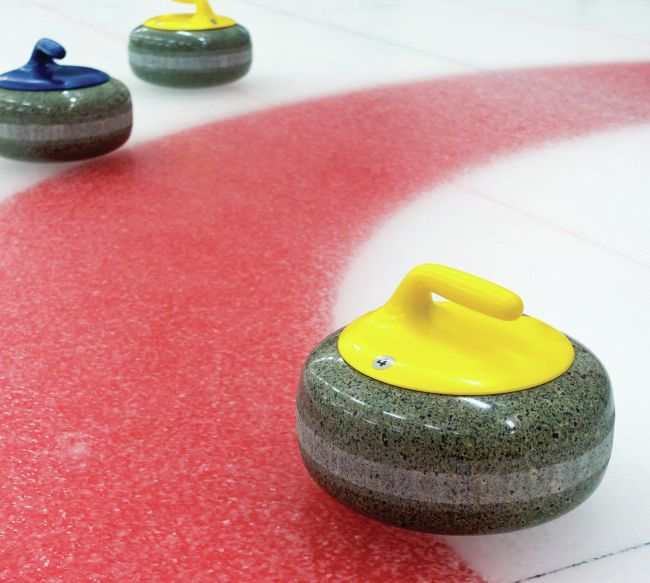
Nearly every curling stone used in international competition originates from a single source: the island of Ailsa Craig in Scotland's Firth of Clyde. This 99-hectare island provides two specific varieties of granite—common green and blue hone—that have proven uniquely resistant to the environmental challenges of competitive curling. According to Wired's coverage, these granites withstand heat, humidity, and the condensation that forms on competition ice, preventing cracks and maintaining consistent performance.
Olympic and World Championship stones are produced by Kays of Scotland, while Canada Curling Stone supplies many other competitions, reflecting the sport's growing popularity in North America. Each stone undergoes meticulous grinding and polishing to meet strict weight requirements—between 17.24 and 19.96 kilograms—ensuring uniformity across international play. This combination of geological specificity and precision manufacturing creates equipment that has remained essentially unchanged for centuries, yet forms the foundation upon which modern technological innovations are built.
The Broom Revolution
While stones represent curling's traditional heart, brooms embody its technological future. Modern curling brooms have evolved from simple sweeping tools into sophisticated pieces of athletic equipment incorporating advanced materials and engineering principles. As Dale Matchett, general manager at BalancePlus, explains in the Wired article, "Broom technology continues to be a major focus because the physical demands of the sport continue to evolve, and one of the biggest challenges is finding the right balance between weight, strength, and effective energy transfer."

Today's brooms come in three primary material categories: carbon fiber for elite players seeking maximum strength-to-weight ratio, composite fiber for intermediate competitors, and fiberglass for recreational use. The high-end BalancePlus LightSpeed line exemplifies this technological progression, with models weighing as little as 293 grams while withstanding the forces generated by world-class athletes. The LightSpeed RS XL 9" offers approximately 85,000 possible configurations through various handle, bolt, foam, and sleeve options, allowing for unprecedented customization.
These advanced brooms feature nonslip coatings that reduce hand slippage, enabling curlers to apply downward pressure more efficiently while reducing fatigue. The integration of sensors and microchips in some models allows players to analyze and optimize their sweeping power, bringing data-driven training approaches to a sport once governed primarily by feel and experience.
Specialized Footwear Technology
Curling shoes represent perhaps the most specialized equipment in the sport, with each shoe serving a distinct purpose. Throwers wear a "slider" on their gliding foot—featuring a smooth Teflon or steel sole for minimal friction—and a "gripper" on their trailing foot, with a rubber sole for traction. Despite their functional differences, manufacturers ensure both shoes have identical weight to maintain athlete balance during the delivery.
As Matchett notes in the referenced article, "Athletes have different preferences, playing styles and physical needs, so there is no one shoe model suitable for all curling players." This has led to diverse offerings ranging from lightweight, flexible designs emphasizing comfort to rigid models that limit foot movement and promote stability for professional competitors.
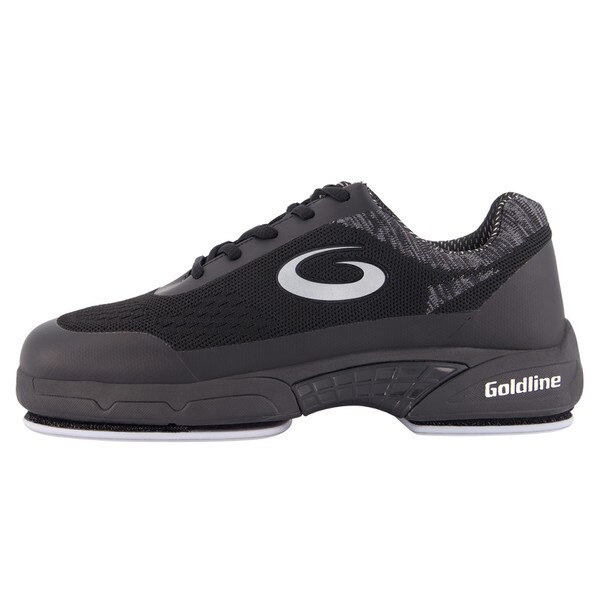
Goldline's Momentum series, launched in preparation for the 2026 Olympics, features interchangeable grip discs that allow customization for right- or left-handed play. The flagship Stealth model incorporates integrated lace covers to reduce drag and elevate the foot slightly during slips and pushes. Redesigned toe boxes and heels protect areas prone to wear from kicks and sweeps, extending shoe durability through demanding competition schedules.
Despite these innovations, some professionals continue using updated versions of classic models like BalancePlus's Delux line, which has been in use since 1998. These shoes employ leather uppers, welt construction, and smooth toe designs to reduce friction during throws, demonstrating how technological evolution in curling often involves refining proven concepts rather than abandoning them entirely.
The Future of Curling Technology
As curling prepares for its Olympic spotlight in 2026, the sport stands at an interesting crossroads between tradition and innovation. The continued use of Scottish granite stones preserves curling's historical connection to its origins, while advancements in brooms and shoes push athletic performance to new levels. This technological progression reflects broader trends in winter sports, where equipment optimization has become increasingly important for competitive success.
The integration of sensor technology and data analytics represents the next frontier, potentially allowing teams to quantify previously subjective aspects of performance like ice reading and sweeping effectiveness. As equipment becomes more sophisticated, governing bodies will likely face new challenges in regulating technological advantages to maintain competitive balance—a familiar dynamic in Olympic sports experiencing rapid equipment evolution.
Ultimately, curling's technological advancements serve to enhance rather than replace the sport's core appeal: the intricate strategy, precise execution, and dramatic tension that have made it a Winter Olympics favorite. As audiences watch the 2026 competition, they'll witness not just athletic excellence but the culmination of years of equipment innovation that has transformed how curlers approach their ancient-yet-evolving sport.