Read on PBS News
Breaking Down the Bipartisan Senate Deal to Avert a Government Shutdown
With the federal government once again on the brink of a partial shutdown, a bipartisan Senate deal has emerged as a potential solution. The agreement proposes full-year funding for most agencies while creating a two-week extension for the Department of Homeland Security (DHS), specifically to address contentious issues surrounding ICE conduct. This article examines the details of the proposed deal, its implications for key agencies, and the remaining political hurdles as lawmakers race against a critical deadline.
As the clock ticks toward another potential partial government shutdown, a glimmer of bipartisan cooperation has emerged in the U.S. Senate. Congressional correspondent Lisa Desjardins reports that senators are racing to finalize a deal that would fund most government agencies while creating a temporary solution for the Department of Homeland Security (DHS). This development comes after weeks of political brinkmanship that threatened to disrupt critical government functions and services.
The Proposed Senate Agreement
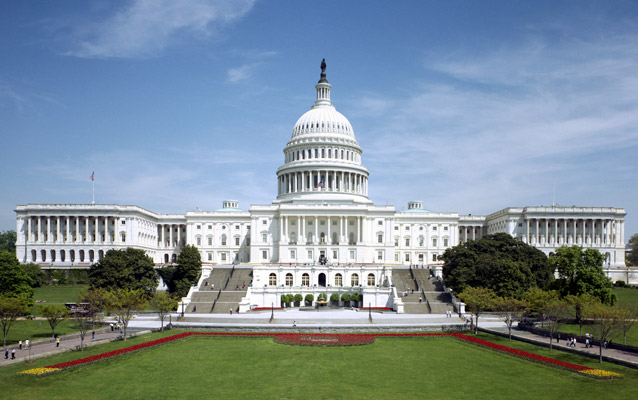
According to multiple sources, Republican and Democratic senators have reached a tentative agreement that represents a significant breakthrough in the ongoing funding negotiations. The deal, which was being "hotlined" through the Senate for potential fast-track approval, addresses the immediate funding crisis while creating space for further negotiations on the most contentious issues.
The proposed agreement would provide full funding for the remainder of the fiscal year for five agencies that were awaiting appropriations—all except the Department of Homeland Security. DHS would receive a two-week funding extension through a short-term continuing resolution, giving lawmakers additional time to work out disagreements specifically related to Immigration and Customs Enforcement (ICE) and broader DHS conduct policies.
Political Dynamics and Remaining Challenges
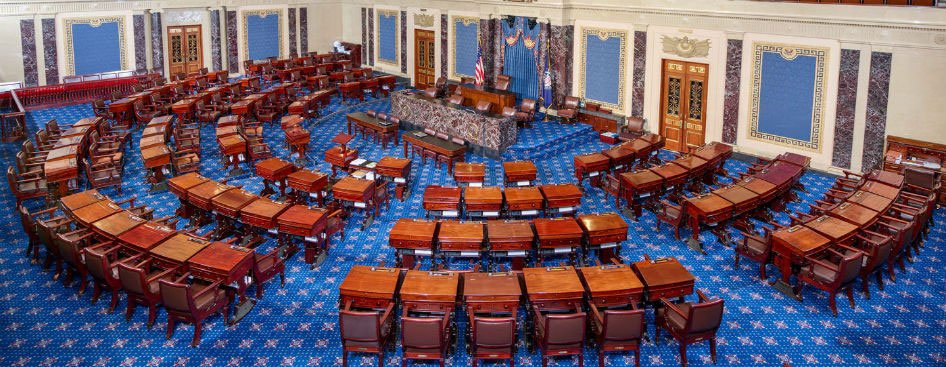
While the Senate deal represents progress, significant political hurdles remain. The White House has reportedly been involved in the negotiations, suggesting presidential support for the compromise approach. However, some Senate Republicans have expressed concerns about spending levels and earmarks within the package, as well as how ICE is specifically addressed in the agreement.
Perhaps more significantly, House Speaker Mike Johnson's office has confirmed concerns about the short-term Homeland Security funding approach. With the House of Representatives not currently in session, timing becomes a critical factor. Even if the Senate approves the deal, the House would need to reconvene and pass the legislation before the funding deadline.
Implications of a Partial Shutdown
If lawmakers fail to reach agreement before the deadline, a partial government shutdown would begin. However, the impact might be more limited than in previous shutdown scenarios. Congress has already passed funding for itself, national parks, and several other agencies, meaning approximately 70% of government operations would continue unaffected.
For Homeland Security specifically, the effects would be minimal in the short term. ICE and Customs and Border Protection (CBP) are already funded through a surge appropriation passed last summer. Other DHS components including FEMA, TSA, and the Coast Guard have funding reserves or are paid through February 13, creating what Desjardins describes as a "minimal effect shutdown" scenario for these agencies.

The Path Forward
The proposed two-week extension for DHS funding would create a window for lawmakers to address fundamental disagreements about immigration enforcement practices. House Democratic Leader Hakeem Jeffries has raised constitutional concerns about DHS activities, specifically mentioning Fourth Amendment search and seizure protections. These debates reflect broader tensions about the balance between security imperatives and civil liberties.
As negotiations continue, the political dynamics suggest that both parties recognize the practical consequences of a prolonged shutdown. The reported shift toward compromise, including from the Trump administration, indicates that real-world considerations—including public perception and operational realities—are influencing the political calculus.
Ultimately, the Senate deal represents a pragmatic approach to governance that acknowledges political divisions while seeking to maintain essential government functions. Whether this compromise can navigate both chambers of Congress and reach the president's desk remains to be seen, but it offers a potential pathway to avoid the disruptive consequences of a government shutdown.