Assault on Representative Ilhan Omar: Legal Charges and Political Context
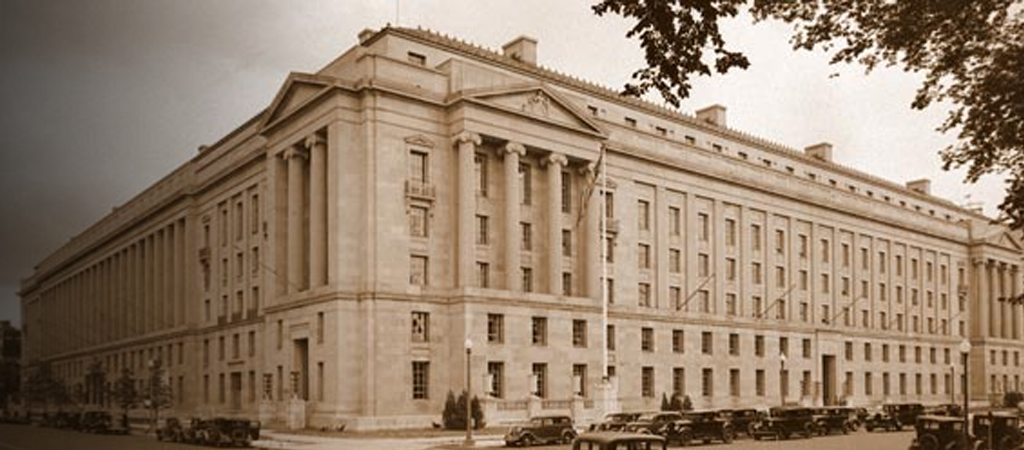
The U.S. Department of Justice has filed a criminal complaint against Anthony Kazmierczak for forcibly assaulting Representative Ilhan Omar with a syringe containing apple cider vinegar during a town hall. An FBI agent's affidavit details the incident, which occurred as Omar criticized federal immigration enforcement. This event highlights escalating political tensions, targeted threats against public officials, and the broader context of inflammatory rhetoric in American politics.
The United States Department of Justice has formally charged a man with assault following an incident where Representative Ilhan Omar was sprayed with a liquid during a public town hall. This legal action underscores the serious nature of threats against elected officials and brings into focus the volatile political climate surrounding immigration policy and partisan rhetoric. The complaint, supported by a detailed FBI affidavit, provides a clear account of the assault and the suspect's alleged history of threatening behavior towards the Congresswoman.
The Criminal Complaint and FBI Affidavit
According to court documents made public, the Justice Department accuses Anthony Kazmierczak of having “forcibly assaulted, opposed, impeded, intimidated and interfered” with Representative Omar while she was engaged in her official duties. The charging document is based on an affidavit from FBI Special Agent Derek Fossi, who was present and witnessed the January 27 incident in Minneapolis, Minnesota. The agent described how Kazmierczak abruptly stood from a front-row seat and rapidly approached Omar as she was speaking.
In his sworn statement, Agent Fossi testified that Kazmierczak “had a syringe in his hand, and as he continued to rapidly approach Representative Omar, he sprayed her with an initially unidentified liquid from the syringe.” The substance was later identified as apple cider vinegar. The immediate aftermath caused significant alarm, as officials and attendees were uncertain whether the liquid was hazardous. Following the spraying, Fossi reported hearing Kazmierczak say, “She’s not resigning. You’re splitting Minnesotans apart,” as he turned away.
Context of the Town Hall and Omar's Remarks
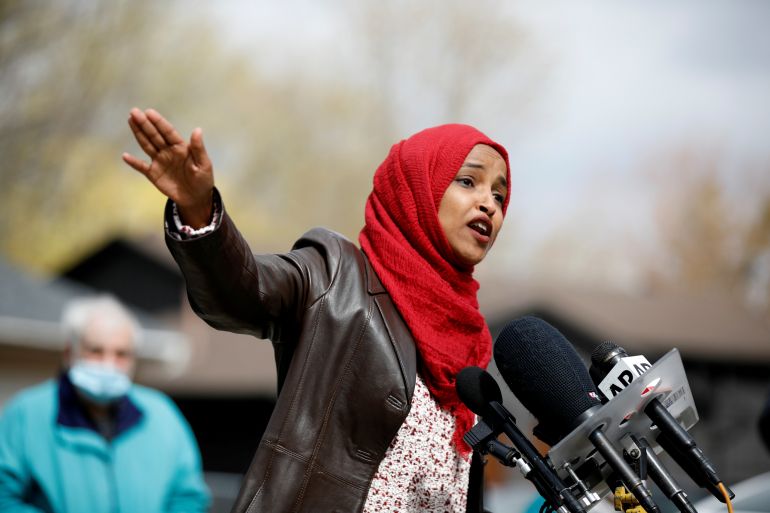
The assault occurred at a critical moment during a town hall meeting in Omar's home district. She was addressing her constituents about a recent surge in federal immigration enforcement activity in the Minneapolis area, which has a large Somali American community. Omar, a member of this community and a prominent progressive Democrat, was expressing outrage over the actions of Immigration and Customs Enforcement (ICE) and Customs and Border Protection (CBP).
Specifically, she referenced the recent deaths of two U.S. citizens, Renee Good and Alex Pretti, in shootings involving federal agents. Omar placed blame on the leadership of the Department of Homeland Security (DHS) and Secretary Kristi Noem. “ICE cannot be reformed. It cannot be rehabilitated. We must abolish ICE for good. And DHS Secretary Kristi Noem must resign or face impeachment,” Omar stated moments before the assault. Her remarks highlight the deep political divisions over immigration policy and enforcement tactics.
History of Threats and Inflammatory Rhetoric
The FBI affidavit outlines a pattern of behavior by the suspect that extends beyond the immediate assault. Investigators interviewed a close associate of Kazmierczak who reported overhearing him say on the phone several years ago, “Someone should kill that b****,” which the associate believed referred to Omar. The affidavit also included evidence of a cartoon Kazmierczak posted on Facebook criticizing Omar's stance on police reform.
This incident occurs against a backdrop of increasing political violence and threatening rhetoric in the United States. A recent U.S. Capitol Police report indicated a significant rise in threats against members of Congress, with 14,938 “concerning statements” investigated in the last year alone, up from 9,474 in 2024. Representative Omar has been a frequent target of such rhetoric, particularly from former President Donald Trump, who has repeatedly made derogatory comments about her and her Somali heritage, questioning her patriotism and spreading false rumors.
Broader Implications for Political Discourse and Security
The assault on Representative Omar raises serious questions about the safety of public officials and the impact of inflammatory political language. In a news conference following the incident, Omar denounced the “hateful rhetoric” directed at her since taking office, noting that death threats against her increase when she is mentioned by name by prominent political figures. Despite this, she affirmed her resilience: “My presence here should tell you that the fear and intimidation doesn’t work on me.”
The legal proceedings against Anthony Kazmierczak will be a test of how the justice system handles acts of political intimidation. The charges demonstrate that physically interfering with or assaulting a member of Congress while they perform their duties is a federal offense. This case also serves as a stark reminder of the tangible consequences that can stem from a polarized and often hostile political environment, where rhetoric can escalate into real-world actions.