Read on bbc.com
Thai Election Upset: Conservatives Defy Polls to Secure Victory
Thailand's ruling conservative party, led by Prime Minister Anutin Charnvirakul, has secured a decisive election victory, defying pre-election opinion polls that predicted a win for the reformist People's Party. Preliminary results show Anutin's Bhumjaithai party projected to win 194 seats, nearly double its previous count, while the People's Party trails with 116. The result averts a potential political crisis and highlights the enduring strength of conservative, nationalist sentiment among Thai voters, particularly in provincial constituencies. This analysis explores the factors behind the surprise outcome and its implications for Thailand's political future.
In a stunning political upset, Thailand's ruling conservative coalition has secured a decisive victory in the country's general election, defying widespread predictions of a win for the reformist opposition. Preliminary vote counts place Prime Minister Anutin Charnvirakul's Bhumjaithai party firmly ahead, a result that has reshaped the nation's political landscape and confounded analysts who had forecast a surge for the People's Party. This outcome not only ensures continuity for the current government but also underscores the complex dynamics of Thai electorate sentiment, where local networks, nationalist appeals, and economic anxieties often trump national polling trends.

Election Results and Immediate Aftermath
With approximately 90% of votes counted, the electoral commission's projections paint a clear picture. Anutin's Bhumjaithai party is on track to secure 194 seats in the 500-seat parliament, a dramatic increase from its performance in the previous election. The reformist People's Party, which led in most opinion polls, is projected to win 116 seats, placing it a distant second. The third major contender, the Pheu Thai party associated with the Shinawatra family, is projected to win just 86 seats, a significant decline from its historical dominance.
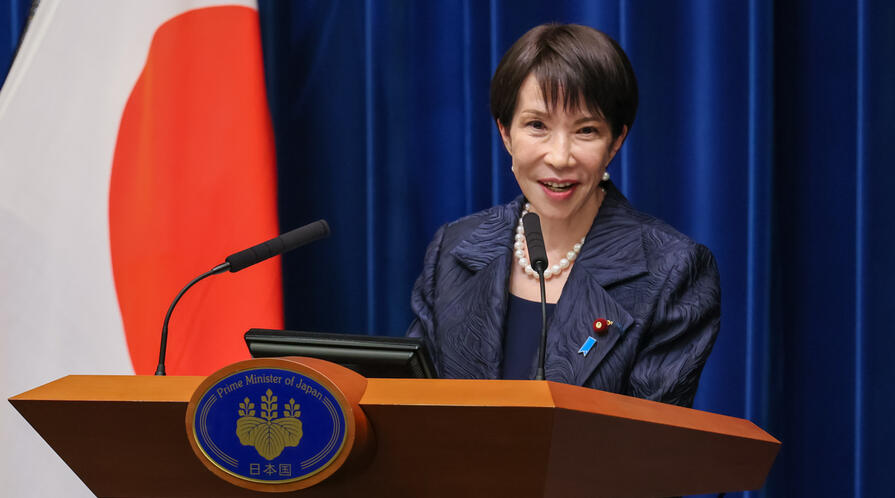
Prime Minister Anutin swiftly claimed victory, addressing the nation and stating his success belonged to "all Thais, no matter whether you voted for us or not." In contrast, People's Party leader Natthaphong Ruengpanyawut appeared to concede, indicating his readiness to serve in opposition if Anutin could form a government. The election was called in December after the previous coalition government collapsed after just three months in office, making this a crucial test of political stability.

Factors Behind the Conservative Victory
Several key factors contributed to the Bhumjaithai party's unexpected success. Firstly, the party effectively capitalized on nationalist sentiment following recent border tensions with Cambodia, positioning itself as the defender of traditional Thai institutions including the monarchy and military. This conservative, status-quo message resonated strongly with older voters and those in provincial areas who were wary of the People's Party's more radical reform agenda.
Secondly, Anutin's campaign demonstrated superior organizational strength at the local level. Thailand's electoral system allocates 80% of parliamentary seats through first-past-the-post contests in individual constituencies, where local networks and patronage often determine outcomes. Bhumjaithai successfully won over local power-brokers and built formidable electoral machinery in these districts, while the People's Party, despite performing better in the national proportional vote, lacked equivalent grassroots infrastructure.
Thirdly, the party blended populist economic policies with a presentation of competence. Promises of financial assistance appealed to voters grappling with record household debt and sluggish economic growth. Simultaneously, Anutin bolstered his campaign with well-known technocrats, projecting an image of capable governance that contrasted with perceptions of the previous reformist-led administration's instability.
Implications for Thai Politics
The election result has significant implications for Thailand's political trajectory. Most immediately, it averts a potential constitutional crisis that loomed if the People's Party had won but was again blocked from taking power by the unelected senate, as happened to its predecessor (Move Forward) in 2023. Anutin is now almost certain to remain Prime Minister, likely leading a coalition government that promises greater political continuity.
The result also represents a setback for the reform movement that has energized younger Thai voters over the past eight years. The People's Party's agenda—which included curbing the power of big business and the military, bureaucratic reform, and modernizing education—failed to translate into sufficient seats, particularly outside urban centers. This suggests a growing urban-rural divide in political priorities and highlights the challenges reformists face in building a nationwide coalition.
Concurrently, the referendum on constitutional reform, held alongside the election, saw approximately 65% of voters favoring changes to the 2017 charter drafted under military rule. This indicates enduring public desire for democratic reforms, even as they opted for conservative leadership, creating a complex mandate for the incoming government.

Conclusion
Thailand's election has delivered a clear verdict: conservative, nationalist politics backed by strong local networks remain a powerful force capable of defying national opinion polls. Prime Minister Anutin's victory provides political stability in the short term but does not resolve underlying tensions between reformist aspirations and traditionalist institutions. The incoming government will face immediate challenges, including revitalizing a struggling economy and addressing the clear public desire for constitutional reform signaled by the referendum. As Thailand moves forward, the disconnect between polling predictions and electoral outcomes serves as a reminder that in politics, as in this election, local realities often determine national results.