Israel's New West Bank Rules Draw International Condemnation
Israel's security cabinet has approved new regulations aimed at strengthening Israeli control over the occupied West Bank, drawing immediate condemnation from Palestinian authorities who describe the move as a 'dangerous attempt to legalize settlement expansion.' The measures, reported by Israeli media, would facilitate land purchases by Israeli settlers and increase Israeli enforcement powers in Palestinian-administered areas. Jordan has joined Palestinian officials in condemning the decision, which comes just days before Prime Minister Benjamin Netanyahu's scheduled meeting with US President Donald Trump.
Israel's security cabinet has approved new rules aimed at strengthening Israeli control over the occupied West Bank, according to local media reports. The decision has drawn immediate and forceful condemnation from Palestinian authorities, who describe the move as a "dangerous" attempt to legalize settlement expansion and land confiscation in occupied territories. This development represents a significant escalation in Israel's approach to the West Bank and comes at a politically sensitive time in regional diplomacy.
Key Provisions of the New Rules
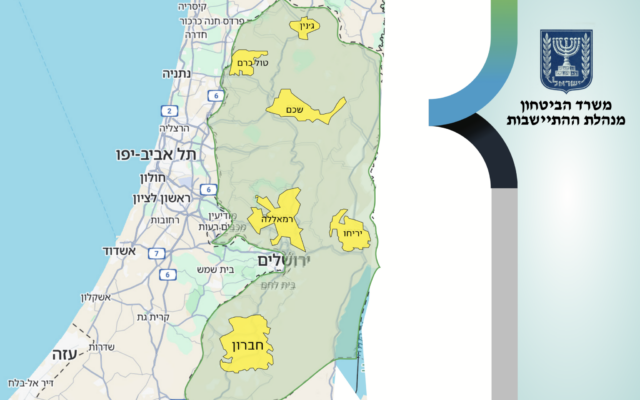
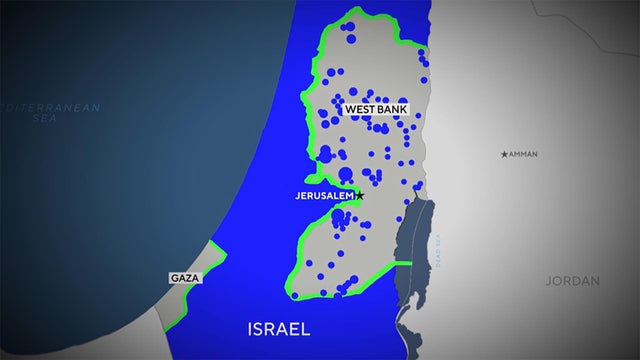
The newly approved measures, as reported by Israeli news outlets including Ynet and Haaretz, contain several significant provisions that would alter the legal and administrative landscape in the occupied West Bank. According to Al Jazeera's reporting, the rules will make it easier for Israeli settlers to buy land in the occupied West Bank by removing previous restrictions that prevented private Jewish individuals from purchasing property in the area. This represents a fundamental shift in policy that could accelerate settlement expansion.
Beyond land acquisition provisions, the measures grant Israeli officials stronger powers to enforce laws on Palestinians throughout the West Bank, including areas currently administered by the Palestinian Authority. The rules also include provisions allowing Israeli authorities to take charge of managing some religious sites, which represents a significant expansion of Israeli administrative control. These changes would increase Israeli supervision and enforcement in areas that have traditionally operated under limited Palestinian self-rule.
Palestinian and International Response
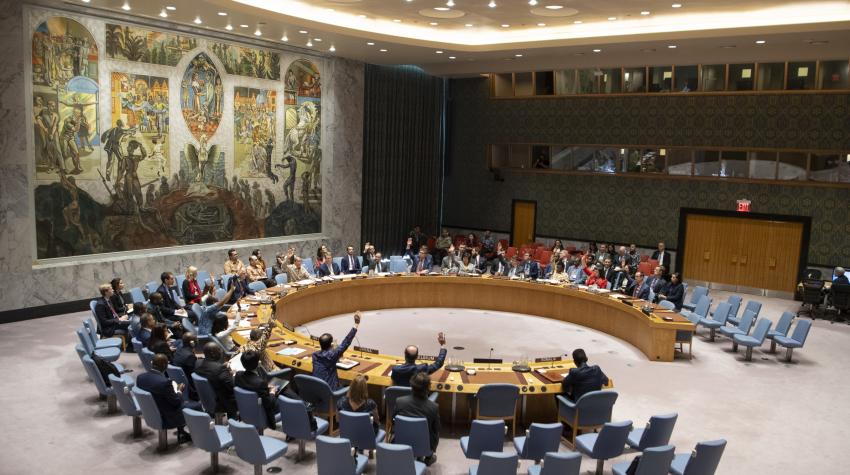
The Palestinian presidency issued a strong statement on Sunday condemning the decision, calling it an "open Israeli attempt to legalize settlement expansion" and land confiscation. The office of President Mahmoud Abbas called for immediate intervention by the United States and the United Nations Security Council to prevent implementation of these measures. Palestinian Vice President Hussein Al-Sheikh emphasized that these unilateral measures aim to eliminate any political prospects, obliterate the two-state solution, and drag the entire region into further tension and instability.
Jordan's Ministry of Foreign Affairs joined in condemning the decision, stating that it was "aimed at imposing illegal Israeli sovereignty" and entrenching settlements in occupied territory. The Hamas group called on Palestinians in the West Bank to "intensify the confrontation with the occupation and its settlers." These responses highlight the broad regional opposition to Israel's new approach and suggest potential for increased tensions in the West Bank.
Political Context and Implications
This development comes just three days before Prime Minister Benjamin Netanyahu is scheduled to meet US President Donald Trump in Washington, DC, adding diplomatic significance to the timing of the announcement. The office of far-right Israeli Minister of Finance Bezalel Smotrich issued a statement declaring "we will continue to bury the idea of a Palestinian state," indicating the ideological underpinnings of the new policy direction. This represents a clear departure from previous approaches that maintained at least nominal commitment to the two-state solution framework.
The West Bank remains central to Palestinian aspirations for statehood, sought alongside Gaza and occupied East Jerusalem as part of a future independent state. Much of the territory is currently under direct Israeli military control, with extremely limited Palestinian self-rule in some areas governed by the Western-backed Palestinian Authority. The new rules would fundamentally alter this arrangement by expanding Israeli administrative and legal control throughout the territory.
Conclusion
Israel's approval of new rules to strengthen control over the occupied West Bank represents a significant escalation in the ongoing conflict over the territory. The measures, which facilitate settlement expansion and increase Israeli administrative powers, have drawn immediate condemnation from Palestinian authorities and regional neighbors. As the international community watches closely, the implementation of these rules could fundamentally reshape the political and territorial landscape of the West Bank, with potentially far-reaching consequences for regional stability and the prospects for a negotiated peace settlement.