Read on bbc.com
Iran's Negotiation Stance: Missile Defense as a Non-Negotiable Red Line
Amidst escalating tensions in the Gulf, Iran maintains a firm position that its missile and defense systems are permanently off the negotiation table, even as it expresses openness to broader diplomatic talks. This stance, reiterated by Foreign Minister Abbas Araghchi, creates a complex backdrop for potential US-Iran negotiations, with President Donald Trump asserting Iran desires a deal to avoid military confrontation. The situation is further complicated by US demands concerning Iran's nuclear program and internal protests, alongside a significant naval build-up in the region. This article analyzes the diplomatic impasse, the strategic calculations of both nations, and the potential pathways forward in a volatile geopolitical landscape.
The geopolitical chessboard of the Middle East is witnessing a critical juncture as Iran articulates a clear yet contradictory diplomatic position: openness to talks coupled with an absolute refusal to discuss its missile and defense architecture. This stance, reported by the BBC, establishes a significant red line for any potential negotiations with the United States. While Tehran signals a willingness to engage based on "mutual respect," its declaration that key military assets are non-negotiable presents a fundamental obstacle. Concurrently, US President Donald Trump has conveyed that Iran "wants to make a deal" to avert military action, framing the situation as a choice between diplomacy and confrontation. This analysis delves into the nuances of Iran's position, the concurrent US military and diplomatic pressure, and the intricate challenges facing de-escalation in the Gulf.
The Core of Iran's Diplomatic Position
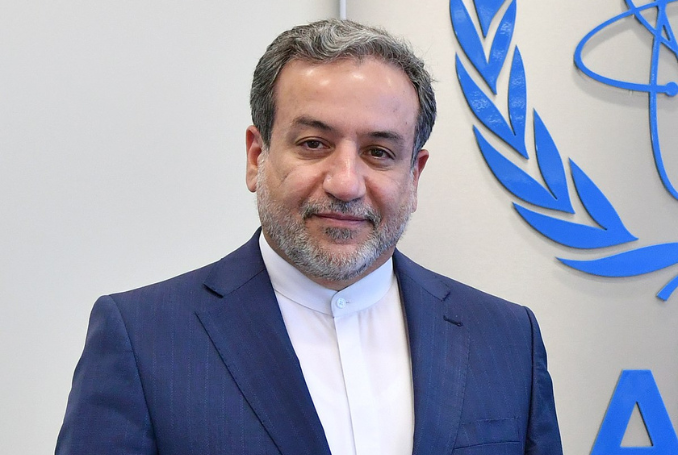
Iran's foreign policy approach in this crisis is defined by a sharp delineation between negotiable and non-negotiable elements. Foreign Minister Abbas Araghchi has unequivocally stated that the country's missile defense systems will "never" be placed on the negotiating table. This position is rooted in Iran's perception of these systems as fundamental to its national sovereignty and defensive posture, especially in a region it views as hostile and unpredictable. The insistence is coupled with a repeated assertion that Iran's nuclear program is entirely peaceful, a claim consistently challenged by the US and its allies who suspect weapons development intentions.
Despite this hardline on military assets, Iranian officials have left the door open for dialogue. Araghchi emphasized the need for preparations for "fair and just negotiations," suggesting that talks are conceivable under the right conditions and framework. This dual-track messaging—absolute on defense, conditional on diplomacy—aims to project strength to domestic audiences and regional rivals while preserving a channel to avoid a full-scale conflict. The strategy seeks to manage escalation without conceding what Iran considers its strategic deterrent capabilities.

US Pressure and the Demand for a Deal
The American posture, as articulated by President Trump, is one of maximum pressure coupled with an offer for negotiation. Trump has publicly stated his belief that Iran wants to secure a deal to prevent US military action, framing American strategy as providing a clear choice. He has outlined two primary US demands for Iran to avoid confrontation: "Number one, no nuclear. And number two, stop killing protesters." These conditions directly link international security concerns with Iran's internal human rights situation, broadening the scope of any potential negotiations beyond purely military or nuclear issues.
This pressure is underscored by a tangible military build-up. President Trump referenced a large US naval "Armada" deployed to waters near Iran, noting it "might as well float near Iran." He declined to provide a timeline for its withdrawal, making the naval presence an open-ended instrument of coercion. The military mobilization serves as a backdrop to Trump's warning that time is "running out" for Iran to negotiate a deal on its nuclear program, creating a palpable sense of urgency and threat. The US approach leverages military might, diplomatic demands, and commentary on internal Iranian affairs to compel concessions.
Regional Diplomacy and Internal Unrest
The diplomatic maneuvers extend beyond the US-Iran binary. Iran's security chief, Ali Larijani, recently met with Russian President Vladimir Putin to discuss "Middle Eastern and international issues," as reported by Russian state media. This engagement highlights Iran's efforts to secure support from major powers like Russia, potentially as a counterbalance to American pressure. It also indicates that the crisis is being discussed within broader strategic frameworks involving other global actors with stakes in regional stability.
Simultaneously, the US demand to "stop killing protesters" references a severe internal crisis within Iran. Human rights groups have reported a devastating toll from the government's crackdown on recent unrest. The US-based HRANA agency confirmed over 6,300 killings, while the Norway-based IHR warned the final death toll could exceed 25,000. This internal repression has become a focal point of international condemnation and a specific condition set by the US for de-escalation, intertwining domestic governance with international security negotiations in an unprecedented manner.

Pathways Forward and Conclusion
The path to de-escalation is fraught with obstacles. The fundamental impasse lies in Iran's non-negotiable stance on missile systems clashing with US security objectives in the region. For talks to proceed, either side would need to creatively reframe its demands or find areas of mutual interest outside these core, conflicting positions. Confidence-building measures, perhaps involving third-party verification or regional security dialogues, could provide initial steps. However, the linkage of negotiations to Iran's internal human rights situation adds a layer of complexity that historically proves difficult to resolve diplomatically.
In conclusion, Tehran's declaration that its missile and defense systems are permanently off-limits for negotiation establishes a clear boundary in an already tense standoff with the United States. While both nations express a nominal openness to talks—Iran based on mutual respect, the US based on preconditions—their fundamentally incompatible core positions make a breakthrough challenging. The situation remains volatile, underpinned by a significant US naval presence, severe internal strife in Iran, and diplomatic outreach to other global powers. The coming weeks will test whether pragmatic diplomacy can overcome entrenched red lines or whether the region will edge closer to a military confrontation that both sides claim they wish to avoid.