Read on the Guardian
Starmer's China Visit: A Diplomatic Thaw and the Controversy Over Xi's Potential UK Trip
Prime Minister Keir Starmer's landmark visit to China, the first by a UK PM in eight years, has initiated a significant thaw in bilateral relations. The trip yielded concrete agreements including a visa waiver for British travelers and reduced whisky tariffs, signaling a shift from the previous 'ice age' in diplomacy. However, Starmer's openness to a potential return visit by Chinese President Xi Jinping has sparked immediate backlash from British critics, highlighting the complex political and security challenges that remain.
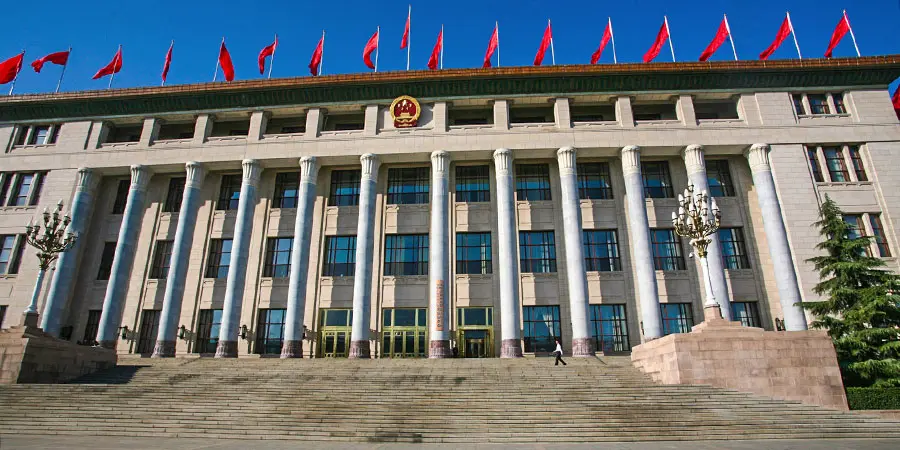
Prime Minister Keir Starmer's recent three-day visit to Beijing marks a pivotal moment in UK-China relations, representing the first such trip by a British leader in nearly a decade. Described by Starmer as ending an "ice age" in diplomacy, the visit aimed to reset a relationship that had grown increasingly hostile under successive Conservative governments. The prime minister's meetings with Chinese President Xi Jinping at the Great Hall of the People have produced tangible economic benefits but have also opened a contentious debate about the future direction of UK foreign policy, particularly regarding the possibility of Xi visiting Britain.

The Diplomatic Breakthrough: Ending the "Ice Age"
Starmer's approach to China represents a marked departure from the previous administration's stance. Where Conservative governments had emphasized security threats and human rights concerns, often leading to diplomatic friction, Starmer has pursued what he calls a "broader, deeper and more sophisticated" relationship. During his talks with Xi, the prime minister emphasized that events abroad directly impact British citizens, from supermarket prices to national security. This pragmatic framing suggests a foreign policy driven by economic necessity and global interconnectedness rather than ideological confrontation.
The Chinese response, while measured, indicated a willingness to engage. President Xi acknowledged the relationship's "twists and turns" over recent years but argued that a more "consistent" approach from Britain would serve both nations' interests. He suggested that leaders who "rise above differences" and "press ahead" despite difficulties would "stand the test of history." This language, while diplomatic, contained a subtle critique of the inconsistency that had characterized UK-China relations under the Conservatives.
Concrete Outcomes and Economic Agreements
The most immediate results of Starmer's visit are economic. China has agreed to implement a visa waiver for British tourists and business travelers, eliminating the previous 30-day limit and bringing the UK in line with 50 other countries. This change is expected to significantly boost tourism and business exchanges between the two nations. Additionally, Beijing has committed to halving its tariff on Scotch whisky imports from 10% to 5%, a move estimated to benefit the Scottish whisky industry by approximately £250 million over five years. Given that China is Scotland's tenth-largest whisky market, this concession carries substantial economic weight.

Beyond these specific measures, the two countries signed multiple agreements on closer economic cooperation, including provisions to make it easier for British firms to operate in China. A notable example is pharmaceutical giant AstraZeneca's £10.8 billion investment in its Chinese operations, facilitated by the improved diplomatic climate. These developments suggest Starmer is prioritizing tangible economic benefits for British businesses and workers as he seeks to "make Britain face outwards again," a promise he made during his election campaign.
The Xi Jinping Visit Controversy
Perhaps the most controversial aspect of Starmer's diplomatic overture is his openness to a potential UK visit by President Xi Jinping. When asked about this possibility, Starmer's official spokesperson stated that a reset relationship with China "is beneficial to British people and British business," and indicated the Beijing trip was not a "one and done" summit. This suggestion has drawn immediate and fierce criticism from British politicians who remain sanctioned by China.
In 2021, China imposed sanctions on nine British individuals, including five Conservative MPs and two peers, in retaliation for UK measures concerning human rights abuses against the Uyghur people. Among those sanctioned is Tim Loughton, a former Tory minister, who stated that offering Xi a visit would be a "definite red line" while sanctions remain in place. Another sanctioned politician, Neil O'Brien, questioned the logic of inviting Xi when the Chinese ambassador is already banned from Parliament due to espionage concerns. Commons Speaker Lindsay Hoyle has explicitly stated that Xi would be barred from addressing Parliament while sanctions against MPs remain, declaring, "I'm the guardian of MPs. I'm there to protect them from sanctions."
Security Concerns and Human Rights
Despite the economic rapprochement, security issues continue to shadow the relationship. Starmer acknowledged these concerns before his trip, stating the UK would remain "clear-eyed and realistic" about national security threats from China, referencing Beijing's espionage activities in Britain. During his talks with Xi, Starmer reportedly raised human rights issues "respectfully," including the detention of Hong Kong pro-democracy activist Jimmy Lai and the persecution of Uyghurs. However, Downing Street has refused to disclose whether Starmer pressed China to restrain Russia regarding the Ukraine war, despite the prime minister speaking with Ukrainian President Volodymyr Zelenskyy on the eve of his China visit.
The political landscape is further complicated by international reactions. Former US President Donald Trump, when asked about Britain "getting into business" with China, called it "very dangerous." He had previously threatened 100% tariffs on Canadian imports when that country's prime minister secured trade deals with Beijing. This highlights the delicate balancing act Starmer must perform between pursuing UK economic interests and maintaining relationships with traditional allies who view China with increasing suspicion.
Conclusion: A Calculated Risk
Keir Starmer's China visit represents a calculated gamble to thaw frozen relations and secure economic advantages for Britain. The visa waiver, reduced tariffs, and investment agreements deliver immediate, measurable benefits. However, the potential invitation to Xi Jinping exposes deep political fractures and unresolved issues, particularly regarding human rights sanctions and security concerns. Starmer's challenge will be to maintain this "reset" relationship while navigating domestic criticism and international pressure. As the prime minister seeks to position Britain as a globally engaged nation, his China policy will likely remain one of the most scrutinized and controversial aspects of his foreign policy agenda. The success of this diplomatic thaw will ultimately depend on whether the economic benefits can outweigh the significant political and ethical costs.