Read on bbc.com
Minneapolis Reels from Federal Agent Shootings: Community Anger and Political Tensions Escalate
The city of Minneapolis is grappling with anger and grief following two fatal shootings of US citizens by federal immigration agents in recent weeks. The deaths of Alex Pretti and Renee Nicole Good have sparked protests, vigils, and intense political debate, placing the city at the forefront of the national immigration enforcement conversation. Community members express exhaustion and fear as federal operations continue, while state officials demand the withdrawal of agents. This article examines the events, the conflicting accounts, and the broader implications for community safety and federal authority.
The city of Minneapolis finds itself in a state of profound unrest and mourning, transformed into a national flashpoint over immigration enforcement after two US citizens were shot dead by federal agents in separate incidents within weeks. These events have ignited community anger, sparked sustained protests, and intensified the political clash between local Minnesota leadership and the federal administration. The shootings have raised critical questions about the scope, conduct, and human cost of large-scale federal operations in American cities.

Local institutions like the historic Calvary Baptist Church have become impromptu sanctuaries and centers for community support. In the biting cold, volunteers handed out essentials, providing a physical and emotional haven for residents reeling from the violence just blocks away. "This is what America is now," remarked church administrator Dean Caldwell-Tautges, capturing a sense of national crisis felt at the local level. The emotional toll on these "helpers" is significant, with volunteer Ann Hotz noting the collective exhaustion and the urgent need for change.
The Shootings: Conflicting Narratives and Community Trauma
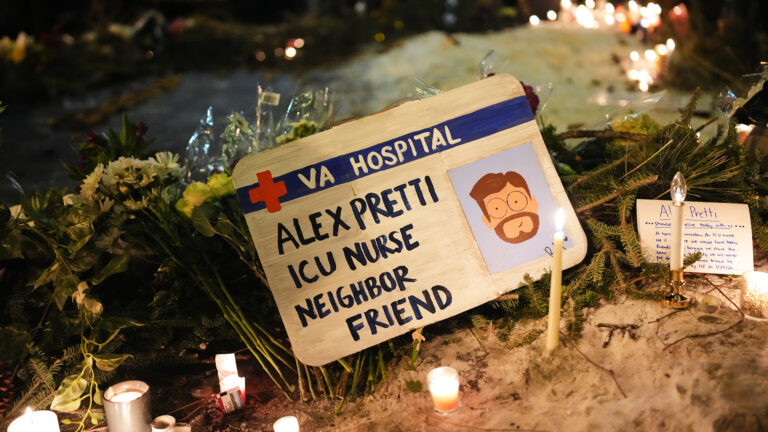
The most recent incident claimed the life of Alex Pretti, an intensive care nurse, during a confrontation with Immigration and Customs Enforcement (ICE) agents. According to a Department of Homeland Security statement, agents fired in self-defense, alleging Pretti was armed with a handgun. This account has been vehemently challenged by eyewitnesses, local officials, and Pretti's family, who assert he was holding a phone, not a weapon. His parents have accused the administration of spreading "sickening lies."
This tragedy followed the January 7th shooting of Minnesota resident Renee Nicole Good by an ICE agent. The rapid dissemination of video footage from both events on social media has fueled public outrage and drawn national attention to the ongoing federal operation in the city.

Political Fault Lines and the Federal Operation
The situation has exposed deep political divisions. The operation was initiated by an order from President Donald Trump in December, deploying thousands of federal agents to the Democrat-held state as part of a pledged "massive deportation" of undocumented migrants—a cornerstone of his re-election platform. The administration frames the action as a public safety mission targeting criminals. However, critics warn the net is cast too wide, potentially ensnaring migrants without records and, as these shootings demonstrate, US citizens.
In response, Minnesota's political leadership has unified in opposition. Governor Tim Walz has urgently called for the immediate withdrawal of all federal agents, stating, "We believe that Trump needs to pull his 3,000 untrained agents out of Minnesota before they kill another American in the street." This demand has been echoed by other state and local officials, creating a standoff between state and federal authority.
Community Response: Grief, Protest, and Exhaustion
The community's response has been a powerful mix of sorrow and defiance. Vigils and memorials have sprung up, with residents gathering at all hours to honor Pretti's life. Signs with messages like "stop killing us" poignantly express the depth of local fear and anger. For lifelong residents like 69-year-old Pege Miller, the events are incomprehensible. "We're on tenterhooks," she said. "We don't know what's going to happen next."
Protests have grown in size and intensity. An impromptu downtown rally saw hundreds chanting "No more Minnesota nice, Minneapolis will strike." Protesters like Felix Johnson, motivated by earlier videos of disturbing detainments, held signs reading "ICE out" and voiced frustration over citizens being "treated like they're animals." The presence of veterans at protests, with signs declaring "Veterans Against ICE," underscores how these actions are perceived as a betrayal of American ideals, with one veteran calling the situation "horrifying" and the opposite of promoting freedom.

National Context and Public Opinion
While local sentiment in Minneapolis appears largely opposed to the ICE operations, the national picture is more divided. Several polls indicate about half of voters nationwide support President Trump's broader efforts to deport those living in the US illegally. However, other polling, such as one by Politico, suggests Americans are split on the *aggressiveness* of the crackdown, with about half feeling the campaign is too heavy-handed. This dichotomy highlights the tension between broad policy support and concern over specific enforcement tactics seen in Minneapolis.
Conclusion: A City Under Strain and a Nation Watching
The twin tragedies in Minneapolis have catalyzed a crisis that transcends local law enforcement, touching on core issues of federal power, community safety, and immigration policy. The city's residents are caught between grief for their neighbors and anxiety over an ongoing federal presence they perceive as hostile and dangerous. The conflicting narratives from officials and civilians, the political stalemate between the statehouse and the White House, and the exhausted resilience of the community all point to a situation with no immediate resolution. As Minneapolis mourns, it also serves as a potent symbol and battleground in America's deeply polarized debate over immigration, enforcement, and the limits of governmental authority in community spaces.